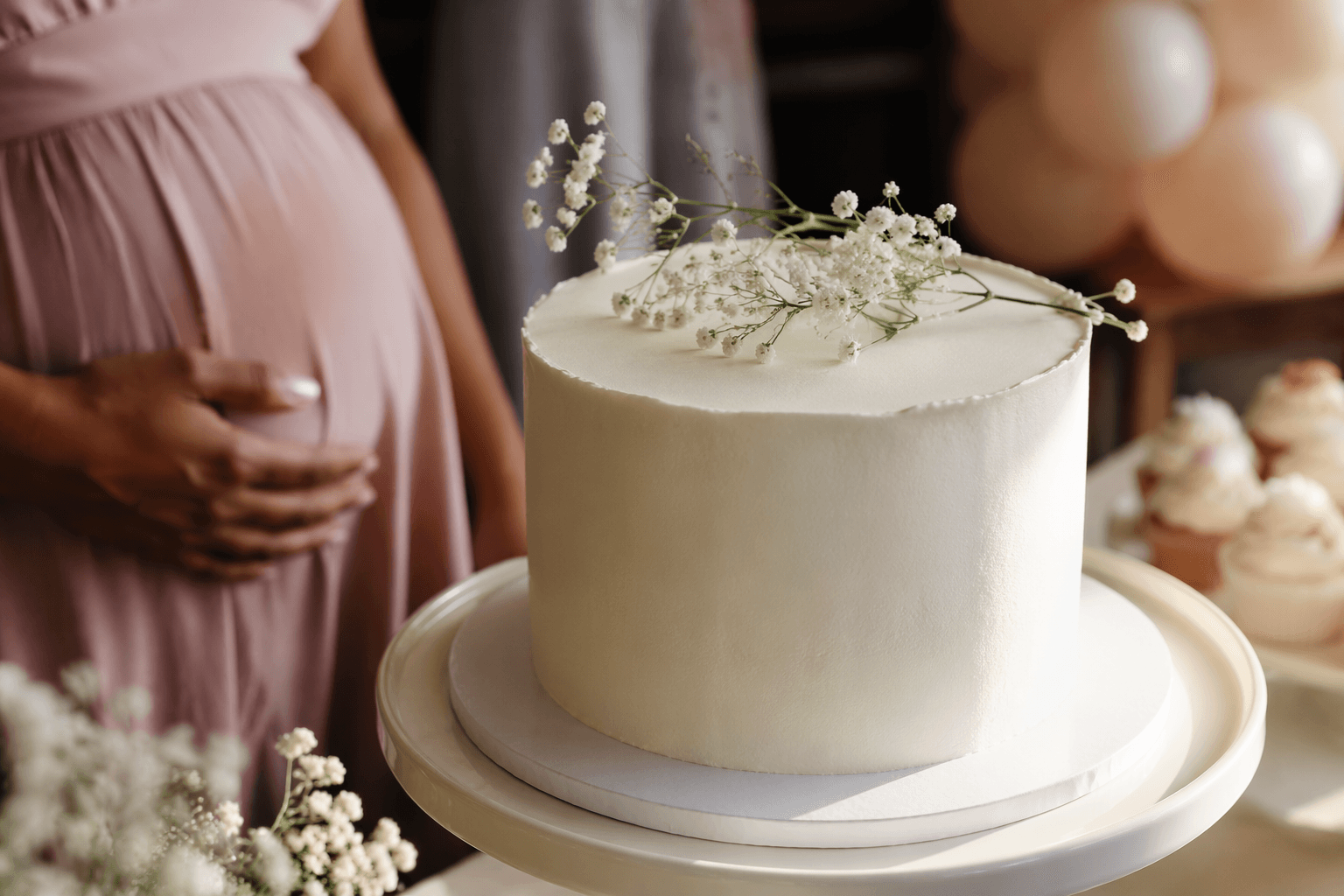
Baby Shower Planning Guide Helps Hosts Manage Every Detail
The real work of a baby shower is invisible: lock the date, venue, gifts, and guest list early, or the “simple” party turns into a scramble.

The hidden workload behind a baby shower
A baby shower only looks effortless after the fact. In practice, it is a small production with guest lists, food, decorations, games, timelines, and gift handling all fighting for attention at once, and the smartest hosts treat it that way from the start. The best parties make the guest of honor feel relaxed, but that ease usually comes from a clear plan, a few helpers, and a timeline that keeps the details from piling up.
The reason this tradition still matters is simple: baby showers have stayed flexible while the culture around them has changed. The Bump traces their rise to the postwar baby boom of the 1940s and 1950s, when family formation and consumer culture made gift-giving showers more common. HISTORY adds the scale behind that era, noting that 3.4 million babies were born in the United States in 1946 and that more than 76 million children were born between 1946 and 1964. That history explains why the shower became such a familiar milestone, but modern hosting looks very different from the old one-host, one-honoree model.
Start with the calendar, not the décor
The first move is choosing a date and time, and that sounds obvious until you start coordinating around work schedules, family obligations, travel, and the guest of honor’s energy level. The Bump puts that decision at the top of the list for good reason: every other choice, from catering to games, depends on it. If the expecting parent is involved in planning, the schedule needs to be comfortable for them too, not just convenient for the host.
This is also where hosts underestimate the hidden labor. A shower for a best friend, sibling, coworker, or parent may seem like a nice gesture, but the logistics can spread fast across several people and several calendars. The cleanest planning process starts with a start-to-finish roadmap, so one person is not trying to remember the venue, the registry, the invitations, and the dessert order all at once.
Pick the format that fits the guest list
Venue choice shapes the whole event, and the tradeoff is usually convenience versus intimacy. The Bump points to hotels and restaurants for a more formal, hassle-free setup, while a park, backyard, or living room can feel warmer and more personal. The right answer depends on the size of the guest list, the budget, and how much work the host wants to absorb before the event starts.
That decision also affects everything downstream. A restaurant cuts down on cleanup, but it may limit your control over timing and decorations. A backyard or living room gives you more room to personalize the party, but it also puts more pressure on the host to manage seating, food, weather backup, and supplies. That is the part people miss when they think a baby shower is just brunch with presents.
Treat gifts like a planning category, not an afterthought
Registry planning should happen much earlier than many hosts expect. The Bump says parents can start building a registry at any point, but ideally toward the end of the first trimester, which gives everyone a better shot at making gift choices before the shower starts coming together. That timing matters because the registry shapes the gift mix, the thank-you notes, and even some of the conversation around the party.
Modern etiquette has also widened the frame beyond the traditional guest of honor. TODAY notes that if both parents are mentioned on the invitation, cards should be addressed to both of them, and that detail matters more than people think because it signals who the celebration is really for. It is a small point with a big effect: it helps keep the shower from feeling dated, and it keeps hosts from guessing wrong about how formal or inclusive the event should be.

Build around the kind of shower people actually throw now
The baby shower has diversified, and the planning should reflect that. Today’s etiquette coverage includes co-ed showers, display showers, grandparent showers, and virtual showers, which means hosts need to decide early what kind of gathering they are actually building. The old assumption that only one person hosts and only one parent is centered is fading fast, and the planning process is better when it reflects that reality.
Display showers are especially useful when the goal is to reduce the work of opening gifts during the party and make more time for socializing. That format changes the rhythm of the event in a practical way, not just a stylistic one. If the guest list is large, or if the host wants the shower to feel more conversational than ceremonial, a display setup can save a lot of time and keep the room moving.
Use a real roadmap, not wishful thinking
This is where the guide’s most useful advice lives: build the shower like a project. The full workload is usually bigger than it first appears, and The Bump specifically warns that planning can be more extensive than many people anticipate. That is exactly why a checklist mindset helps, because once the date and venue are set, the rest of the work becomes a series of smaller, manageable decisions instead of one giant scramble.
- Guest list and invitations
- Date, time, and location
- Registry timing and gift coordination
- Food, drinks, and desserts
- Decorations and setup
- Games or social activities
- Gift opening, if the format includes it
- Cleanup and thank-you note follow-through
A practical roadmap should cover the pieces that trip people up most often:
The hosts who stay calm are usually the ones who decide early what not to do. A polished baby shower does not need every trend, every game, or every extra touch. It needs a budget that matches the venue, a timeline that respects the guest of honor, and enough coordination that no one is stuck improvising in the final hour.
Why the best showers feel easy
A good baby shower should feel personal, not overloaded. That is why the modern version works best when several helpers share the load and the expecting parent’s preferences are built into the plan from the beginning. The point is not to stage a perfect event; it is to create a warm, organized celebration that does not exhaust the people throwing it.
That is the real value of a start-to-finish planning guide. It turns a party that could easily become a last-minute headache into something calmer, more thoughtful, and more useful to everyone involved. The best baby showers still look relaxed from the outside, but behind the scenes they run on the same thing every good event does: clear choices made early, before the tiny details have a chance to take over.
This article was produced by Prism’s automated news system from verified source data, official records, and press releases, then run through automated quality and moderation checks before publishing. The system is built and supervised by the people who set the standards it runs under. Read our full AI policy.
Did this article answer your question?