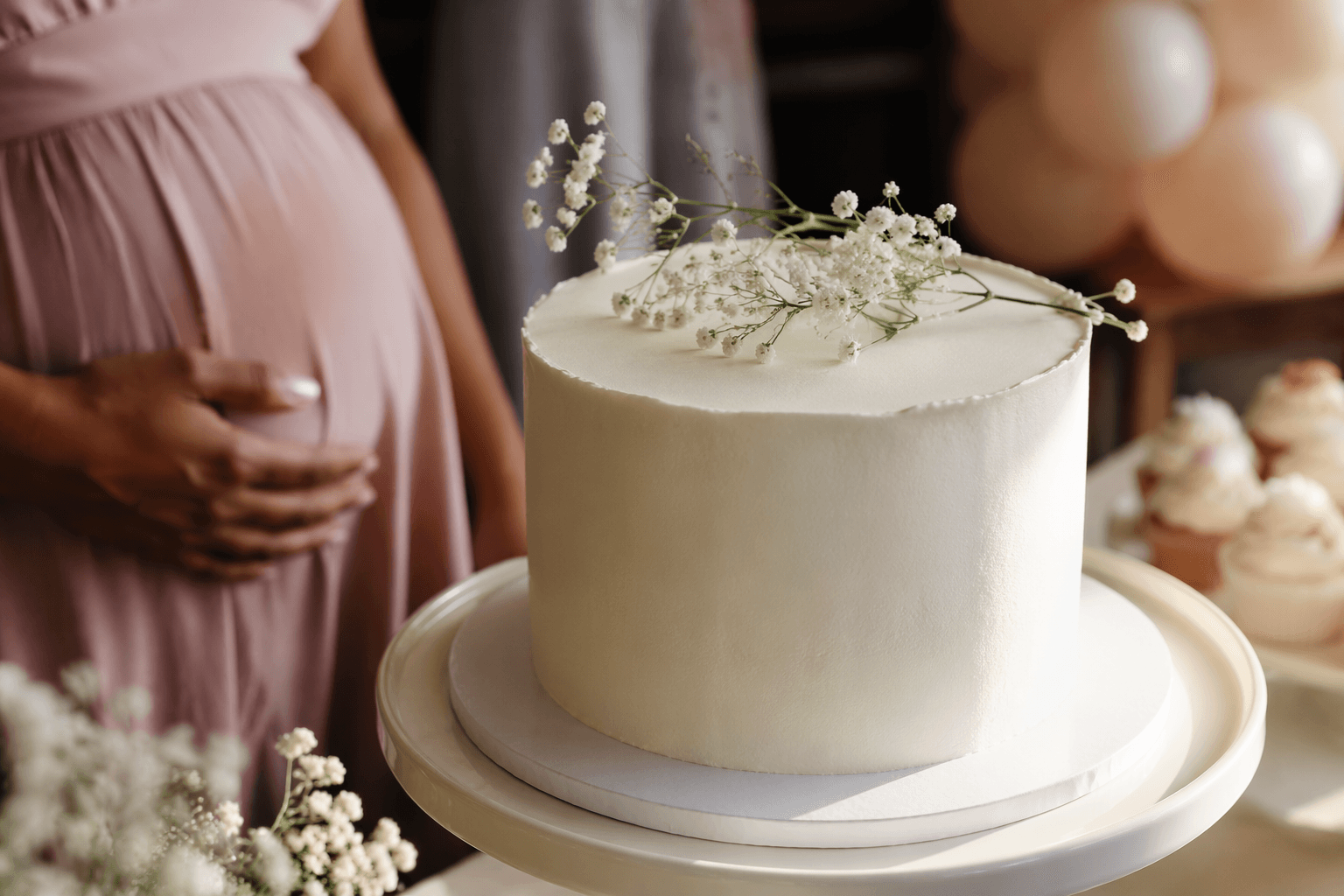
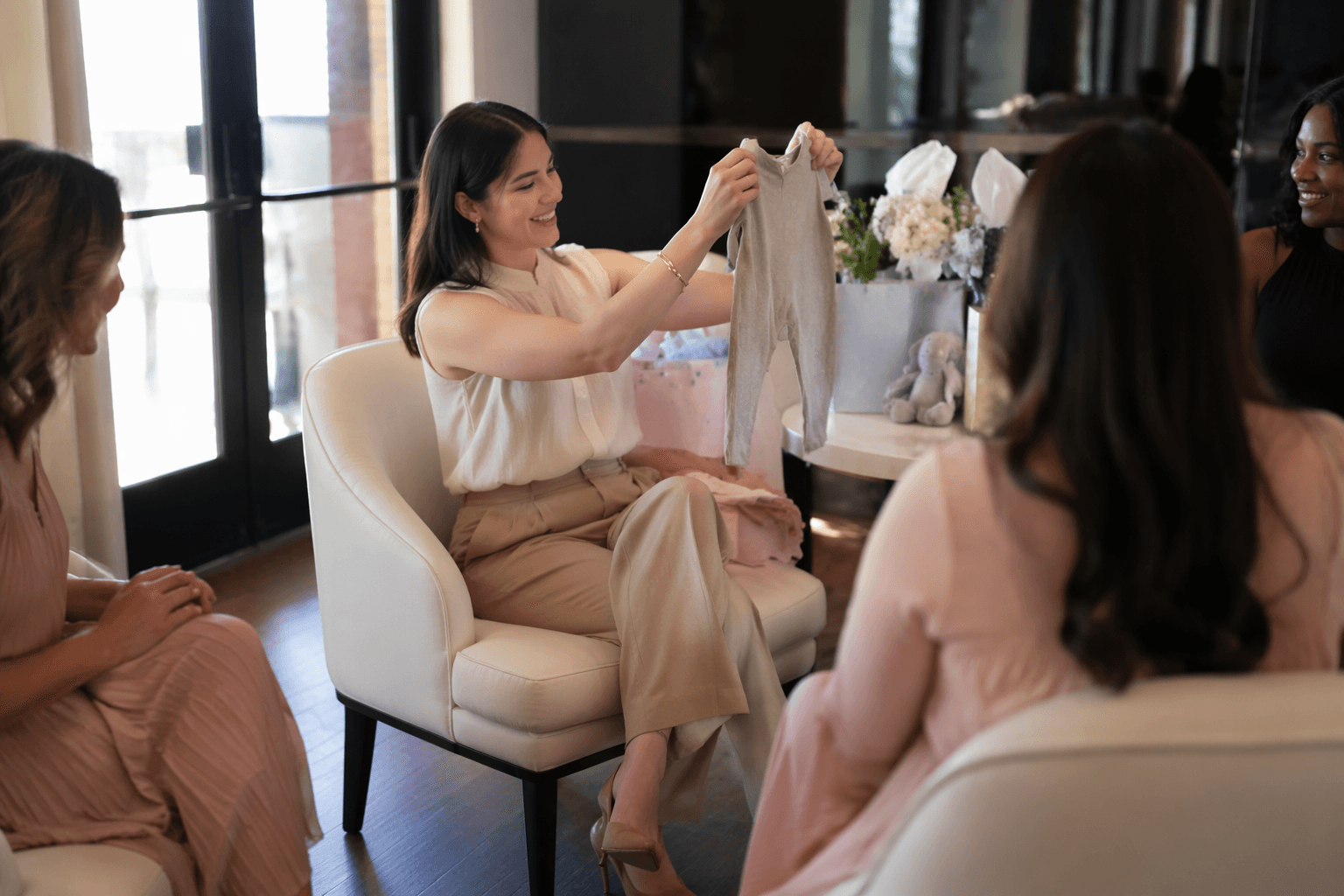
Seasonal baby shower food ideas turn menus into party decor
Seasonal menus do more than feed a shower. They set the budget, pace, and mood, while making a two-hour party feel polished without extra stress.
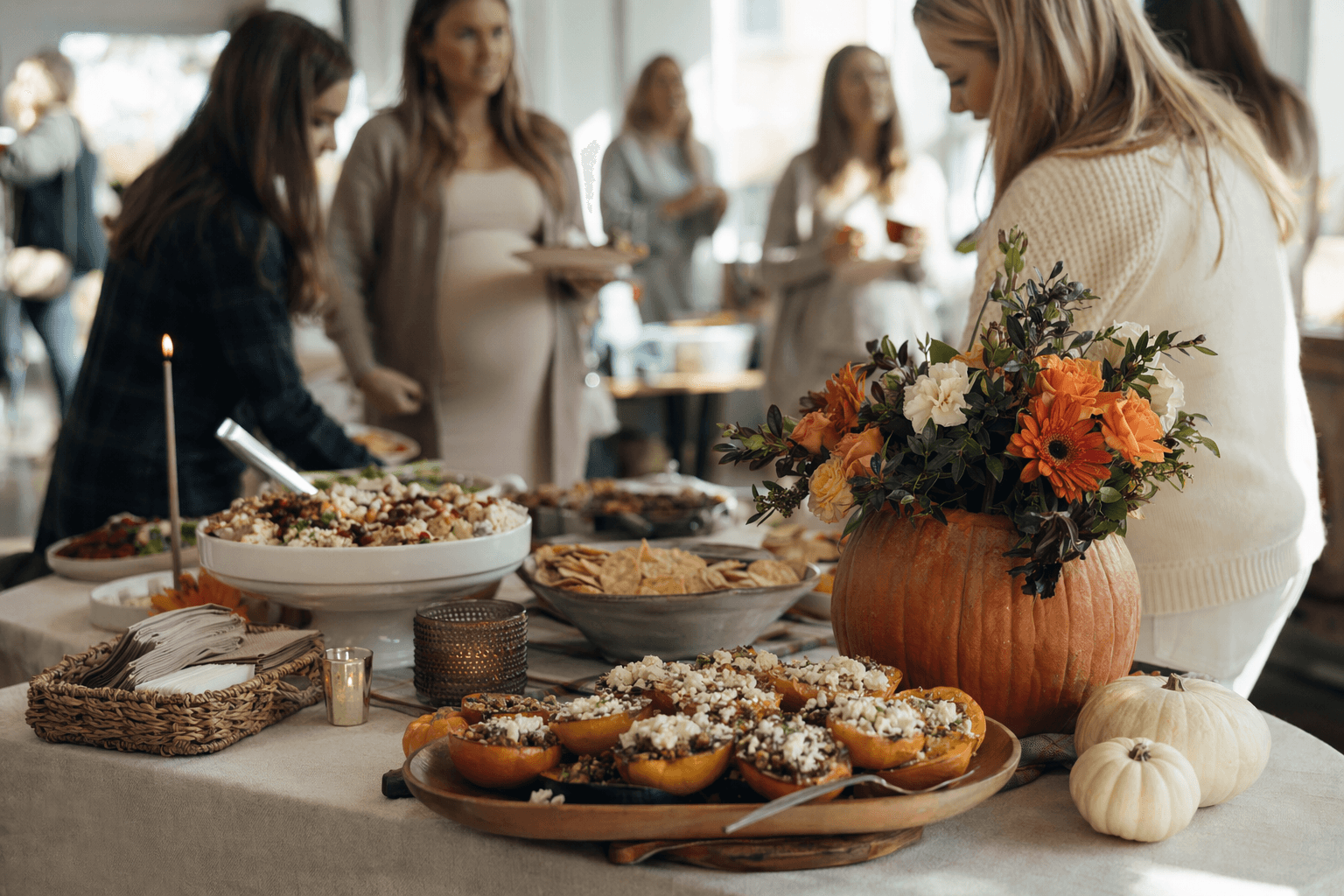
Food is the design language of the shower
A baby shower menu does far more than fill plates. In the best-planned rooms, it sets the pace of the party, gives the table its color story, and keeps guests comfortable through a two- to three-hour event where the meal and gift opening usually take up most of the time. That is why MommyShely’s food guide treats the menu as part of the decor, not a side task.
The smartest takeaway is simple: match the food to the season, the theme, and the way the shower will actually run. A brunch spread, an afternoon buffet, and a casual dessert-only gathering all create very different expectations, and the menu has to do real work in each of them.
Let the season shape the scene
MommyShely’s examples work because they make the food feel like an extension of the room. A fall shower can lean into pumpkin pie, warm soup, and apple cider with cinnamon sticks, which instantly reads as cozy and practical at the same time. A winter shower can do the same thing with a hot cocoa bar, snowflake cookies, and white chocolate-dipped pretzels, giving the table a clear visual identity without requiring complicated service.
That seasonal approach is especially effective because it turns the menu into storytelling. A Winnie the Pooh shower can run with honey cupcakes and piggies in a blanket, which is playful without feeling childish. A Baby in Bloom or garden-party shower can use fruit skewers, edible flower salads, and lemonade with floral ice cubes, which makes the food itself part of the floral decor. In each case, the menu does double duty: it feeds guests and reinforces the theme.
Build around the time of day, not just the theme
The Bump’s planning guidance makes a useful point that too many hosts ignore: food should fit the time of day. Morning or early-afternoon showers naturally lean brunch-style, while late-afternoon or evening events can move toward lunch or dinner foods. That matters because the wrong menu can make a party feel underfed or unnecessarily heavy.
The Bump also says food should be chosen with the budget, guest list, and theme in mind, which is where practical hosting starts to beat aspirational planning. A light brunch buffet for a smaller guest list can feel elegant and generous without costing as much as a full dinner spread. A larger evening event may need more substantial sandwiches, wraps, or warm mains to keep everyone comfortable through the opening of gifts and the rest of the program.
Portion control keeps the party calm
The most useful part of a food-first plan is not the cute garnish. It is knowing how much to make. MommyShely’s guide gives a simple rule of thumb for portion planning across finger foods, salads, sandwiches or wraps, and warm mains, which helps hosts avoid the two classic mistakes: running out too early or drowning in leftovers.
That structure is practical because it lets you scale the menu without overcomplicating the prep. Finger foods work well when the shower is more snack-focused. Salads can round out a brunch or lunch table. Sandwiches and wraps are easy to serve, easy to hold, and easy to portion. Warm mains make sense when the event stretches later in the day or when you want the menu to carry the party instead of just supporting it.

The guide also makes a blunt but important point: even if the shower is not a full meal, offer something to eat. Guests can handle a lighter spread, but they should never be left guessing whether the party includes food at all.
Say what kind of event it is, right on the invitation
Clarity is part of hospitality, and baby-shower invitations are where that starts. If the plan is cake and punch only, say so. That suggestion shows up for a reason, because hosts clearly worry about how to word dessert-only showers, and guests do pay attention to whether they are arriving for a full meal or a smaller celebration.
The Bump’s invitation guidance reinforces the same idea: include the essential facts so guests know what to expect. That matters even more when the menu is tied so closely to the rhythm of the shower. If the event is short, simple, and built around cake, punch, and gift opening, the invitation should make that plain. If the party includes brunch, lunch, or a buffet, say that too. A well-worded invite saves the host from awkward questions later and helps guests plan the right expectations from the start.
Timing, etiquette, and who actually hosts
The broader planning context explains why these menu choices matter. The Bump says baby showers became popular during the postwar baby boom of the 1940s and 1950s, and the modern version is much less rigid than the old etiquette rulebook. Hosts are no longer limited to a narrow category of non-family members, and The Bump’s checklist says there is no single perfect way to host a shower. The format and venue should fit what works best for the family.
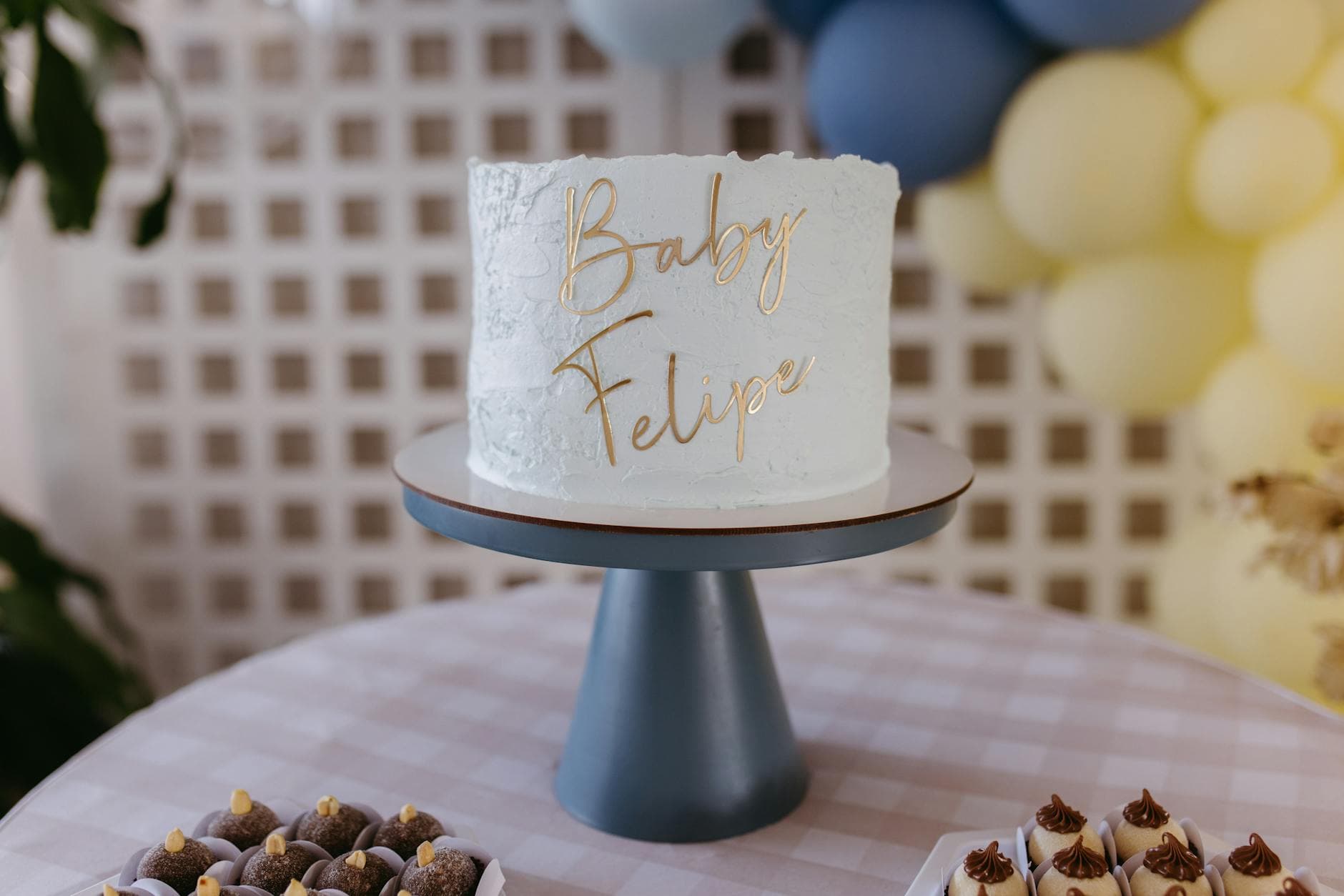
Timing matters too. The Bump recommends hosting when the expectant parent is 28 to 35 weeks pregnant, and Spoon & Sip notes that showers are typically planned four to six weeks before the due date. Spoon & Sip also says physical invitations are often preferred and should be mailed four to six weeks before the event. Put together, those details point to a narrow window where menu planning, invite wording, and guest expectations all need to line up cleanly.
That is exactly why food planning has become more flexible and more thoughtful. Morning showers can feel like polished brunches. Afternoon events can lean into easy buffet service. Evening gatherings can behave more like a dinner party. The more the menu reflects the real shape of the event, the less work the host has to do during it.
The menu should carry the room, not just feed it
The strongest baby-shower menus are the ones that look intentional from the first platter to the last cookie. They work within a budget, match the season, fit the timing, and tell guests what kind of celebration they are walking into. That is why seasonal food ideas have become so effective: they make the table look styled without adding more stress to the host.
When the food is planned with portions, pacing, and clarity in mind, the shower feels smoother for everyone. The decor does not just hang on the walls or sit in the centerpieces. It comes out of the oven, lands on the buffet, and tells the whole room how the party should feel.
This article was produced by Prism’s automated news system from verified source data, official records, and press releases, then run through automated quality and moderation checks before publishing. The system is built and supervised by the people who set the standards it runs under. Read our full AI policy.
Did this article answer your question?