Modern Baby Showers Move Toward Activities, Shorter, More Social Formats
Baby showers work better when they stop feeling like a gift parade and start acting like a real party: shorter, hands-on, and easier on everyone.
The best baby showers now feel like parties, not performances
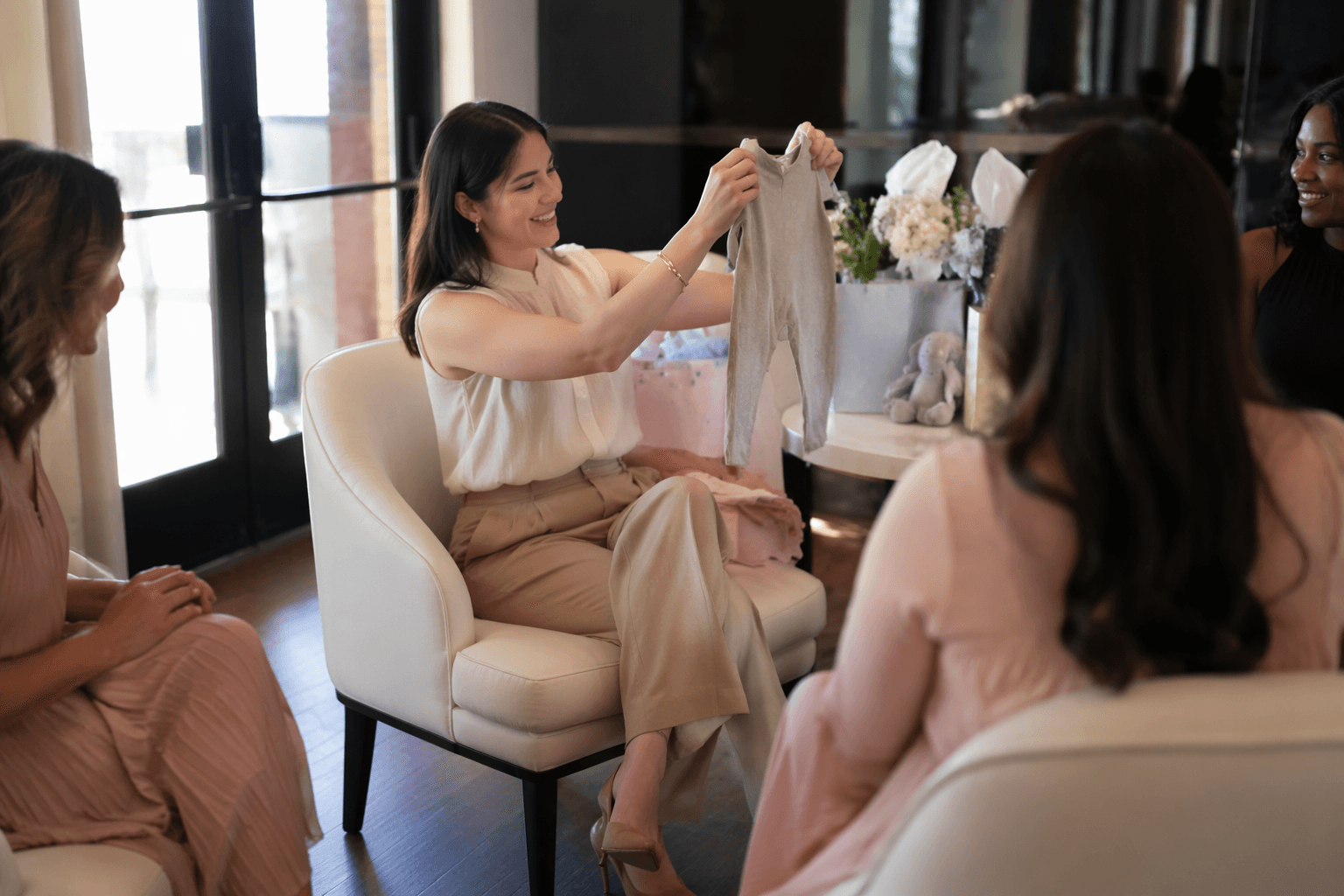
The old version of the baby shower has a problem: it can run long, go quiet, and put everyone in the awkward position of watching a parent-to-be open gift after gift. The modern fix is simple and, frankly, overdue. Make the event shorter, build it around participation, and give guests something to do besides sit politely and clap.
That shift matters because a shower is still a rite of passage, just one that has outgrown its stiffest habits. Britannica places baby showers within the much older tradition of life-cycle ceremonies, the ceremonial markers that appear across historically known societies. The form can change without losing its point. In practice, that means the celebration can stay meaningful while becoming more social, less formal, and far less draining.
Keep the clock tight
The cleanest rule in this redesign is runtime. A baby shower should land in the two- to three-hour range, which is long enough to gather people, eat, mingle, and run a few activities without dragging the room into fatigue. That time limit solves one of the most common complaints about traditional showers: the event lingers just long enough for energy to sag and for guests to start checking the time.
A shorter shower also changes the host’s job. Instead of managing a marathon, the host is curating a compact experience with a beginning, middle, and end. Guests get a clear, manageable window, and the parents-to-be are not left carrying the pressure of an all-afternoon performance.
Build the shower around movement, not passive watching
The strongest modern showers are activity-based, not gift-centered. HGTV’s baby-shower ideas lean into that same principle with advice cards, photo booths, name reveals, and DIY stations, all of which pull guests into the action instead of leaving them on the sidelines. HGTV is also explicit that games should help people mingle and talk, which is exactly the right goal for a room full of relatives, coworkers, friends, and neighbors who may not know one another well.
The Bump makes the same case in plainer language: baby-shower games can create lasting memories and conversation. That is the standard worth chasing. A good shower should produce moments people actually remember, not just a pile of wrapped boxes and a blur of small talk.
Practical formats that fit that idea include:
- Build-a-Book station: ask each guest to bring a children’s book and write a note inside. It is personal, useful, and more memorable than another decorative favor.
- Parent Survival Kit game: this works because it feels collaborative instead of corny. Guests contribute useful items or suggestions that the parents will genuinely reach for later.
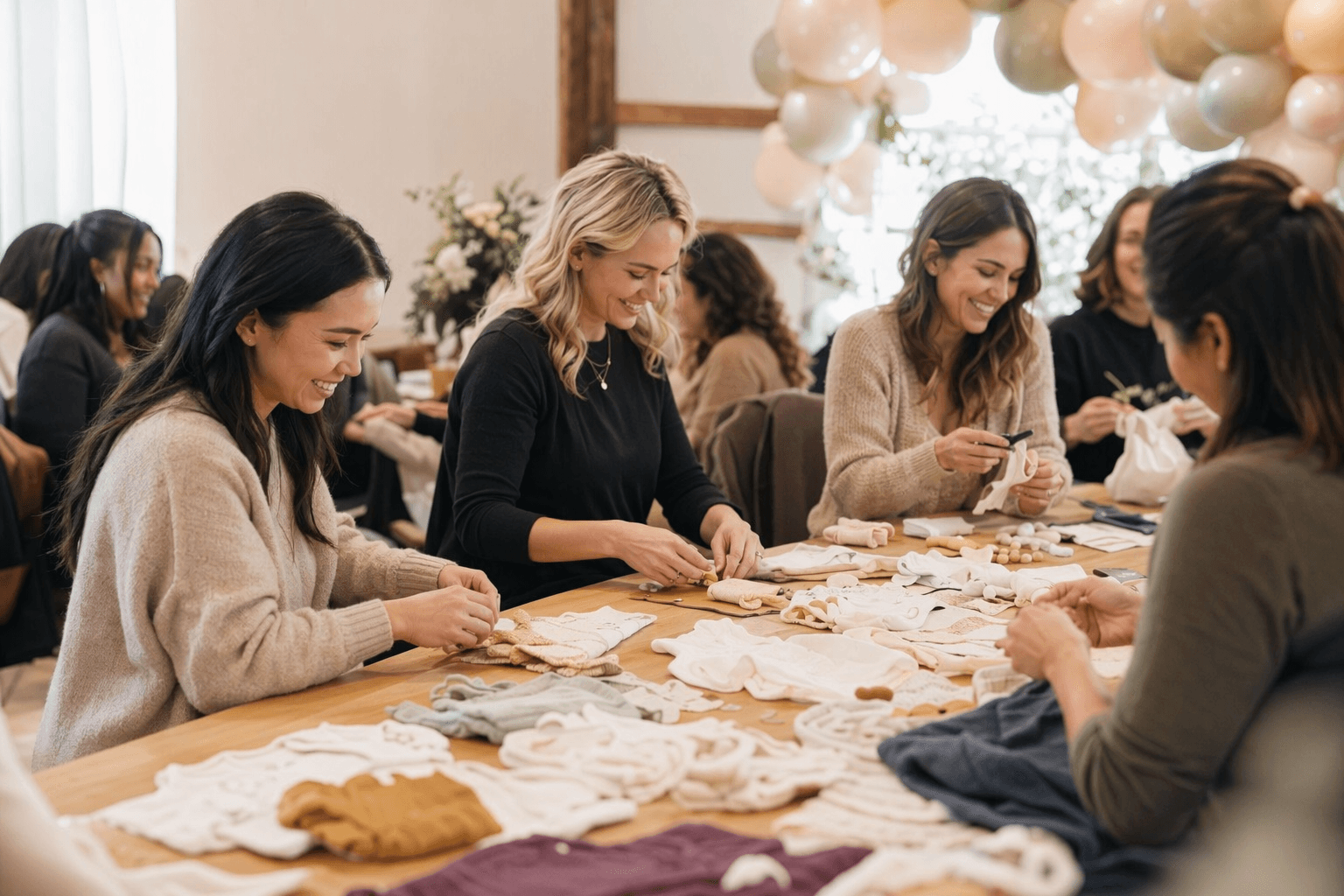
- Onesie-decorating bar: HGTV’s DIY onesie station captures the appeal perfectly. It is part activity, part keepsake, and it gives even shy guests an easy entry point.
- Advice cards and photo-ops: both are low-pressure and easy to run. They create keepsakes without forcing the whole room through a scripted game show.
These formats work because they turn the shower into a shared project. People talk while they make things, and that is usually where the best energy comes from.
Use food as the social engine
If a shower is going to feel like a real gathering, the menu should help carry the room. The modern answer is brunch or a casual cookout, not a formal sit-down schedule with too many pauses. A mimosa bar, plus a pancake or waffle station, gives the event a relaxed center of gravity and encourages people to move around instead of waiting for the next announcement.
The same logic applies to a baby-q or backyard barbecue. HGTV explicitly recommends a family-friendly baby-q style shower, and that idea has real staying power because it removes a lot of the stiffness that makes old-school showers feel dated. Add a pool, a grill, or just a backyard setup with easy seating, and the event stops feeling like a presentation and starts feeling like a party people would actually choose to attend.
Food matters here for another reason: it buys social ease. Guests who might feel awkward in a formal gift-opening setting usually loosen up around a buffet, a brunch spread, or a barbecue line. That makes conversation easier and gives the host something practical to anchor the event around.
Open the door to co-ed and casual formats
One of the clearest signs of change is the move toward co-ed showers. The Bump now treats co-ed baby-shower games as a standard planning category, which says a lot about how normal mixed guest lists have become. That inclusion changes the tone immediately. The shower becomes less like a niche ritual for one side of the family and more like a broader social event that can fit different ages and personalities.
Venue choice follows the same logic. The Bump’s planning checklist says there is no single perfect way to do a shower, and that is the right posture. A host can choose a hotel or restaurant for a more formal feel, or lean into a backyard, park, or living-room setting for something more intimate. The best choice depends on the crowd, the budget, and how much structure the host wants to manage.
That flexibility is exactly what modern planning should look like. A shower does not need to prove anything by being elaborate. It needs to be comfortable, inclusive, and easy to enter.
Why this version works better for everyone
This redesign is not just about aesthetics. It solves real social friction. Pew Research Center found in its 2023 survey that many U.S. parents say parenting is harder than they expected, and that it can be tiring and stressful. That backdrop helps explain why pre-baby celebrations that feel light, easy, and genuinely fun are landing better. When the period ahead is already demanding, the celebration around it should not feel like another obligation.
The old gift-heavy shower reflected a different cultural moment. Some secondary histories place the modern U.S. baby shower’s documentation in the postwar 1940s and 1950s, when showers became more common and more centered on gifts. Today’s version is moving in the opposite direction. It is less about watching packages come off a table and more about building a room where people interact, laugh, eat, and leave feeling included.
That is the practical lesson for planners: keep it short, give people a task, serve food that encourages movement, and choose a format that matches the crowd instead of forcing everyone through the same ritual. The best baby shower now looks less like a ceremony you endure and more like a social gathering people are happy to stay for.
This article was produced by Prism’s automated news system from verified source data, official records, and press releases, then run through automated quality and moderation checks before publishing. The system is built and supervised by the people who set the standards it runs under. Read our full AI policy.
Did this article answer your question?