New drug may preserve muscle during GLP-1 weight loss
A phase 2 study found apitegromab preserved 54.9% more lean mass during tirzepatide weight loss, sharpening the case for strength work in GLP-1 clients.
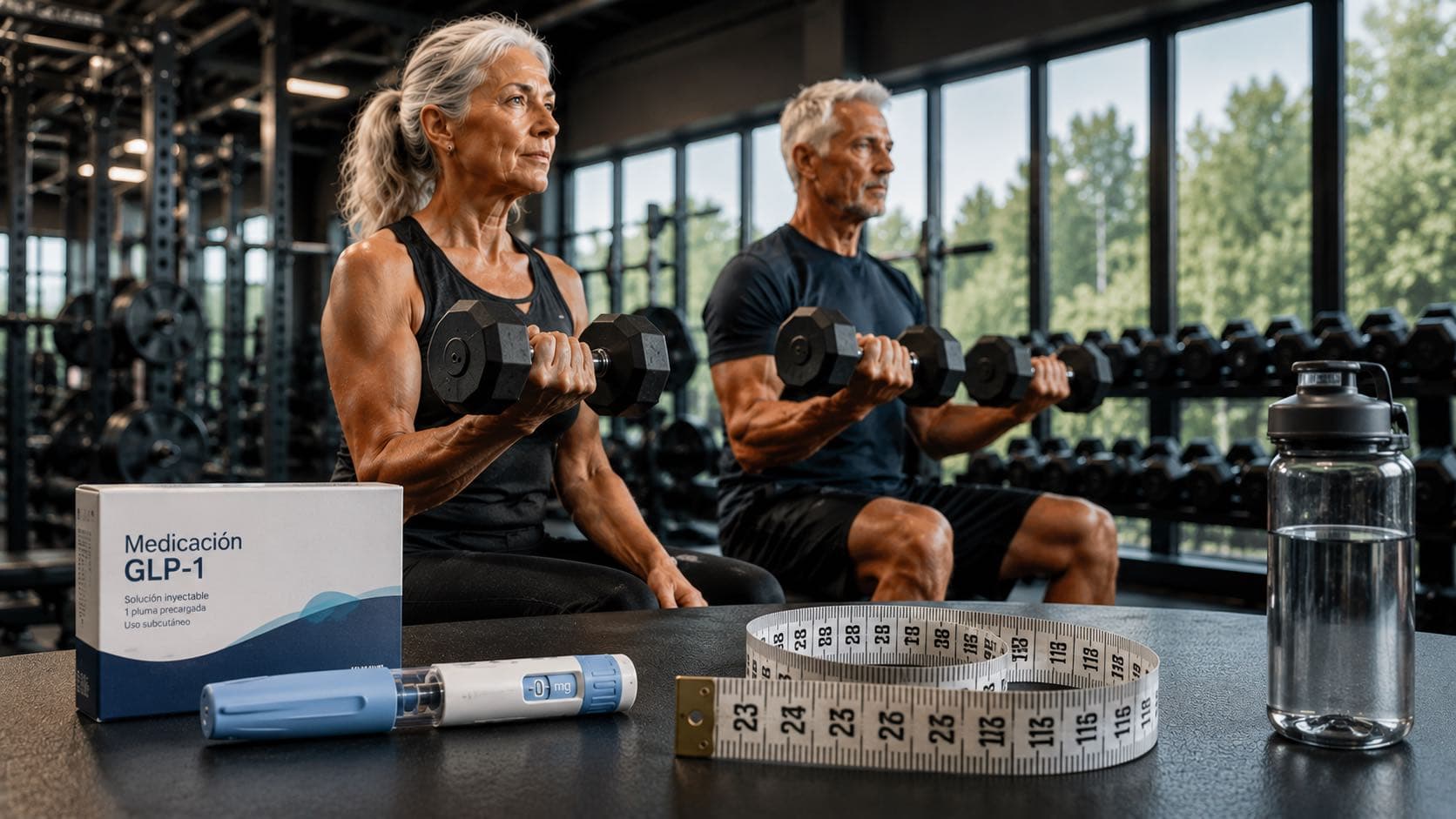
The GLP-1 boom is changing the weight-loss conversation on the gym floor. A phase 2 study found that an experimental muscle-preserving drug, apitegromab, helped people lose weight on tirzepatide without giving up as much lean mass, a result that matters to clubs, trainers and anyone selling outcomes beyond the number on the scale.
The randomized, double-blind, placebo-controlled EMBRAZE trial followed 102 adults with overweight or obesity for 24 weeks. Participants received tirzepatide plus apitegromab or tirzepatide plus placebo. The drug is designed to block myostatin, a protein involved in skeletal muscle breakdown. By the end of the study, total weight loss was similar in both groups, but the apitegromab group had lost 1.9 kg less lean mass, equal to 54.9% greater lean-mass retention. The body-composition split also tilted in a useful direction: 85% fat mass and 15% lean mass in the apitegromab arm, versus 70% fat mass and 30% lean mass with placebo. Scholar Rock, which sponsored the trial, said the results showed proof of concept and that apitegromab was generally well tolerated.

That distinction matters because losing too much muscle is not a cosmetic problem. It can erode strength, mobility and metabolic health, especially in older people and inactive members who are already at higher risk of fading out of a weight-loss program once the scale starts moving. For Barcelona operators, that means the real opportunity is not just selling slimmer waists. It is building a service model that keeps clients functional while they lose weight.
Barcelona already has the market depth to support that shift. One city gym guide puts the local tally at more than 200 gyms, with monthly prices ranging roughly from €25 to €140. In a city that competitive, the clubs that win on GLP-1 clients will not be the ones that only promise weight loss. They will be the ones that can point to strength programming, body-composition tracking, recovery work and nutrition guidance that make the drug-assisted cut look better and last longer.
The broader research base backs that direction. A 2025 BMJ Nutrition paper said GLP-1 receptor agonist weight loss can involve about 25% to 40% lean-mass loss. A Nature Comment warned that rapid GLP-1-associated weight loss can come at the cost of skeletal muscle and may undermine functional outcomes, while a Frontiers review said the drugs are highly effective and can outperform diet-and-exercise interventions alone. Industry is already reacting: by March 2026, 17 fitness clubs and 10 solution providers had taken concrete action in the GLP-1 space. For Barcelona, the message is clear: muscle maintenance is becoming part of the product.
This article was produced by Prism’s automated news system from verified source data, official records, and press releases, then run through automated quality and moderation checks before publishing. The system is built and supervised by the people who set the standards it runs under. Read our full AI policy.
Know something we missed? Have a correction or additional information?
Submit a Tip