Adamo Foods wins €10 million grant to scale whole-cut mycelium meats
Adamo Foods secured a €10 million EU-backed push to turn fungi into steak, a bigger bet on whole-cut texture than the burger-and-nugget lane.
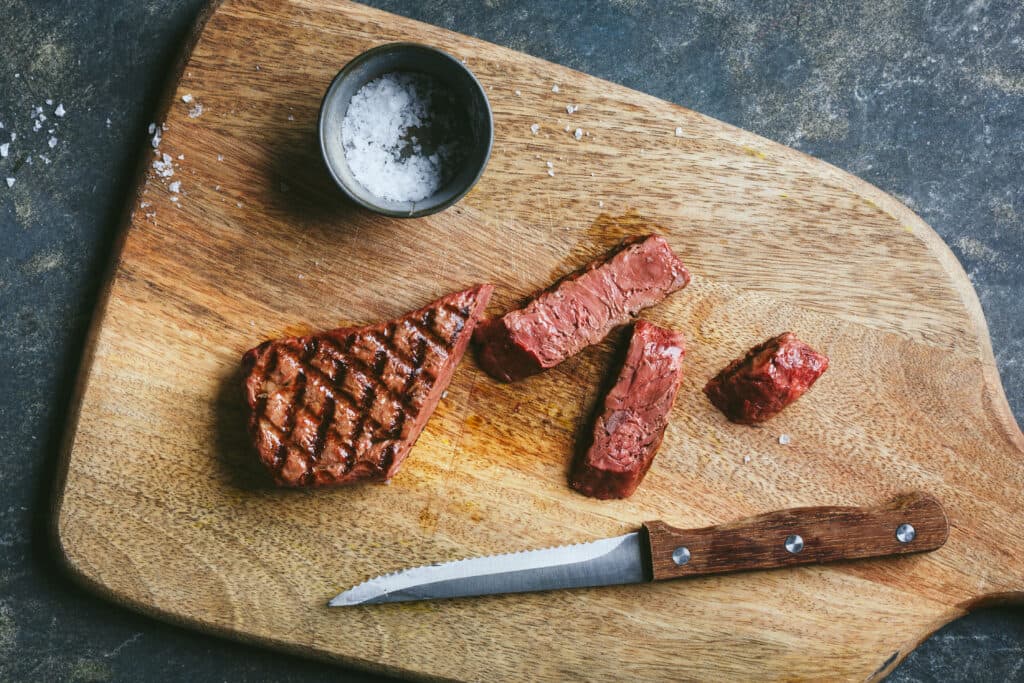
Adamo Foods has won a €10 million boost to push fungi closer to steak, and the size of the prize says a lot about where alternative protein is headed. Burgers and nuggets are familiar terrain; whole-cut products are the harder engineering problem, where bite, juiciness, grain and cook performance have to feel convincingly like meat. Adamo has long argued that matters commercially, too: whole cuts make up 85% of the real meat market, yet remain nearly absent from meat alternatives.
The award sits inside MycoStruct, a Circular Bio-based Europe Joint Undertaking project running from 1 May 2026 to 30 April 2029. CBE JU classifies it as an Innovation Action focused on demonstration, with an EU contribution of €6,992,644.73 against a total project cost of €10,305,425.38. CORDIS lists the grant agreement as 101292039, and the European Commission signed the project on 13 April 2026. The consortium brings together 12 food, biotech and research organisations across Europe, including Bidfood Group, Bühler, TU Delft and Bio Base Europe.
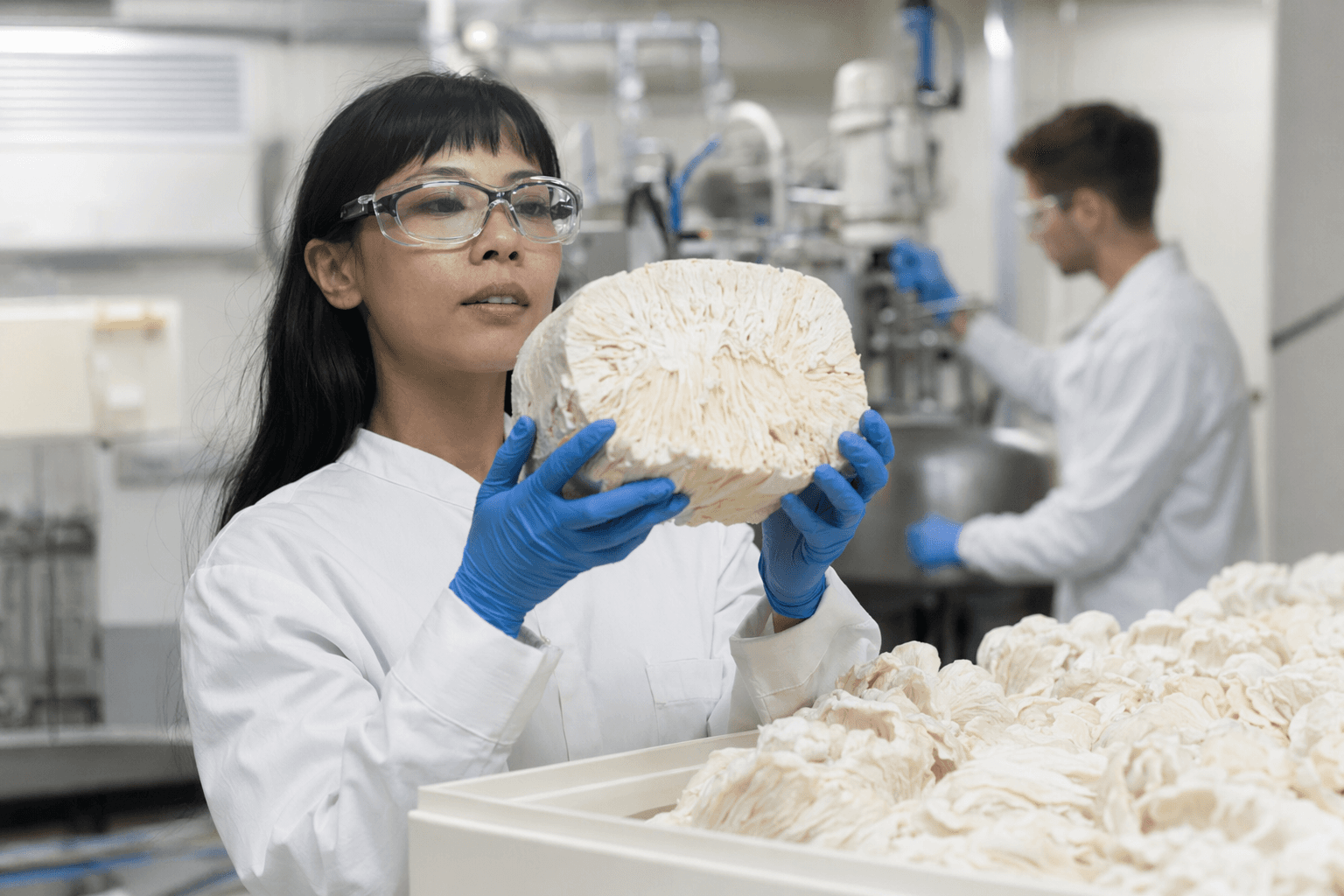
That structure matters because whole-cut mycelium is not just a recipe challenge. It is a manufacturing and supply-chain challenge, from feedstock choice to downstream processing. MycoStruct will begin with corn-based sugar for early tests, then move to sidestream inputs such as maize starch cake, potato processing wastes and alfalfa silage. Adamo says the project is meant to scale production of its whole-cut alternatives while also turning food-industry sidestreams into nutrient-rich protein ingredients.
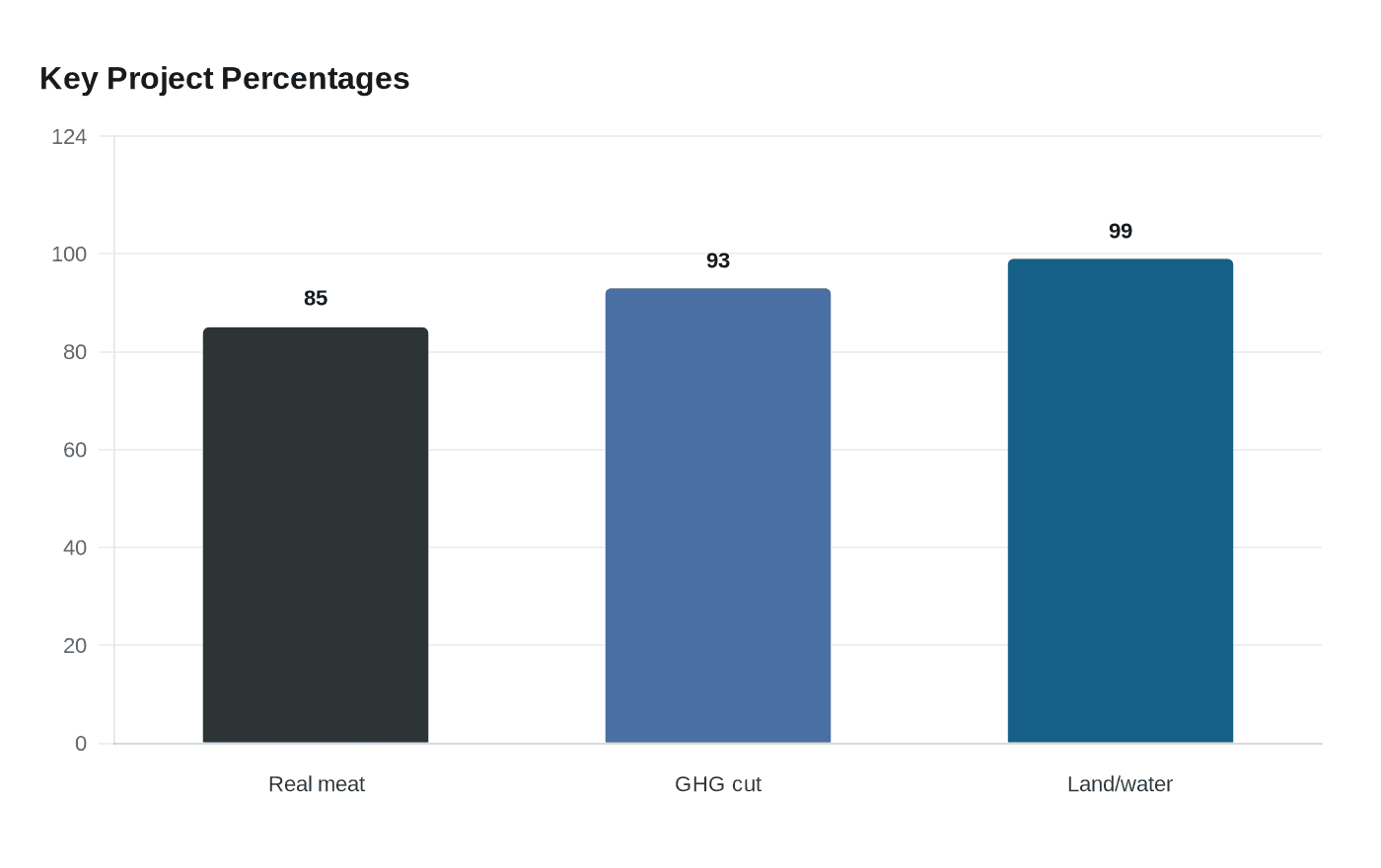
The scale targets are explicit. CBE JU says the project aims to reach a 5,000-litre demonstration facility producing 4,000 kilograms of wet biomass and 500 kilograms of ready-to-use protein each week. The longer-term route points to 100,000-litre facilities capable of making up to 15 million portions of whole-cut alternative protein a year. On the environmental side, the project says the technology could cut greenhouse-gas emissions by up to 93% and reduce land and water use by up to 99% versus beef-based production.
The project also carries the European Commission’s STEP Seal, officially the Sovereignty Seal under Regulation (EU) 2024/795. The STEP Seal dashboard notes that project abstracts are supplied by applicants and are not verified by the Commission, so the label is best read as a policy signal rather than a technical endorsement. For Adamo, founded in 2021 by Pierre Dupuis, the new backing follows earlier financing that included £1.5 million in 2022 and a later $2.5 million seed round to reach pilot scale. The company has said it wants to launch in selected restaurants first, then expand into other whole-cut formats such as chicken breast alternatives. This grant suggests the market is starting to treat structured mycelium less like a novelty and more like a plausible platform for premium meat replacements.
This article was produced by Prism’s automated news system from verified source data, official records, and press releases, then run through automated quality and moderation checks before publishing. The system is built and supervised by the people who set the standards it runs under. Read our full AI policy.
Did this article answer your question?