AHA guidance favors plant protein, fish and low-fat dairy choices
The AHA's newest heart-health guidance puts plant proteins, fish and low-fat dairy ahead of red meat and makes high-protein labels answer for sodium, fat and sugar.
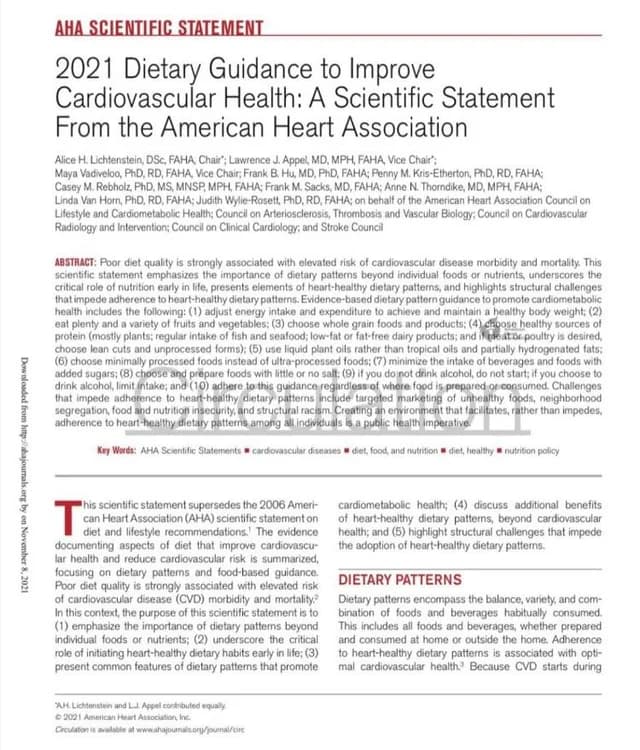
The American Heart Association’s 2026 Dietary Guidance to Improve Cardiovascular Health, published in *Circulation* under DOI 10.1161/CIR.0000000000001435, narrows which protein sources deserve the strongest endorsement. It updates the group’s 2021 advice and makes protein choices part of a bigger cardiovascular pattern, not a standalone marketing claim.
What the AHA is really saying about protein
The clearest protein message in the 2026 statement is straightforward: choose healthy sources of protein that are mostly plants, include fish and seafood regularly, lean on low-fat or fat-free dairy, and keep red and processed meats limited. The statement was led by chair Alice H. Lichtenstein and vice chair Amit Khera, and it fits the AHA’s broader position that diet quality matters as much as any single nutrient.
Protein has become a shorthand for health across the packaged-food aisle. A bar, shake, dairy drink or meal kit can carry a big protein number and still miss the point if it brings too much saturated fat, sodium, added sugar or processing baggage along with it. The heart-health test is not just how much protein is on the label, but whether the rest of the formulation still fits a cardiovascular-friendly eating pattern.
The AHA’s March 31, 2026 rollout cast the guidance as 9 key steps for a lifetime of eating well and said the advice may reduce cardiovascular disease risk. High blood pressure and obesity remain high among major health factors that drive cardiovascular risk.
What fits the cardiovascular lane
For practical shopping and product development, the AHA’s protein hierarchy is easier to read when you translate it into food choices. Plant proteins sit closest to the center of the plate, with regular fish and seafood next in line, followed by low-fat or fat-free dairy. Red and processed meats move to the restricted side of the ledger, not because protein itself is the problem, but because the surrounding nutrient profile usually is.
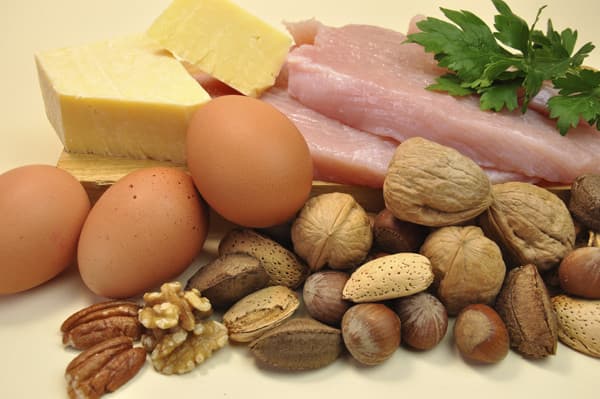
In daily eating terms, that points toward protein sources such as legumes, fish, yogurt, milk with reduced fat, nuts and seeds, along with poultry and other leaner options that fit a nutrient-dense pattern. The federal 2025-2030 Dietary Guidelines for Americans, released January 7, 2026, reinforce that direction by identifying legumes, including peas and lentils, as a protein foods subgroup.
- Beans, peas and lentils work hard for heart health because they deliver protein inside a package that also brings fiber.
- Fish and seafood line up directly with the AHA’s preference for regular intake.
- Low-fat or fat-free dairy keeps protein in the picture without the saturated fat load that can come with richer dairy products.
- Nuts and seeds can round out the pattern when portion sizes and the rest of the diet stay in check.
Where high-protein products run into trouble
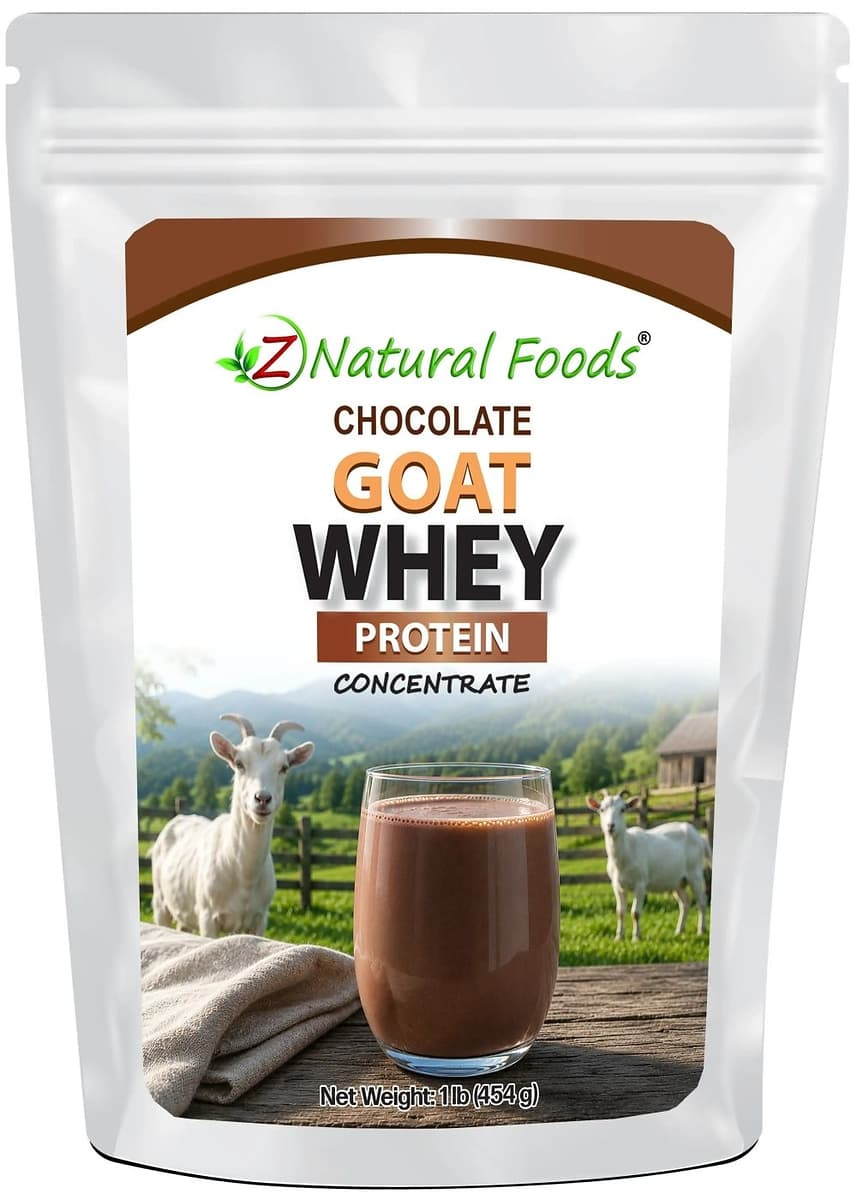
The protein category has spent years being sold as a shortcut to wellness, but the AHA lens exposes where that pitch falls apart. Protein bars, shakes, shelf-stable dairy drinks and meal solutions often promise convenience and satiety, yet many of those products bring along sodium, saturated fat or added sugar that makes them a poor fit for a heart-conscious diet.
The guidance pushes the sector toward leaner, cleaner and more balanced formulations, including low-sugar shakes, plant-forward frozen meals and snacks that pair protein with fiber while keeping sodium down. In practical terms, a product can be high in protein and still be a weak cardiovascular choice if the rest of the panel reads like a dessert or a processed snack.
Ingredient lists matter as much as front-of-pack claims. If a protein drink gets its texture from added sugars and its creaminess from heavier fats, it is not really doing the job the heart-health guidance sets out. The better bet is a formula that keeps protein central while respecting the bigger nutritional picture, especially sodium and saturated fat.
Why the federal guidelines matter too
Federal dietary rules are part of the same conversation. The 2025-2030 Dietary Guidelines for Americans arrived on January 7, 2026, and the AHA publicly welcomed that guidance while pledging to keep working with the administration to fight chronic disease. Food companies now have to read two powerful signals at once: national dietary guidance and a cardiovascular society’s more pointed heart-health interpretation.
The two frameworks are aligned on the plant-forward direction, but not perfectly. For brands, that means the easy move is gone. A high-protein product now has to satisfy cardiovascular expectations, federal dietary language and consumer demand at the same time.
Why this reaches beyond sports nutrition
The AHA has been pushing diet as prevention, not just treatment, and that broadens the protein story far beyond gym shelves. Middle-aged adults, older adults and people managing cardiovascular risk factors all sit inside this audience, which makes everyday foods more important than niche supplements. Protein products that once aimed squarely at athletes or weight-loss shoppers now have to survive scrutiny from clinicians, caregivers and preventive-health programs.
Under its Health Care by Food initiative, the association funded four Scientific Sessions 2025 abstracts and hosted its first-ever Food Is Medicine Pavilion, tying diet guidance more closely to clinical prevention and chronic disease management.
This article was produced by Prism’s automated news system from verified source data, official records, and press releases, then run through automated quality and moderation checks before publishing. The system is built and supervised by the people who set the standards it runs under. Read our full AI policy.
Did this article answer your question?