Army seeks plant-based proteins to ease combat meal logistics
The Army is testing plant-based and fermentation-derived proteins as a battlefield logistics tool, not a trend, with MRE-ready nutrition and shelf life on the line.
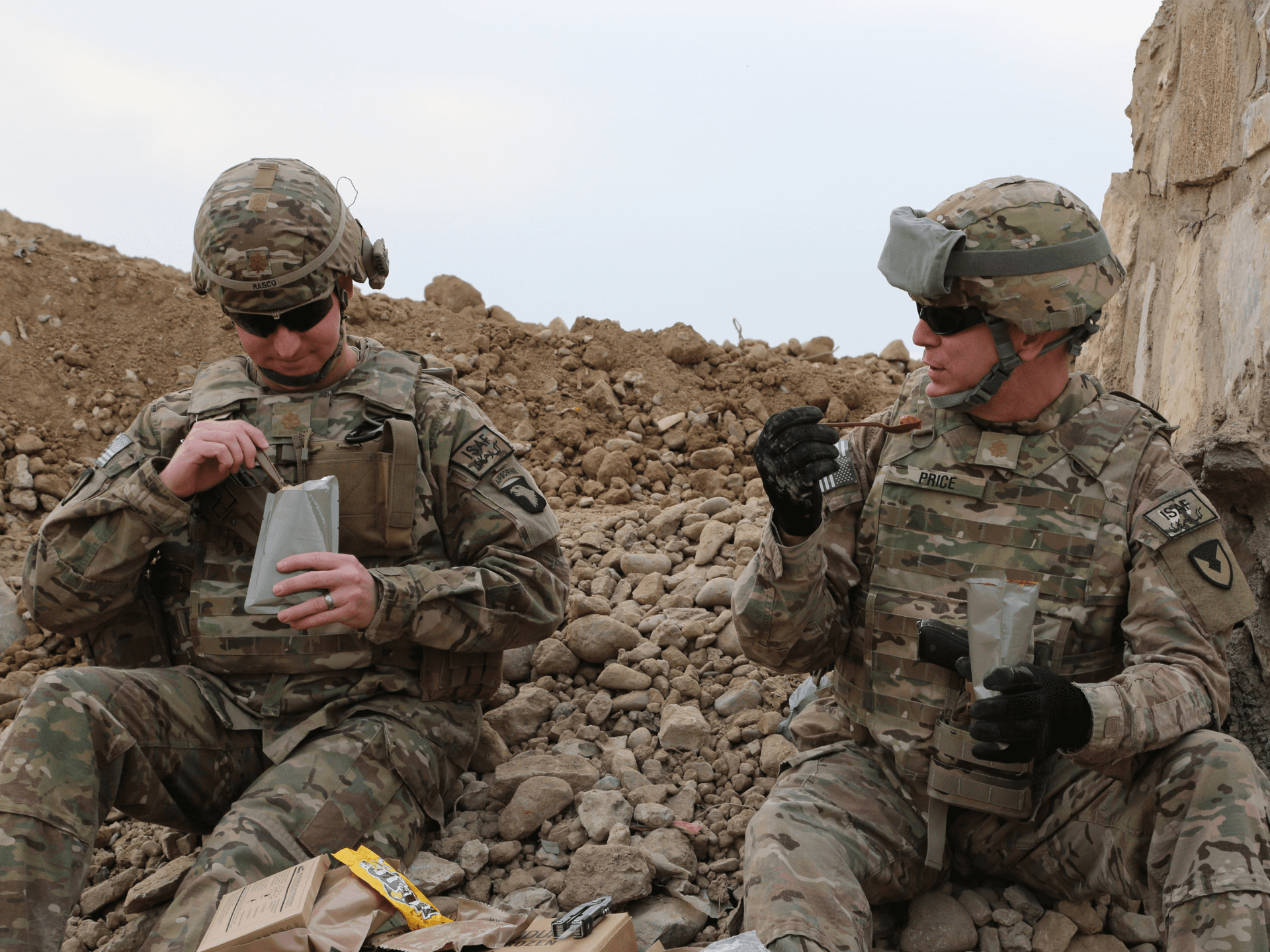
The Army is treating alternative protein as a combat-readiness problem first. It wants meals that can hold up in remote, contested environments, keep soldiers nourished under stress and reduce dependence on fragile supply lines, which puts plant-based and fermentation-derived proteins into a much harder test than a supermarket label ever faces.
That shift showed up in a Sources Sought notice the Army Combat Capabilities Development Command Soldier Center published in late April, asking industry and academia to bid on alternative-protein development. The message behind that request is clear: the Army is looking for field-ready protein systems, not a symbolic sustainability project. The work sits ahead of the introduction of vegan options in the military meals program, a sign that the service is already thinking about multiple dietary pathways for operational feeding.
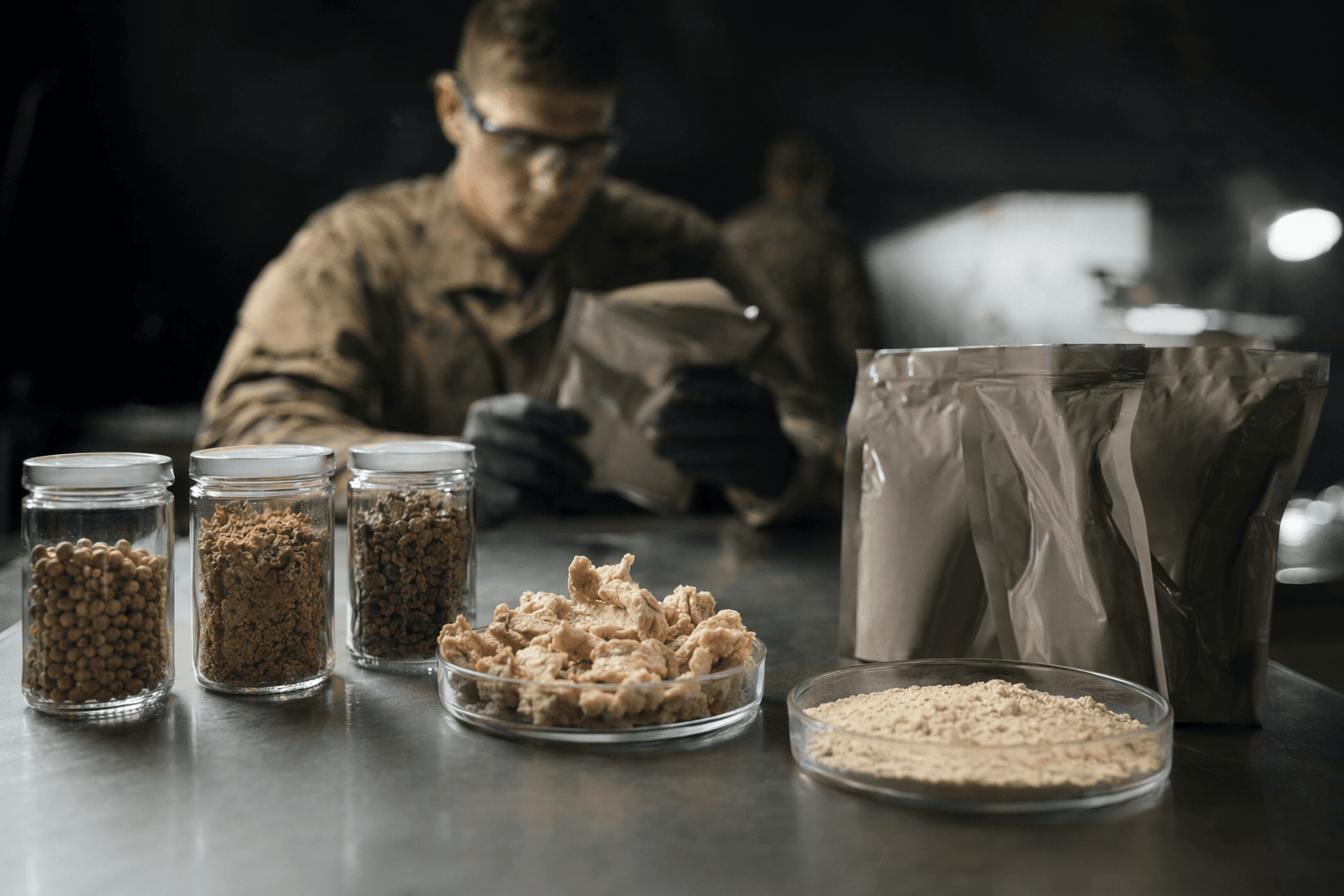
For the defense side, the promise is practical. Proteins that can be sourced or manufactured with less reliance on long supply chains could help commanders in places where shipping is slow, uncertain or dangerous. Shelf-stable meals matter, but so does nutrition density, soldier acceptance and the ability to produce or procure ingredients under pressure. In that sense, the Army is effectively setting a performance standard for the category: the product has to survive storage, deliver useful nutrition and still be something troops will actually eat.

That makes the military a serious proving ground for the alternative-protein industry. Plant-based and fermentation-derived ingredients will have to demonstrate manufacturing consistency, long shelf life and logistics advantages in an environment where failure is not measured in disappointed shoppers but in degraded readiness. If those ingredients can pass that test inside military meals, they may gain credibility far beyond it.
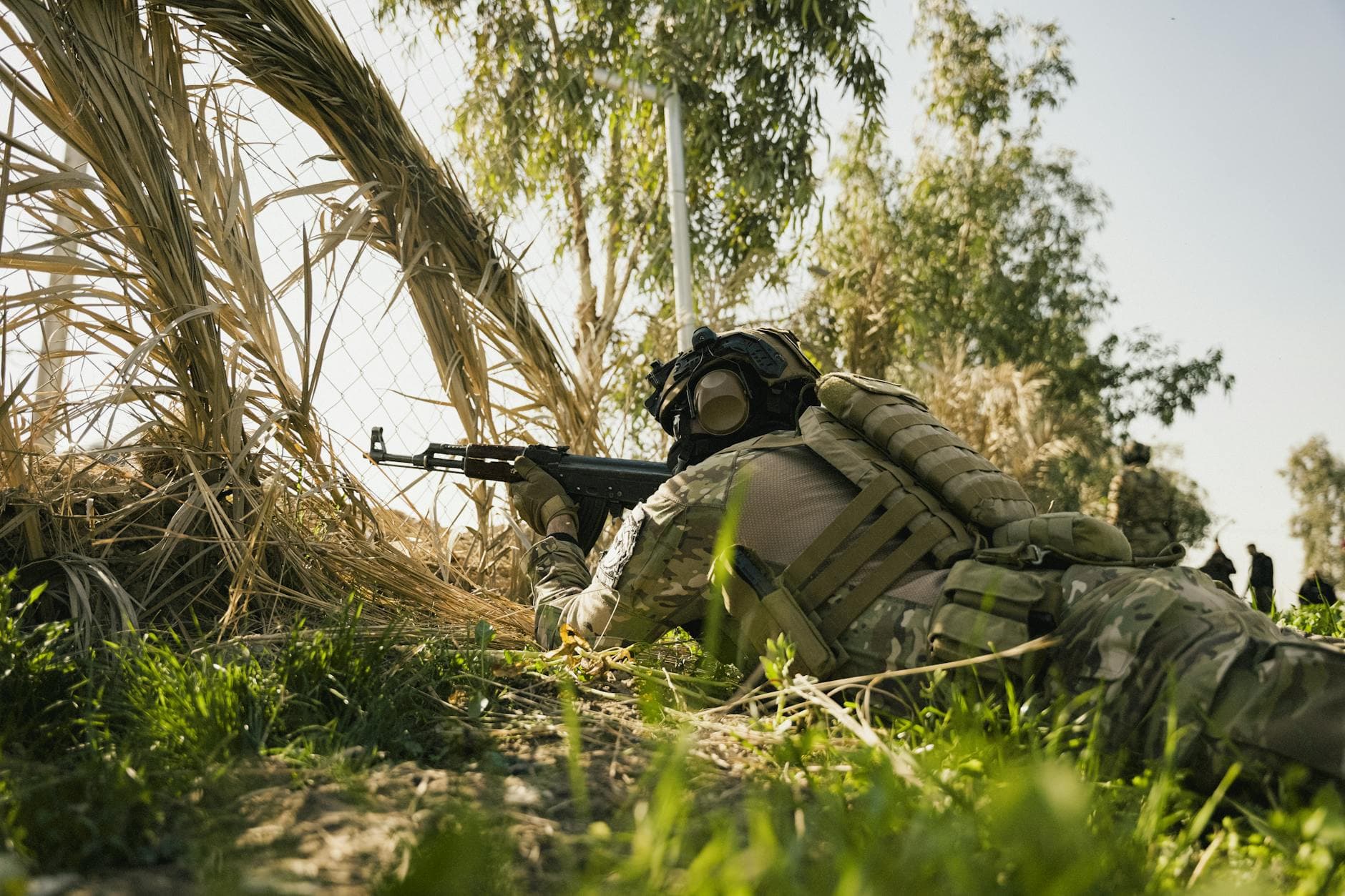
The broader significance reaches past the mess line. Defense validation could become a powerful signal for a sector that has often been framed through consumer trends alone. If the Army decides these proteins can support combat feeding, the case for broader use in institutional kitchens, emergency response stockpiles and eventually civilian channels gets stronger. What is being evaluated now is not just a new ingredient list, but whether protein innovation can function as a national-resilience tool when the supply chain is under strain.
This article was produced by Prism’s automated news system from verified source data, official records, and press releases, then run through automated quality and moderation checks before publishing. The system is built and supervised by the people who set the standards it runs under. Read our full AI policy.
Did this article answer your question?