Biosphere wins $9 million Defense grant for portable gas-fermented protein bioreactors
Biosphere won up to $9 million from the Army to build portable bioreactors that could turn air, water and energy into rations for up to 18 warfighters.
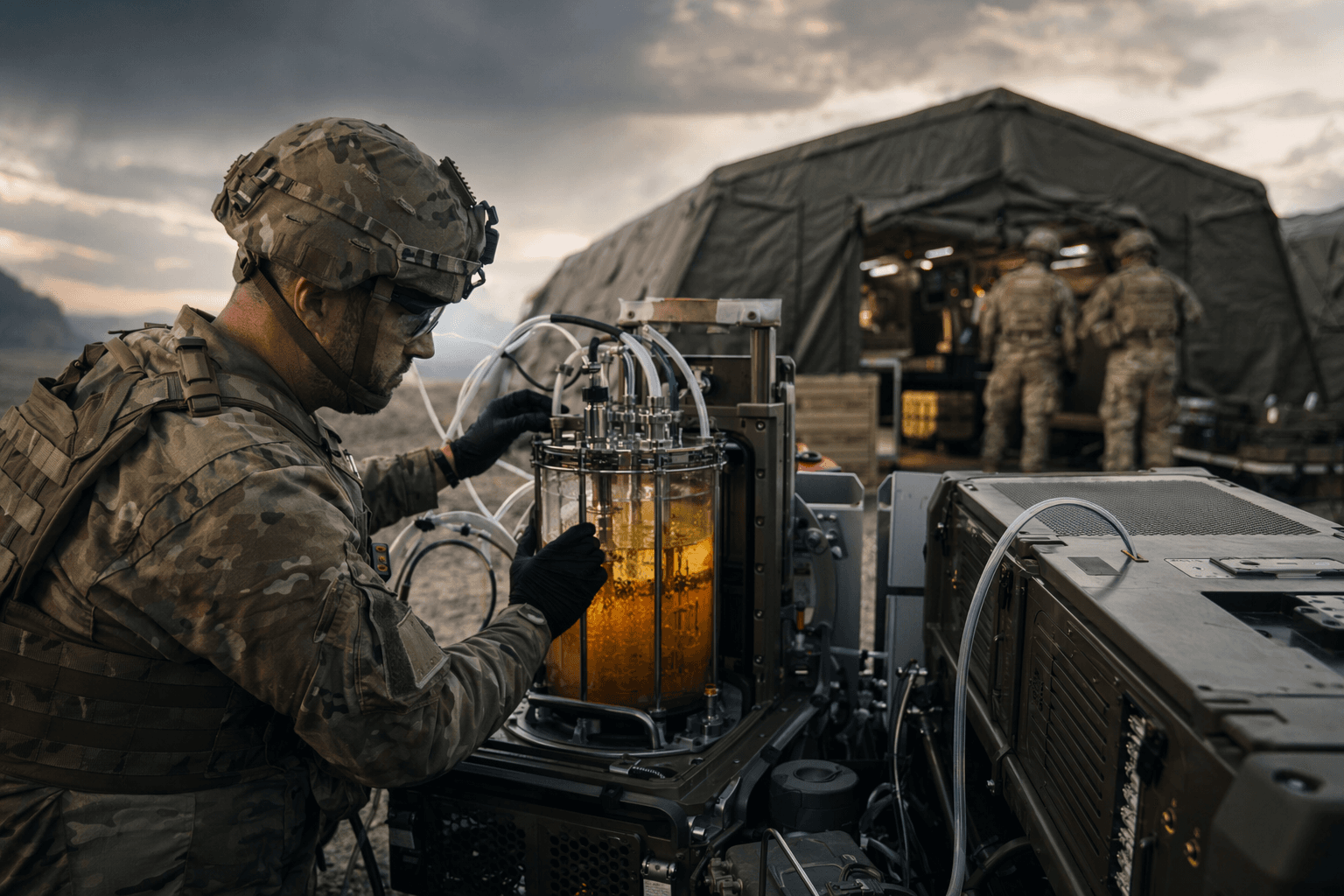
Biosphere has landed an Other Transaction Authority agreement worth up to $9 million to build portable gas-fermented protein bioreactors for the U.S. Army, a bet that battlefield food security may depend as much on on-site manufacturing as on traditional supply lines. The 42-month effort, announced May 5, 2026, runs through the Office of the Undersecretary of War’s Manufacturing Science and Technology Program and the U.S. Army Combat Capabilities Development Command Soldier Center, with work taking place at Biosphere’s California facilities and final product samples sent to the Combat Feeding Division in Natick, Massachusetts.
The company says the system is designed to make protein rations from air, water and energy, using UV sterilization, water and media recycling, and downstream processing for ready-to-eat foods. Biosphere’s first target is a unit that can deliver 2,800 calories per person per day for up to 18 warfighters, with a scale-up path to support 250 personnel. Chief executive Brian Heligman has said the goal is to produce nutritious, shelf-stable food anywhere, while co-founder and chief operating officer Arye Lipman has argued the same platform could also be adapted for fuels, chemicals and advanced materials.
For the Army, the project fits a broader push to make field feeding lighter, denser and less dependent on vulnerable logistics chains. DEVCOM Soldier Center says its mandate is to ensure Soldiers are best fed, best protected and most mobile, and the center has been working on foods that can travel farther and take up less space. The Close Combat Assault Ration became available across all U.S. military services in 2025, a sign that the service is still trying to improve how troops are fed in contested or remote environments where every pound of rations matters.
The Biosphere award also expands the case for gas fermentation beyond grocery aisles and restaurant menus. Gas fermentation uses microbes fed with gaseous inputs to produce protein, which can reduce dependence on farmland, weather and conventional agriculture. That makes it attractive not just as an alt-protein story, but as a resilience story for defense planners who need high-efficiency nutrition systems that can be deployed close to the point of need.
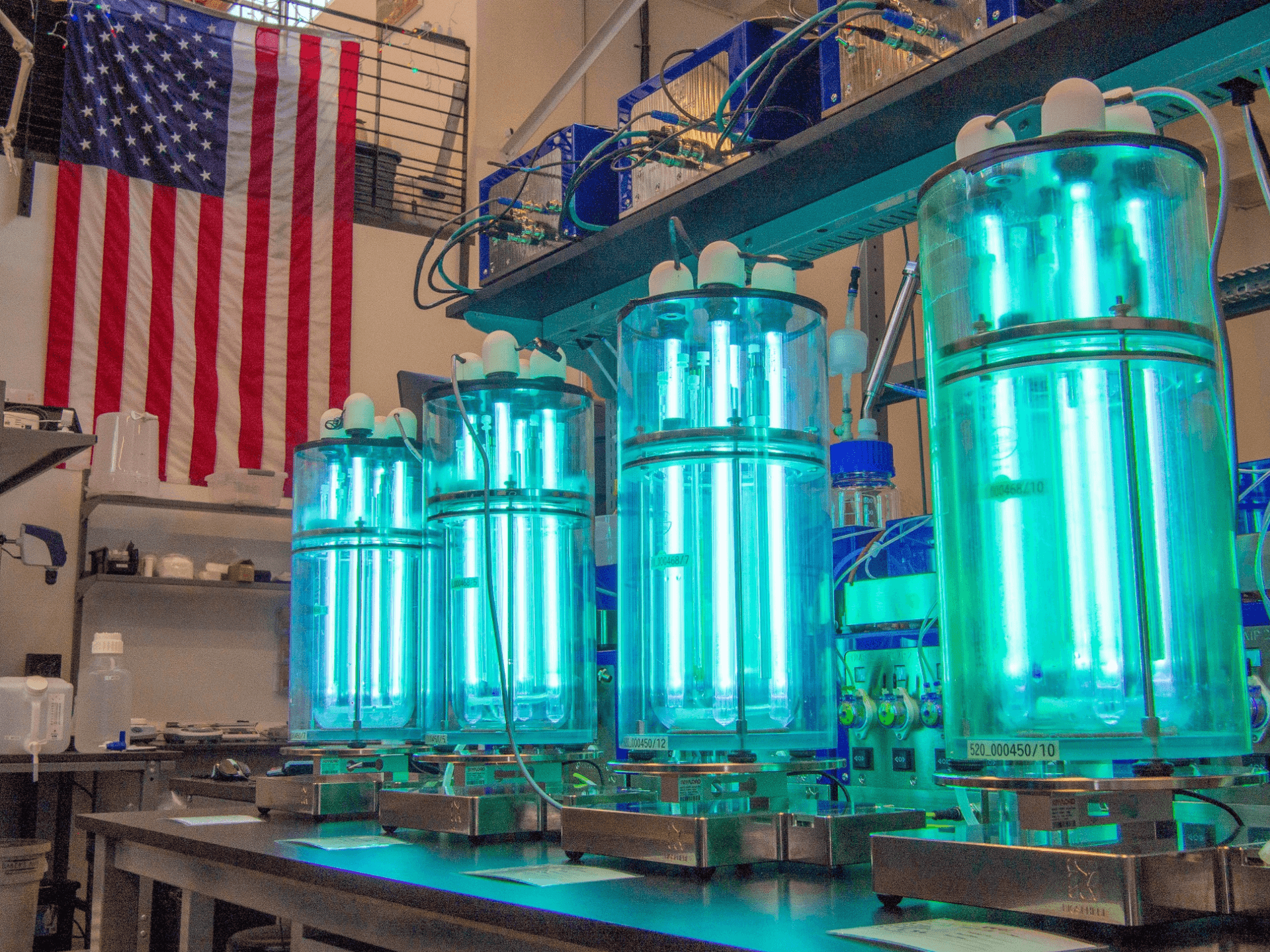
There is precedent for that thinking. In 2024, LanzaTech said it was moving gas fermentation into human food with LanzaTech Nutritional Protein and was working with the U.S. Navy Research Lab on shipboard protein production, after already selling 25,000 tonnes of single-cell protein for animal feed. The Pentagon also withdrew a 2024 cultivated-meat funding call after pressure from livestock-industry groups, showing how military nutrition has become both a technical and political flashpoint. Founded in 2022 and backed by Lower Carbon, VXI Capital, Founders Fund and GS Futures, Biosphere is now trying to prove that portable biomanufacturing can do something conventional food systems cannot: deliver reliable protein where supply lines are weakest.
This article was produced by Prism’s automated news system from verified source data, official records, and press releases, then run through automated quality and moderation checks before publishing. The system is built and supervised by the people who set the standards it runs under. Read our full AI policy.
Did this article answer your question?