Phytokana secures $450 million in faba protein offtake deals
Phytokana said customer contracts now total about $450 million before its Strathmore plant opens, a big vote of confidence in faba protein supply.
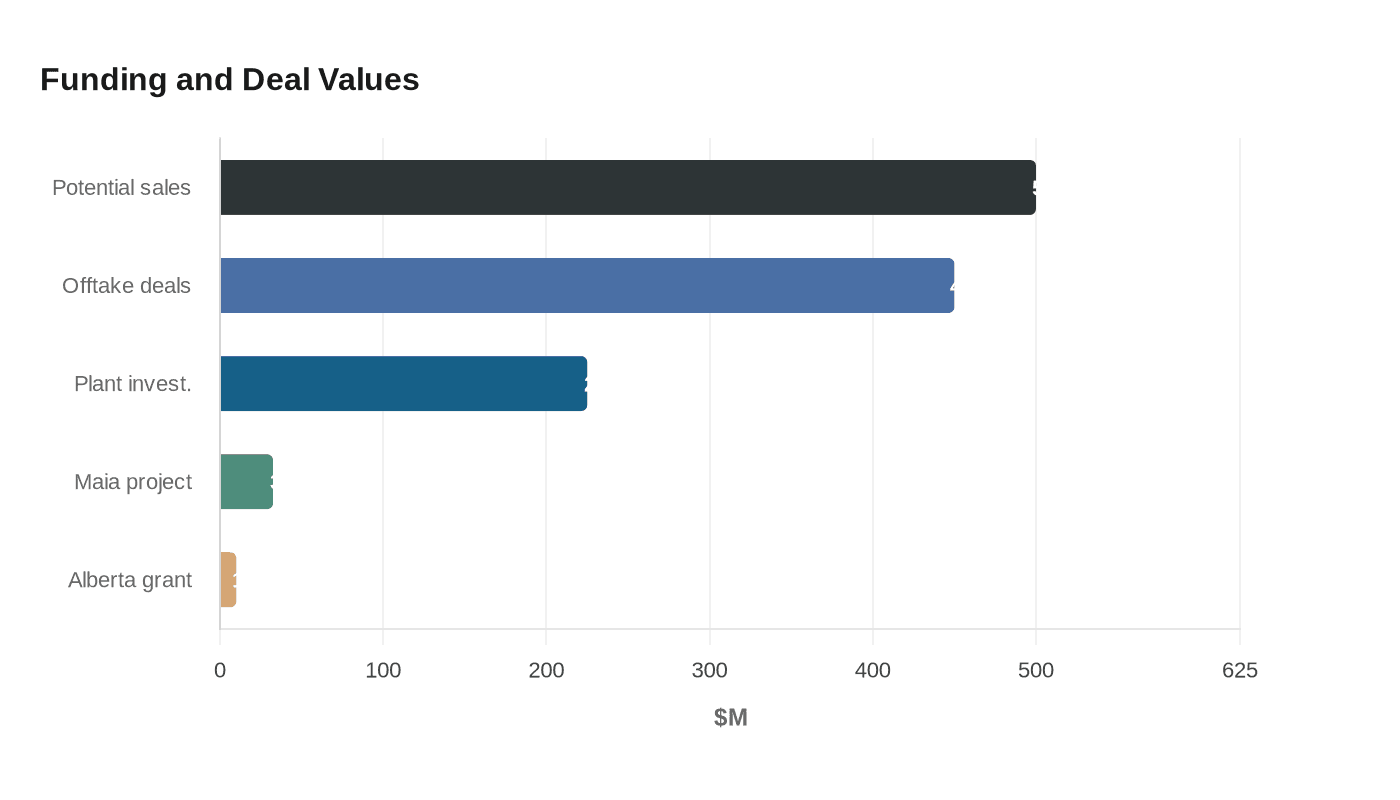
Phytokana said it has locked in long-term offtake agreements worth roughly $450 million in cumulative contracted revenue, with total potential sales topping $500 million when earlier memorandums of understanding are included. For a company still building its first major facility, that kind of pre-committed demand changes the story: the buyer base is not waiting for the plant to prove itself, it is helping underwrite the buildout.
The contracts run three to 10 years and are tied to Phytokana’s planned dry-fractionation plant in Strathmore, Alberta, designed to process 30,000 metric tonnes of raw material a year into faba protein concentrates and high-protein flours for food and beverage manufacturers. The scale matters because it reduces financing risk before the facility is fully operational and gives Phytokana a clearer path to revenue from day one. It also signals that faba-based proteins are moving beyond pilot-stage curiosity and into the more bankable world of ingredient supply contracts.
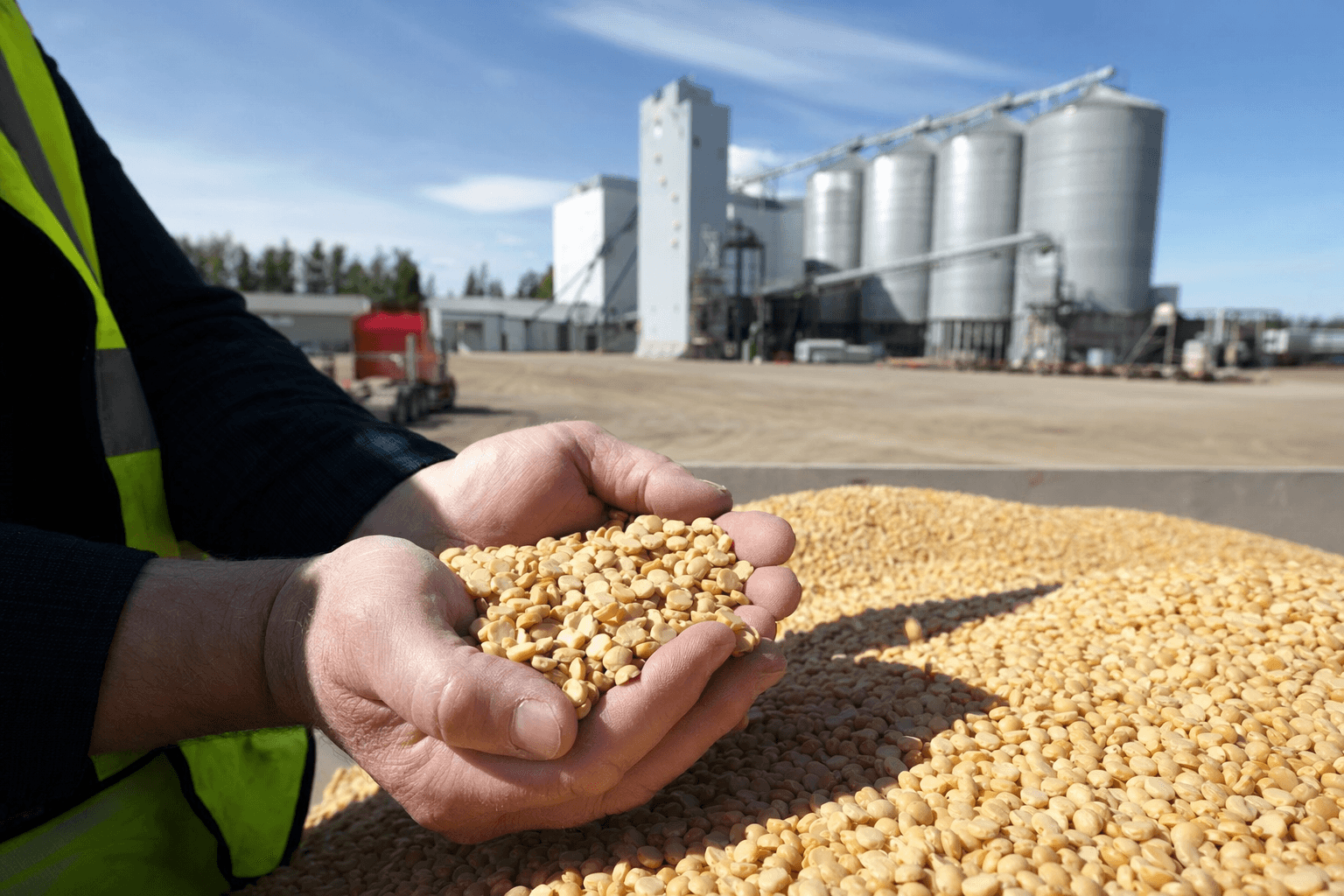
Phytokana’s push has been years in the making. In May 2022, the Calgary-based company announced a $225 million investment for a food protein processing facility in Strathmore, projecting more than $120 million in annual GDP and 80 full-time jobs. Alberta’s major-projects listing says the site will process 30,000 metric tonnes of fava peas annually into soluble and insoluble protein isolates, processed fibre and starch, while Emissions Reduction Alberta is contributing a $10 million grant. Chris Theal, Phytokana’s founder, president and chief executive, has more than 25 years of business and leadership experience and previously served as CFO of Velvet Energy Ltd.
The commercial agreements also rest on a product platform Phytokana has spent time refining. On June 12, 2024, the company launched F70 LVC Faba Protein Concentrate, a 70% protein ingredient with retained native functionality, reduced bitterness and a white or off-white color. Phytokana says the concentrate is produced without heat, water or chemicals, and its ingredient lineup includes a protein concentrate with 12% dietary fibre, a high-protein flour with 32% to 36% protein and 21% fibre, and a starch-rich flour with 18% to 20% protein and oil- and water-binding properties.
That specificity helps explain why the contracts span bakery, nutrition, dairy alternatives and beverage applications. Phytokana says its ingredients are non-GMO, non-allergenic, gluten-free, soy-free and dairy-free, which broadens their commercial reach for formulators looking for neutral-tasting, functional proteins at scale. The company has also pointed to external validation through a $32.5 million project with Vancouver-based Maia Farms and Protein Industries Canada, including $25.9 million from industry partners and $6.6 million from the cluster, to develop fava ingredients for mycelium-based foods.
Taken together, the offtake deals suggest a broader shift in alternative protein manufacturing, from speculative capacity announcements toward customer-backed industrial projects. In Phytokana’s case, the demand appears to be arriving before the first truckload of fava peas does.
This article was produced by Prism’s automated news system from verified source data, official records, and press releases, then run through automated quality and moderation checks before publishing. The system is built and supervised by the people who set the standards it runs under. Read our full AI policy.
Did this article answer your question?