Blood protein GDF15 may flag dementia risk years earlier
Middle-aged adults with higher GDF15 faced higher dementia risk decades later, but the marker is still a prediction signal, not a clinic-ready screen.

A blood protein tied to stress signaling is emerging as an early warning light for dementia, not a diagnosis. In a Science Advances paper published June 26, 2026, Keenan A. Walker and colleagues at the National Institute on Aging linked higher plasma GDF15, also called growth differentiation factor-15 or MIC-1, to greater dementia risk over 15- to 25-year follow-up periods. Nature’s research highlight on the same study said people under 55 with relatively high GDF15 levels had elevated later-life dementia risk.
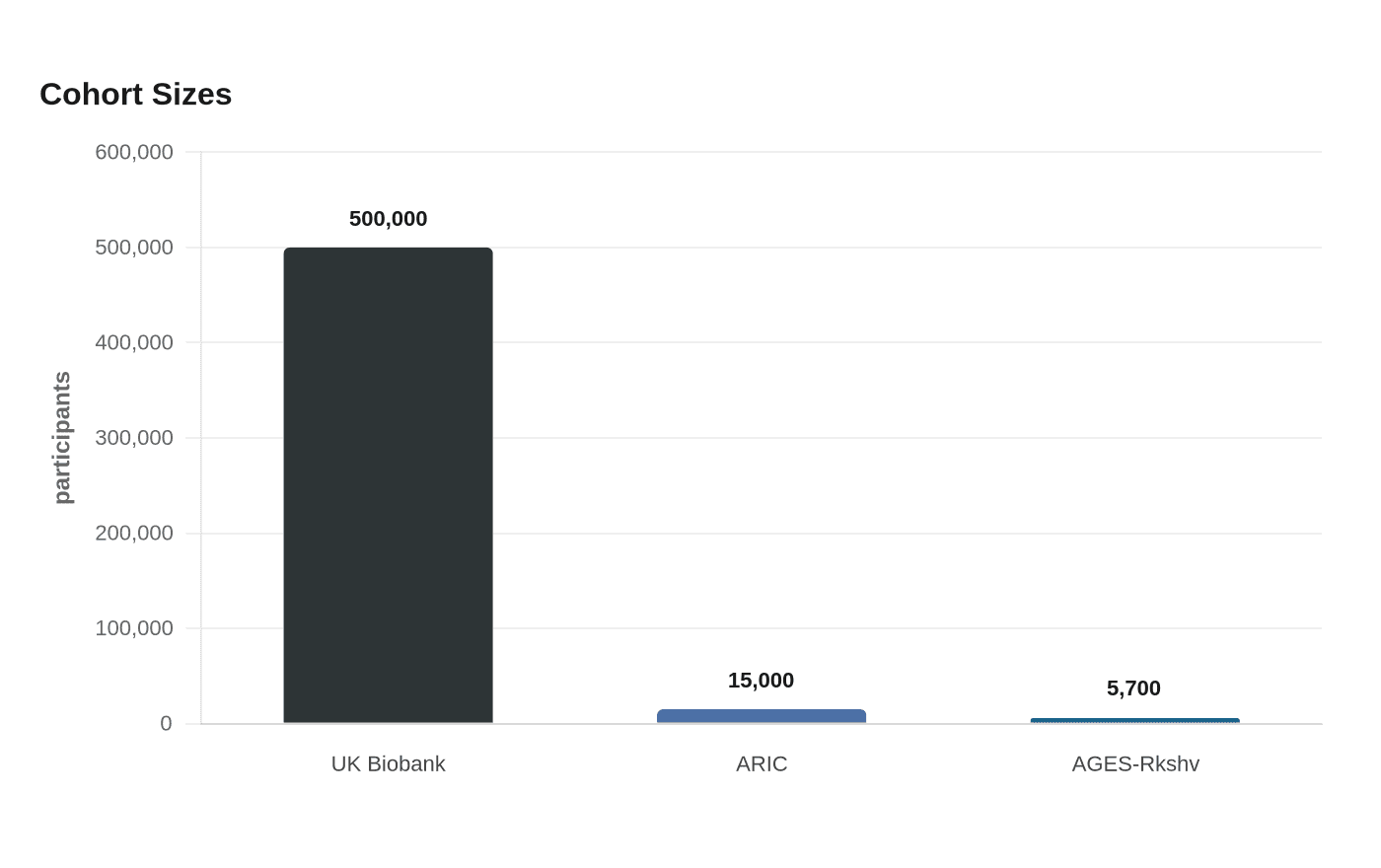
The dataset was the kind of scale that gives biomarker work real teeth: six longitudinal cohorts, including about 500,000 participants from UK Biobank, more than 15,000 from ARIC, and nearly 5,700 from the AGES-Reykjavik Study. That long horizon matters because dementia biology starts years before memory complaints, and the point of a blood marker is to catch that drift while there is still room to act.

What makes GDF15 stand out is that the signal was strongest for vascular dementia, with the paper saying the association was stronger than for Alzheimer’s disease. The authors also tied higher GDF15 to cerebral small vessel disease, phosphorylated tau and neurofilament light, and their Mendelian randomization analysis supported a possible causal role in Alzheimer’s disease and related dementias. That does not make GDF15 a stand-alone diagnostic. It does make it look more like a biologically active marker of vascular brain injury and neuroinflammation than a vague bystander.
The new result lands in a field that has been moving fast. In 2024, Nature Aging reported that plasma proteomic profiles from 52,645 adults in UK Biobank could predict future dementia risk about 15 years ahead, highlighting GFAP, NEFL, GDF15 and LTBP2. Fudan University later said its work used 1,463 plasma proteins and machine learning to forecast dementia risk roughly 15 years before diagnosis. On July 1, 2026, NIH reported that Alzheimer’s-related proteins in blood were linked to worse cognition in 1,350 CARDIA participants, with 4% to 15% showing biomarker levels high enough to suggest brain hallmarks of disease.
That is why GDF15 is interesting now: if follow-up studies show it improves prediction beyond age, APOE status and standard clinical risk factors, it could help recruit higher-risk volunteers into prevention trials, sharpen counseling, and separate people who need closer watch from those who do not. For now, the gap between a promising predictor and a usable screening test is still wide, and the paper itself calls for more work on predictive value across dementia subtypes and subgroups, plus the mechanism behind the signal.
This article was produced by Prism’s automated news system from verified source data, official records, and press releases, then run through automated quality and moderation checks before publishing. The system is built and supervised by the people who set the standards it runs under. Read our full AI policy.
Did this article answer your question?