Chinese scientists identify genes to boost maize protein, cut soybean imports
Chinese scientists pinpointed two maize genes tied to higher protein, opening a path to less imported soybean meal and steadier feed supplies.
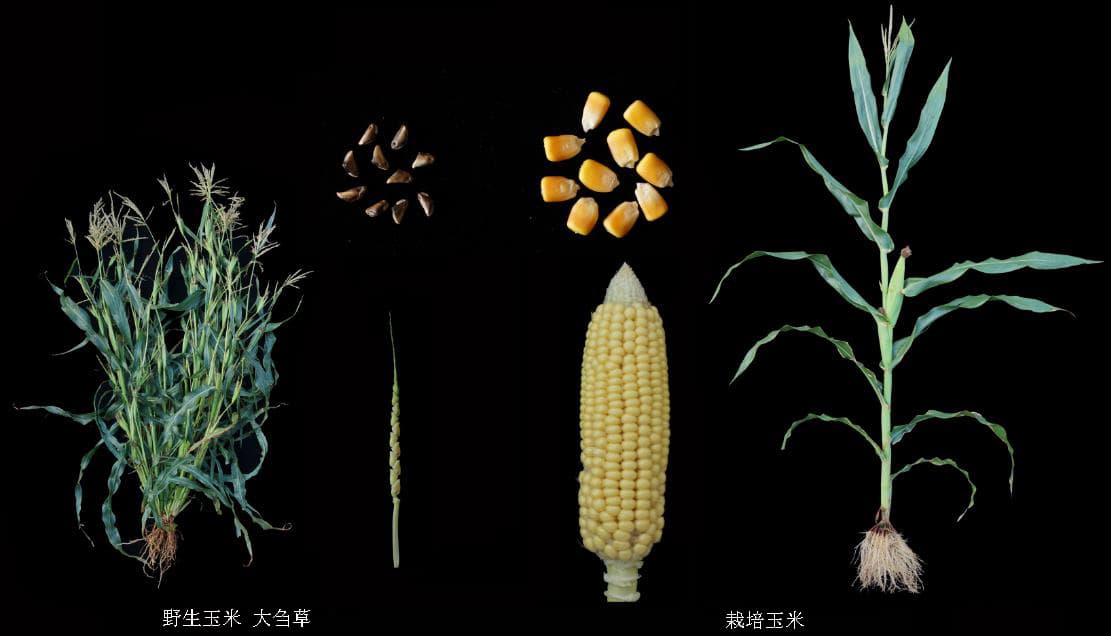
Chinese scientists have identified two key genes linked to higher protein in maize and bred new high-protein varieties, a step aimed less at crop novelty than at feed security. The work targets one of China’s most persistent agricultural pressures: a shortage of domestic protein sources for livestock feed and heavy dependence on imported soybeans.
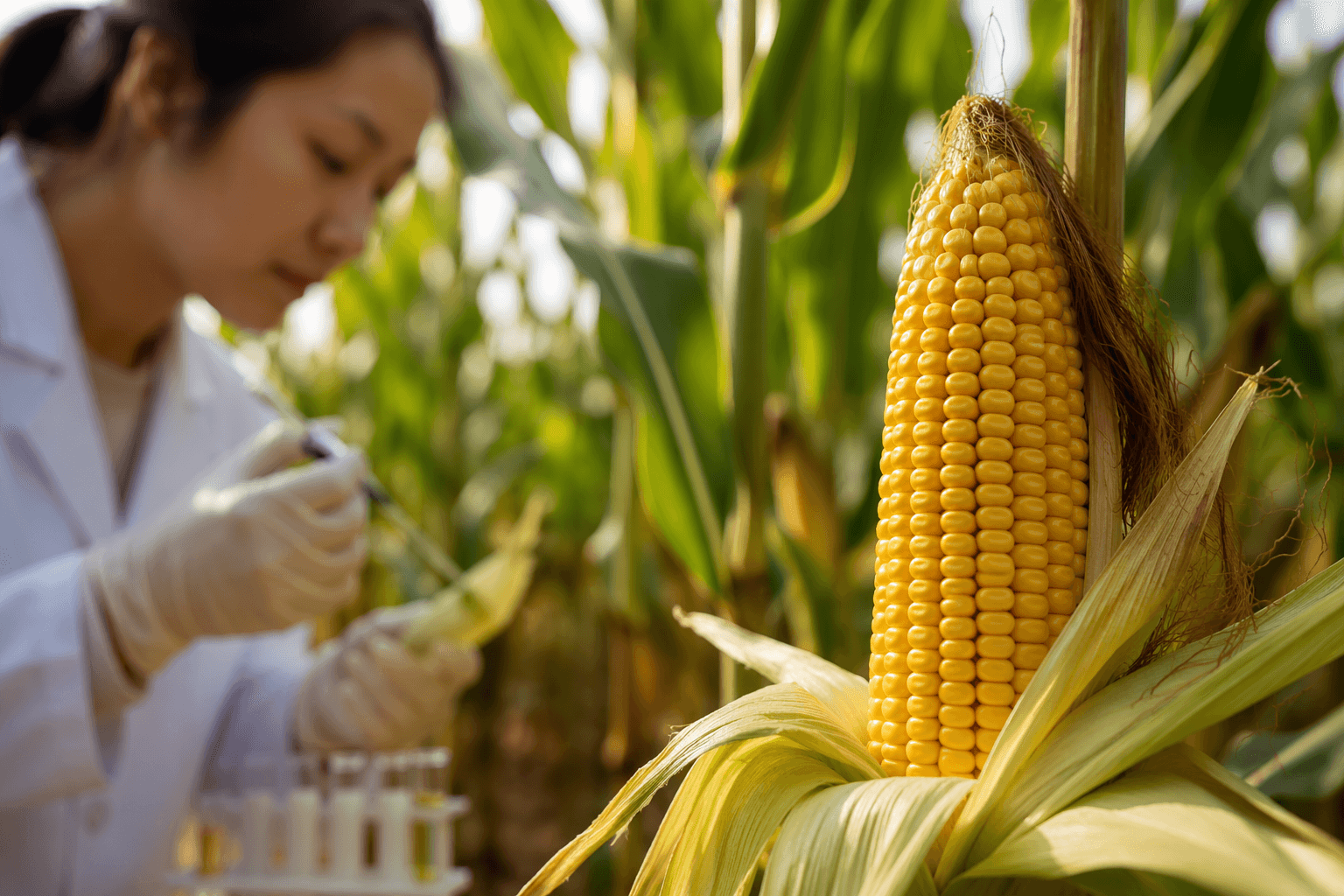
The breakthrough builds on research at Huazhong Agricultural University in Wuhan, where researchers had already developed promising high-protein corn lines by March 2025. Xinhua said some of the strains carried protein levels about 2 percentage points above ordinary corn, and more than 667,000 hectares had reportedly been planted. By November 2025, pilot production had moved into Lishu county in Jilin Province, where truckloads of newly harvested corn were sent to warehouses, marking the shift from laboratory breeding to field deployment.
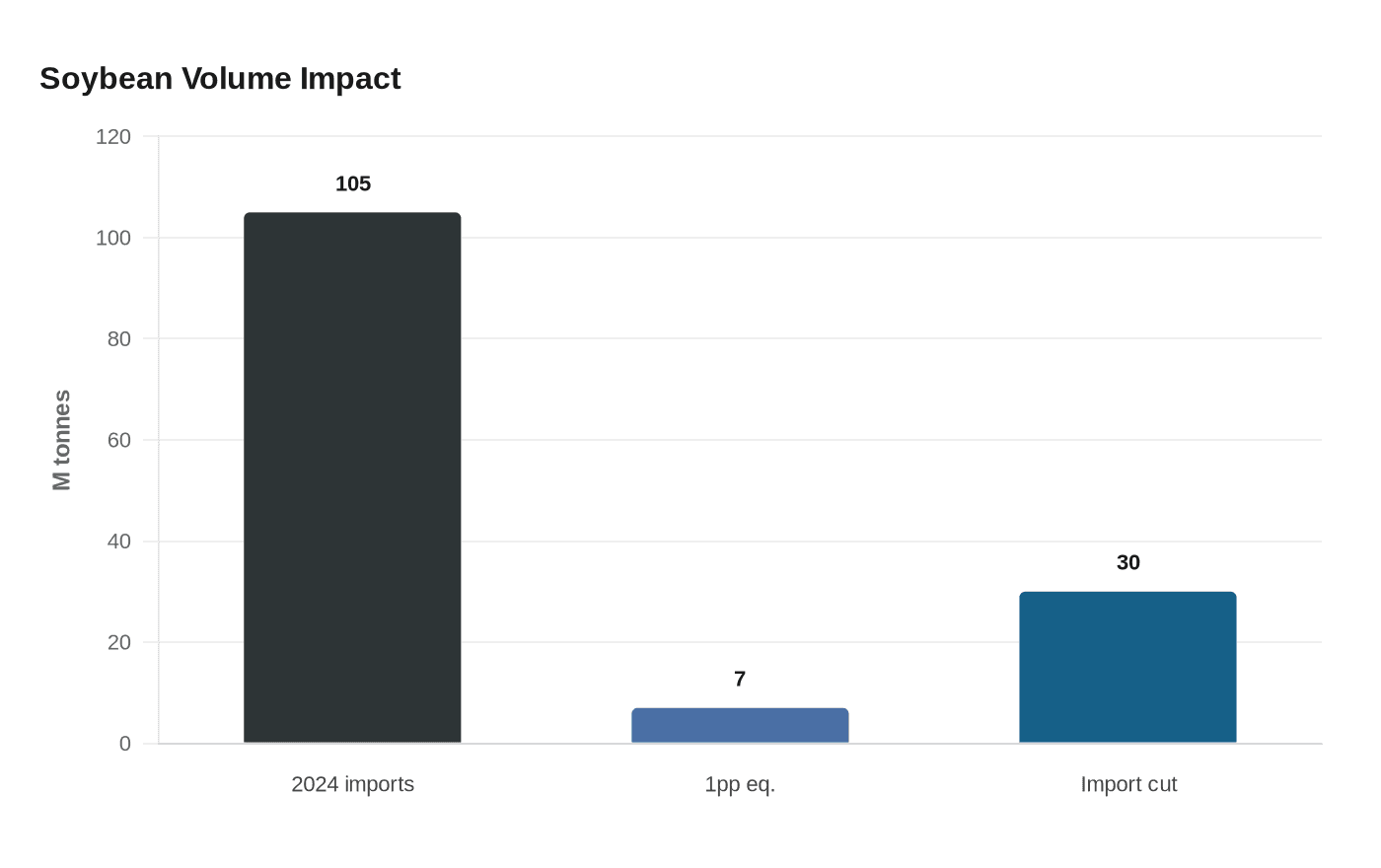
The economic logic is straightforward. China’s average corn protein content is around 8 percent, and Yan Jianbing has said that every 1 percentage point increase in corn protein could add about 2.8 million tonnes of protein, equal to roughly 7 million tonnes of soybean supply. Lifting corn protein from about 8 percent to 12 percent, he said, could cut annual soybean imports by nearly 30 million tonnes, or about one-third of China’s total soybean imports.
That matters because the import bill is already enormous. China brought in 105 million tonnes of soybeans in 2024, worth $52.7 billion, and soybean purchases have accounted for more than 80 percent of the country’s total grain imports in recent years, according to Xinhua. High-protein corn is not meant for direct human consumption. It is designed for animal feed, where it could replace part of the soybean meal used in rations for pigs, poultry and dairy herds.
Researchers have said the crop could improve livestock growth, immunity, and the quality of meat, eggs and dairy while trimming feed costs. Li Wenqiang has said that substituting some soybean meal with the new corn could help ease the protein bottleneck in feed mills and reduce exposure to volatile import markets.
The timing fits Beijing’s broader food-security drive. On June 3, 2026, the State Council issued its 15th Five-Year Plan for agricultural and rural modernization, setting a target of about 725 million tonnes in comprehensive grain production capacity by 2030 and emphasizing food security, agricultural efficiency and stronger self-reliance in agricultural science and technology. High-protein maize now sits squarely inside that strategy, as a feed crop with the potential to make China less dependent on overseas soybeans and more resilient at home.
This article was produced by Prism’s automated news system from verified source data, official records, and press releases, then run through automated quality and moderation checks before publishing. The system is built and supervised by the people who set the standards it runs under. Read our full AI policy.
Know something we missed? Have a correction or additional information?
Submit a Tip