Microbial protein remains tiny as investors chase commercial scale
Microbial protein drew $4 billion in novel-ingredient funding, but it still captured just 8.2% of alternative protein sales in 2024.
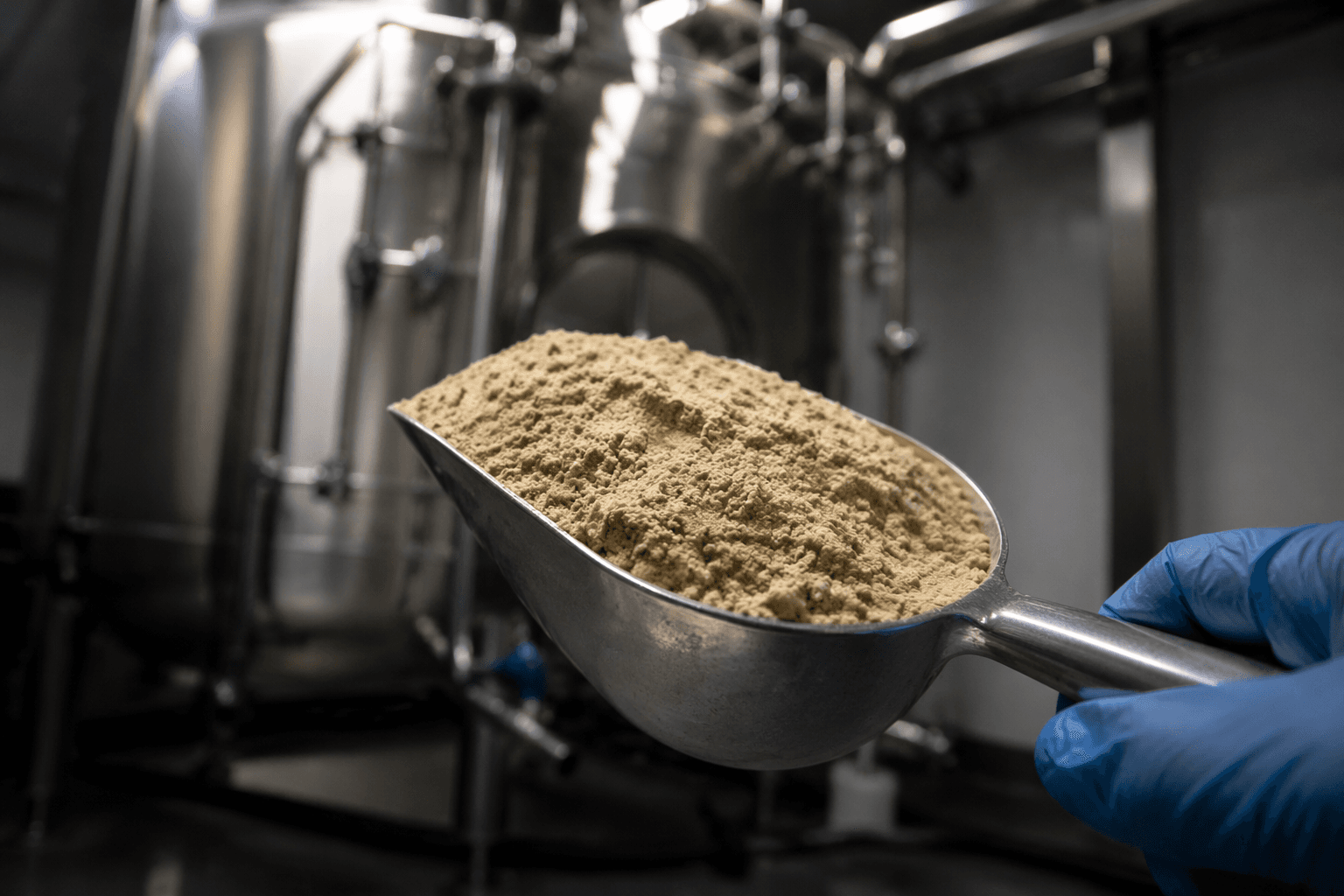
Microbial proteins made up 8.2% of alternative protein sales in 2024, while plant-based products still dominated at 88.9%. The category reached about $1.7 billion last year and is projected to climb to roughly $5 billion by 2034, but the gap between investor interest and market share remains wide.
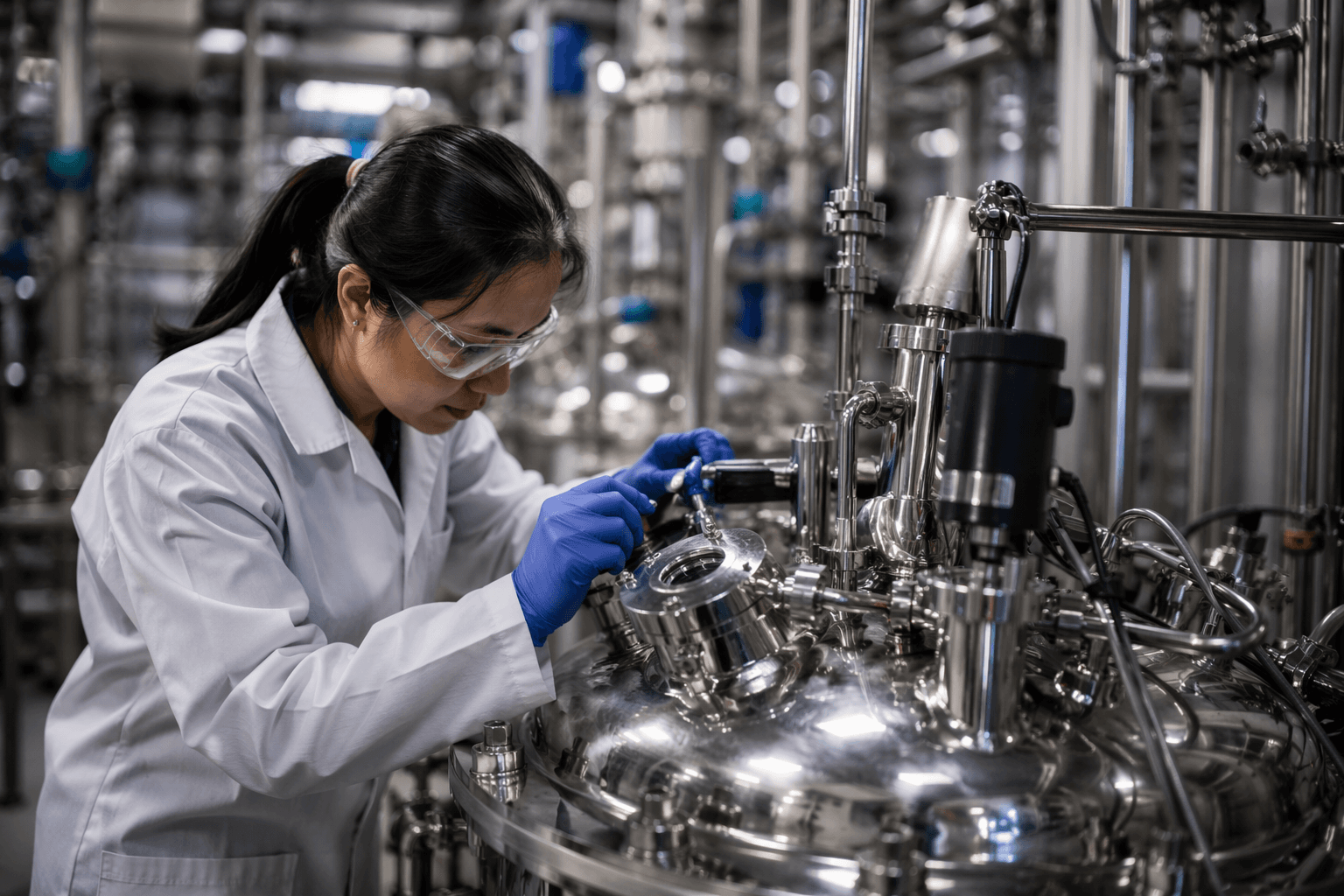
The commercial problem is not a lack of technical momentum. The Good Food Institute says fermentation-enabled alternative proteins could help shift food production toward less resource-intensive systems, but only if companies expand manufacturing capacity and reach cost parity. BCG puts the central obstacle even more bluntly, calling it the cost-scale conundrum. Its analysis says specialized biofoundries with at least 2 million liters of capacity could cut unit costs by 50% and help close the economics gap that still keeps many microbial ingredients out of mainstream food manufacturing.
Cost pressure starts with the raw material bill. In its techno-economic work, the Good Food Institute says microbial oil production models range from $1.5 to $19.6 per kilogram, far above commodity oils and fats. The main levers for bringing that down are feedstock costs, feedstock conversion and capital efficiency. That is the unglamorous part of the story: not a breakthrough molecule, but cheaper sugar, better conversion and plant designs that do not burn through capital before the product gets to market.
The category is also older than much of the hype suggests. Quorn says mycoprotein work began in the 1960s amid fears about population growth and food shortages. An academic source has described it as a “twenty year overnight success story,” and a review of the field says Quorn began selling mycoprotein in the UK after stirred-tank bioreactors were already in use before 1984. That long arc matters because microbial protein is still fighting for the kind of scale that would make it look ordinary, not novel.
Regulatory progress is moving, but slowly. In March 2024, GFI APAC said The Protein Brewery’s Fermotein received GRAS status in the United States. In December 2025, the European Food Safety Authority issued a positive scientific opinion on Fermotein, a step toward European commercialization. The buildout behind it is still underway: GFI’s 2024 fermentation state-of-the-industry summary says at least 16 fermentation facilities were opened or announced that year, and at least 21 partnerships were formed.
Capital has not been the missing ingredient. McKinsey says about $4 billion has gone into novel ingredients over the past five years, from mycelium proteins to animal-free eggs. The hard part is turning that money, those plants and those approvals into production economics that let microbial protein compete beyond pilot runs and premium niches.
This article was produced by Prism’s automated news system from verified source data, official records, and press releases, then run through automated quality and moderation checks before publishing. The system is built and supervised by the people who set the standards it runs under. Read our full AI policy.
Know something we missed? Have a correction or additional information?
Submit a Tip