EU report frames protein mix as strategic lever for food policy
The EEA tied Europe’s 80-85g daily protein intake to emissions, land use and import risk, recasting protein mix as a food policy lever.
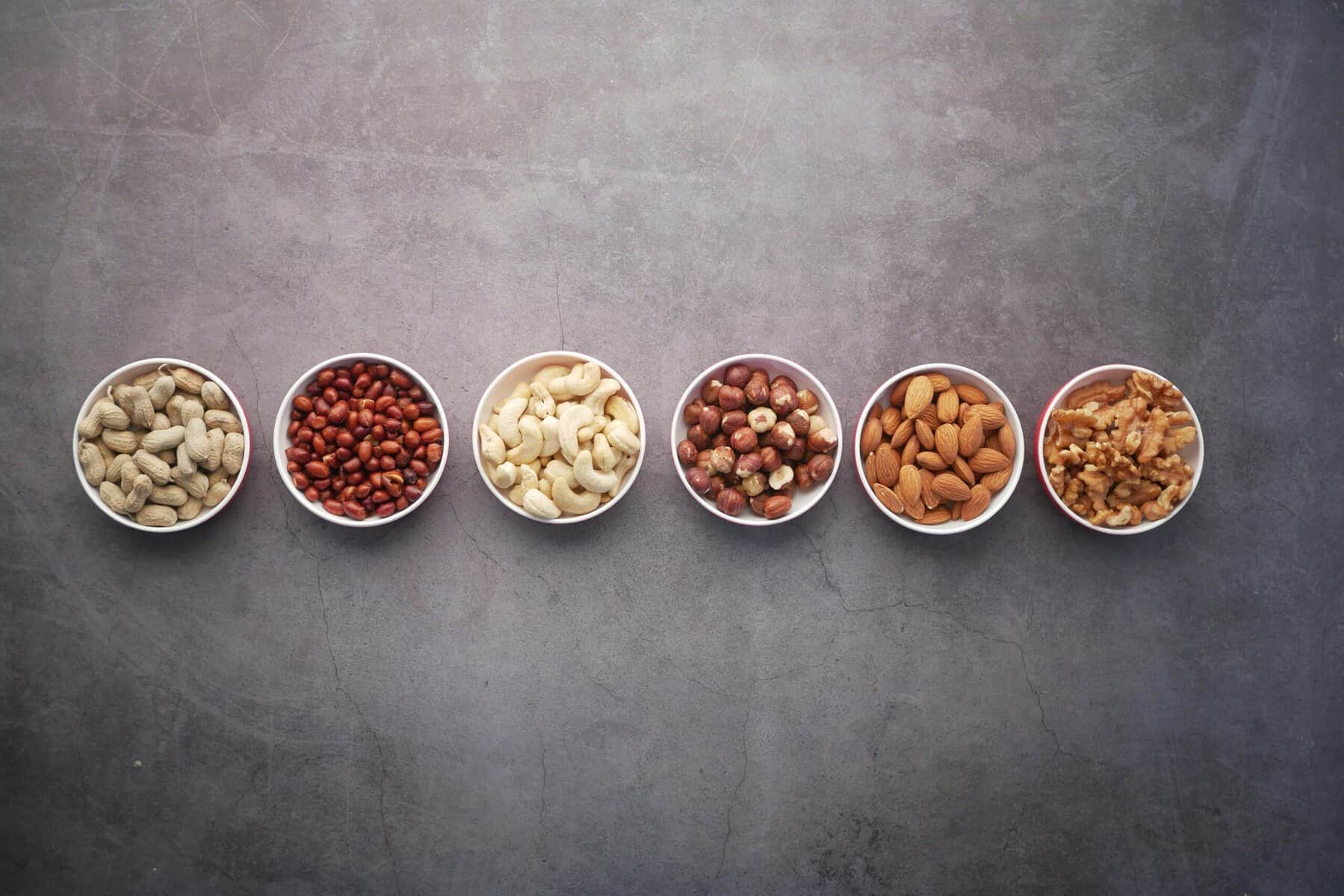
The European Environment Agency put protein mix on the policy map with a report published 22 June 2026, EEA report 05/2026, titled Protein diversification in Europe: risks and opportunities for sustainable food systems. Its core message was blunt: Europe’s protein system still leans heavily on livestock production and imported feed, leaving the bloc exposed to supply-chain disruptions, market volatility and geopolitical risk.
The scale of that dependence is what makes the report land. Average adult protein intake in the EU sits at about 80 to 85 grammes per person per day, more than most groups require, and animal-based products make up roughly 60% of total protein intake. At the same time, livestock production accounts for more than 65% of agricultural greenhouse-gas emissions in the EU, while grazing and feed production occupy over half of agricultural land. That combination turns protein from a dietary preference into a systems question about emissions, land use and resilience.
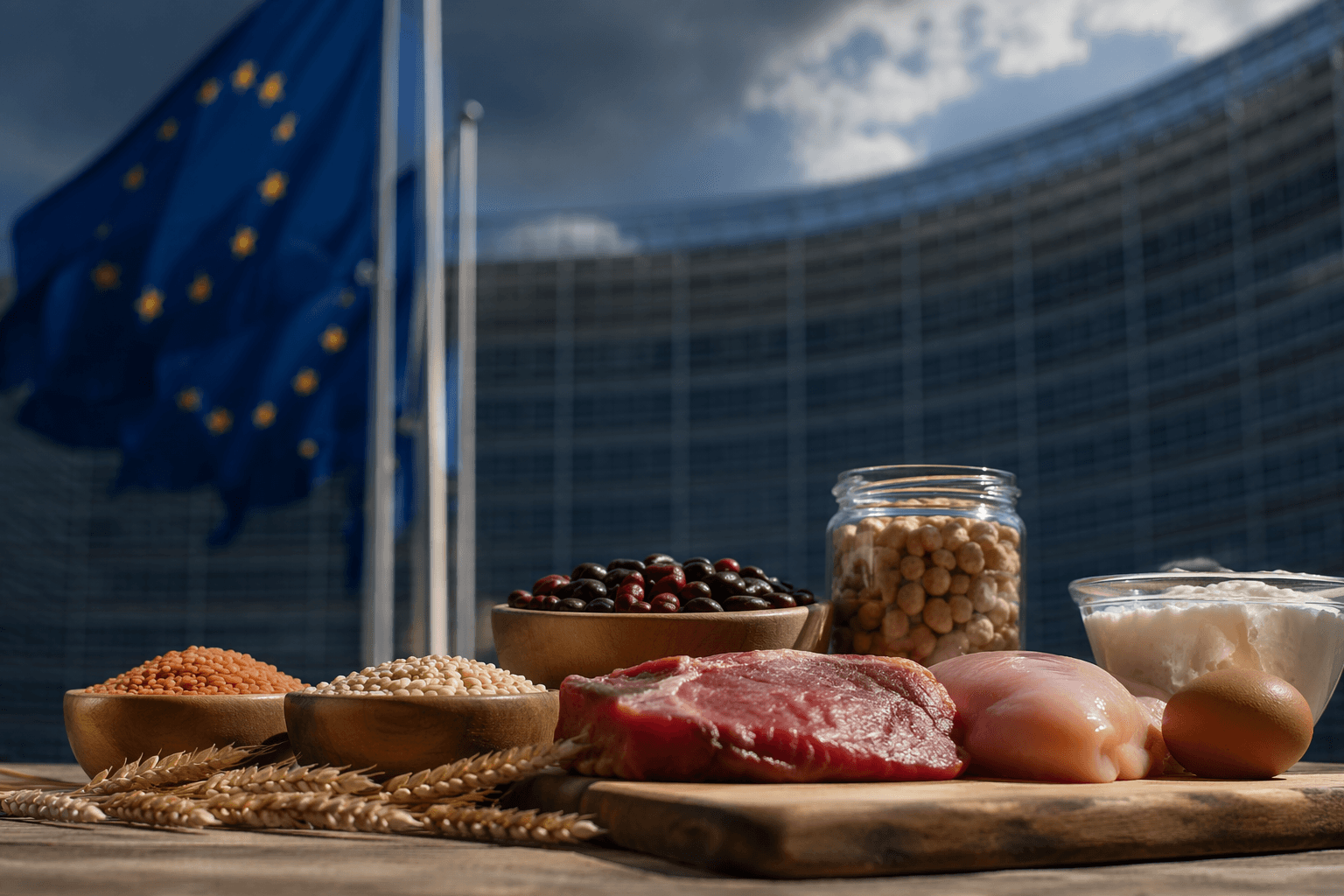
The EEA did not frame the answer as a fast pivot away from animal production. It described protein diversification as a gradual rebalancing of what Europe produces and consumes. The report said broadening the range of proteins could strengthen food security, improve resilience, enhance competitiveness and reduce environmental pressures, which puts the issue squarely in industrial policy as well as climate policy. For retailers, manufacturers and public buyers, the message is not that livestock vanishes. It is that protein portfolios become measurable policy terrain, the same way energy mix or crop output already are.
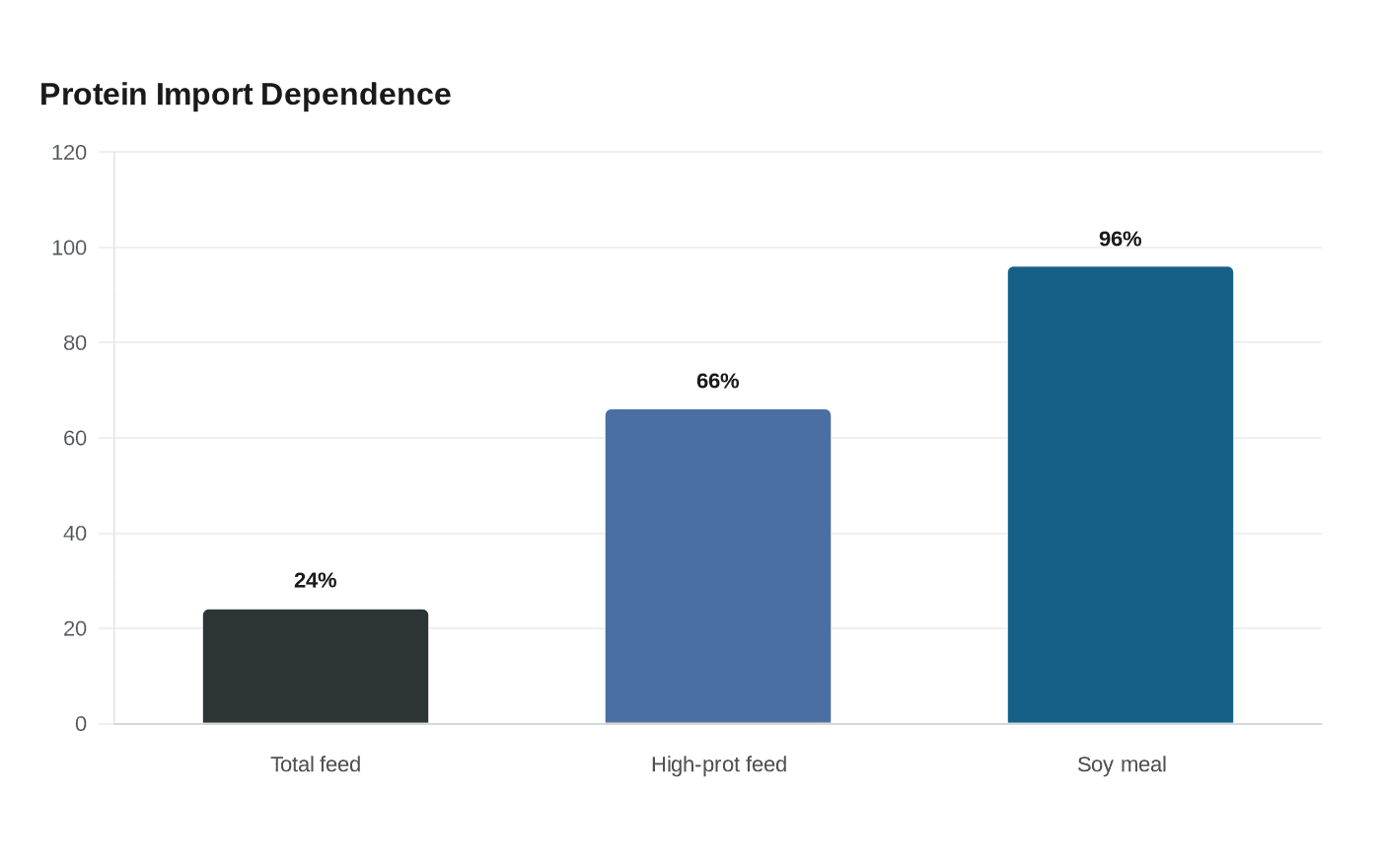
That logic tracks closely with the European Commission’s Joint Research Centre, which said in 2024 that joint changes in supply and demand are needed to improve sustainability and resilience. Its analysis modeled four scenarios: support for protein crops, changes in livestock feed practices, restructuring the livestock herd and a shift toward more plant-based diets. The numbers behind that work are hard to ignore. The EU livestock sector uses about 71 million tonnes of crude protein in feed each year, 24% of it imported. The Commission said 66% of high-protein feed is imported and 96% of soy bean meal comes from outside the EU.
The policy line has already started to move. On 24 May 2024, the Commission said EU self-sufficiency across all protein sources stood at 75%, protein-rich plant output reached 7.2 million tonnes of crude protein in 2023/24, up 28% over 15 years, and coupled income support for legumes and protein crops appeared in 20 CAP Strategic Plans. Supported area was projected to rise from 4.2 million hectares in 2022 to almost 7.1 million hectares in 2027. The EEA also said agriculture was responsible for around 94% of EU ammonia emissions in 2023, underlining that the protein debate now reaches air quality, water pollution and fertilizer use, not just climate targets.
This article was produced by Prism’s automated news system from verified source data, official records, and press releases, then run through automated quality and moderation checks before publishing. The system is built and supervised by the people who set the standards it runs under. Read our full AI policy.
Know something we missed? Have a correction or additional information?
Submit a Tip