Low-protein pescatarian diet extends mouse healthspan, boosts insulin sensitivity
A low-protein pescatarian diet made older mice leaner, more insulin-sensitive, and less frail without calorie cuts. It also undercuts the easy "more protein is always better" story.
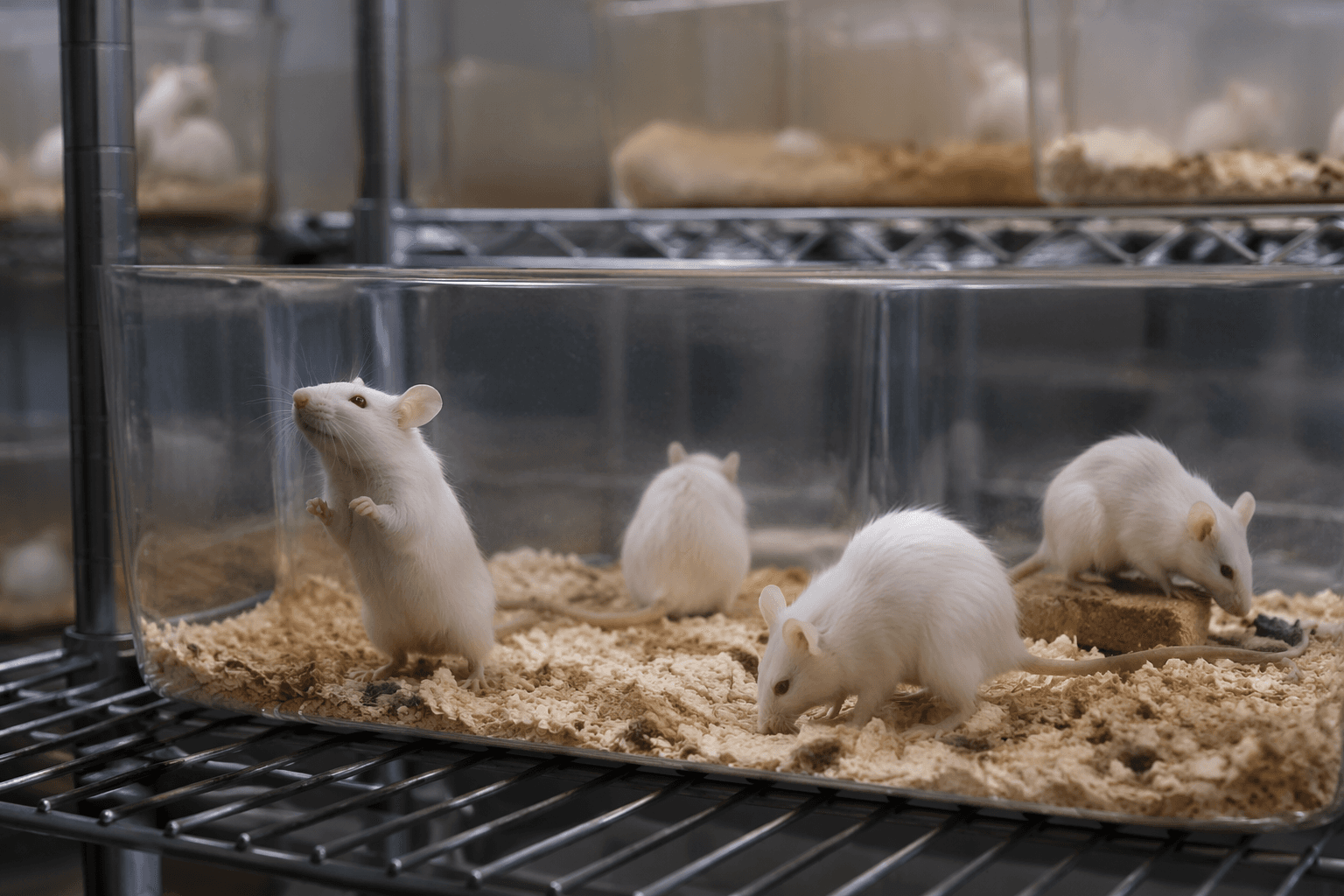
A low-protein pescatarian diet did something high-protein marketing rarely promises: it improved healthspan in old mice without calorie restriction. The USC-led paper, published in Cell Metabolism on June 23, 2026, pushes back on the idea that more protein is automatically better, and it gives Eric Topol fresh ammunition for a much less tidy protein debate.
What the mice were actually fed
The experiment used 20-month-old mice and split them into four groups: a standard diet, a Western diet high in fats and sugars, a low-carbohydrate ketogenic diet, and the low-protein methionine-supplemented longevity diet, or LDMM. The USC team of Fanti, Beth Newcomb, and MacArthur built the LDMM around a pescatarian pattern inspired by traditional dietary habits in places associated with exceptional longevity.
The LDMM group showed longer healthspan, less frailty, and lower fat mass, while also avoiding lean mass loss and not needing calorie restriction.
Why the signaling changes matter
Beyond the body-composition data, the LDMM diet increased growth hormone, FGF21, and GLP-1, a trio that points to a real change in metabolic signaling rather than a cosmetic change on the scale. It also improved cardiometabolic health and insulin sensitivity.
Mainstream nutrition messaging often treats protein as a universal good, especially for people worried about muscle loss with age. This study says the bigger picture is messier: the right pattern, with the right amino acid balance, may improve markers tied to aging without asking the body to pay the usual price in lean tissue.
The human data points in a different but related direction
The paper does not stop at mice. It also reviews cross-sectional epidemiological data from more than 200,000 men and women, and the highest animal-protein intake group tended to have a healthier lifestyle overall, yet still showed about double the prevalence of type 2 diabetes compared with the lowest intake group. The cross-sectional data do not establish causation.
The 2024 International Food Information Council Food and Health Survey found that 71% of Americans were trying to increase protein intake, up from 67% in 2023 and 59% in 2022. That is a huge consumer tailwind behind high-protein diets, protein-fortified snacks, and the whole “more is more” retail push.
Why animal versus plant protein is not the whole story
The obvious temptation is to turn this into a clean animal-protein bad, plant-protein good story. That is too simple, and the mouse literature already warned us about that. A 2021 Cell Metabolism study found that total protein, rather than whether the amino acids came from plant or animal sources, drove metabolic health effects in mice. That pushes the argument toward overall protein load and away from a neat source-only explanation.
Methionine is the other lever hiding inside that debate. The new LDMM pattern is low in protein but calibrated with moderate methionine, and that fits older rodent work showing that methionine restriction can extend lifespan and improve healthspan. A 2025 review in Cell Trends Endocrinology & Metabolism identified palatability, side effects, and individual variation as barriers to moving methionine restriction into human diets.
The longevity playbook behind the paper
This is also part of a longer USC longevity story. Valter Longo has spent years arguing for plant-based, strategic calorie restriction and fasting-mimicking approaches, and his earlier USC work showed that periodic fasting-mimicking cycles could counterbalance a poor diet in mice. The new LDMM findings fit that broader framework neatly: not maximal protein, not endless restriction, but a more deliberate pattern that changes the body’s response to fuel.
Topol, who is a professor and executive vice president at Scripps Research in San Diego, has framed the protein debate as part of a larger effort to separate evidence-backed longevity claims from hype. The USC study does not prove people should run out and slash protein across the board; it showed that LDMM-fed mice had longer healthspan, less frailty, lower fat mass, preserved lean mass, improved cardiometabolic health, and better insulin sensitivity.
This article was produced by Prism’s automated news system from verified source data, official records, and press releases, then run through automated quality and moderation checks before publishing. The system is built and supervised by the people who set the standards it runs under. Read our full AI policy.
Know something we missed? Have a correction or additional information?
Submit a Tip