Dairy case evolves into protein-rich hub for convenience and innovation
The dairy case is being recast as a protein-first destination, where convenience, trust, and meal-ready formats are worth real shelf space.

The dairy case is no longer a sleepy row of staples
The refrigerated aisle is turning into a retail battleground, and protein is the weapon of choice. National Frozen & Refrigerated Foods Association is using June Dairy Month to argue that the modern dairy case is about taste, nutrition, and versatility, not just milk, butter, and cheese parked beside the produce and meat departments.

That matters because dairy already has something newer protein categories are still chasing: trust. Shoppers think of dairy as familiar, family-friendly, and nutritious, which makes it easier for the case to bridge everyday eating and functional nutrition. In other words, the aisle is not just protecting the weekly grocery trip anymore, it is trying to own breakfast, snacking, portable meals, and the quick fix between them.
Why dairy has a protein advantage
NFRA’s January 2026 research made the logic even clearer: protein remains a primary driver in food and beverage decisions, while consumers are becoming more selective about processing and where nutrition comes from. That is a strong opening for dairy, because it already sits in the consumer mind as a natural protein platform rather than a manufactured one.
The category also wins on practical use. Milk, cheese, eggs, butter, and yogurt are still foundational household purchases, but the growth opportunity is in all the ways those basics can be stretched into more useful formats. Dairy can speak to weight management, muscle support, and busy lifestyles without feeling like a niche health product, which is exactly why retailers see it as more than a commodity aisle.
The clearest proof is in how shoppers use cheese. A 2025 dairy trend report found that one-third of U.S. consumers use cheese as a protein source instead of meat, which says a lot about how flexible dairy protein has become. That kind of behavior gives retailers permission to merchandise cheese not only as an ingredient, but as a protein choice with a legitimate role in meals and snacks.
The formats winning attention are built for the grab-and-go shopper
The products getting the most traction are the ones that solve an occasion quickly. High-protein yogurts, drinkables, cottage cheese, cottage-cheese hybrids, and meal solutions are all part of the same shift: the case is moving from simple sides and snacks to full meal solutions. NFRA made that point directly in an earlier consumer piece, and it called out cottage cheese and snack kits as categories younger shoppers see as ripe for reinvention.
That younger-shopper angle matters because reinvention is not just about taste, it is about use case. A tub of cottage cheese no longer has to behave like a background ingredient; it can be merchandised as a breakfast, lunch, or post-workout staple. Snack kits, meanwhile, fit the same logic by packaging convenience and protein in a way that looks far more current than a traditional single-serve dairy item.
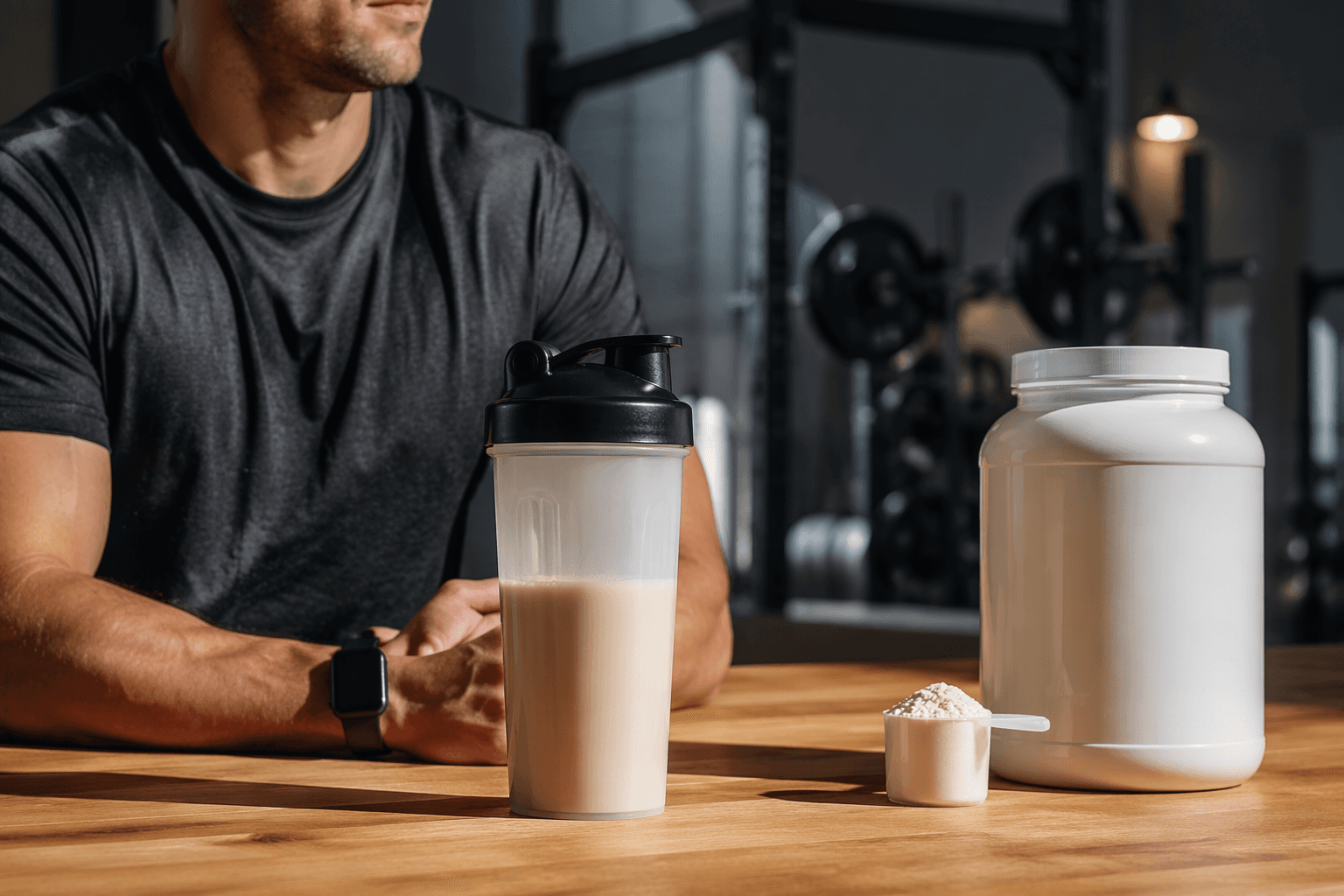
Yogurt drinks are another good example of where the shelf is heading. Industry trend reporting has pointed to ready-to-drink shakes, yogurts, powders, and bars as major dairy protein vehicles because consumers connect them with complete protein. Innova Market Insights has also noted that yogurt and yogurt drinks can fit into the daily diet in the morning, especially when the messaging is on-the-go, which is exactly the kind of behavior retailers can build around at shelf.
Convenience, flavor, and format are now part of the protein story
NFRA’s June Dairy Month campaign is not only celebrating familiar foods, it is explicitly tying the modern dairy aisle to globally inspired flavors, convenient meal solutions, and emerging product innovation. That is a more aggressive retail pitch than simply saying dairy is healthy. It tells shoppers, and category managers, that protein is only part of the value proposition; the rest is about making the aisle easier, more relevant, and more satisfying to shop.
The association’s campaign page says the promotion is about the taste, nutrition, and versatility of the modern dairy aisle, with products that fit every lifestyle and health goal, from traditional staples to on-trend items like juices, refrigerated doughs, and dips. That broader framing matters because it shows how dairy can live at the intersection of everyday reliability and novelty, which is where retailers make margin and build repeat trips.
For suppliers, that means formulation alone is not enough. The bigger opportunity is merchandising and occasion-building, where a product can be positioned as breakfast fuel, a desk snack, a family staple, or a quick meal solution without needing a full reinvention of the category. The dairy case is being asked to do more jobs at once, and the brands that win will be the ones that make the shopping trip feel easier, not more complicated.
June Dairy Month is becoming a retail argument, not just a seasonal nod
NFRA’s broader annual promotions tell the same story. Alongside June Dairy Month, the association also runs ReDiscover Dairy, March Frozen Food Month, and Summer Favorites Ice Cream & Novelties, which shows a sustained effort to keep frozen and refrigerated categories in front of consumers all year. NFRA, a national trade association representing the frozen and refrigerated foods industry, is clearly treating dairy as part of a larger refrigerated portfolio, not a stand-alone nostalgia play.
That positioning is smart because it matches how shoppers actually behave. They are looking for products that feel useful, trusted, and easy to justify, especially when protein is the goal and convenience is non-negotiable. The modern dairy case answers that with a mix of staples and format innovation that can serve a morning routine, a lunchbox, or a last-minute dinner rescue.
The real shift is that the refrigerated aisle now functions like a protein-and-convenience hub, not just a storage zone for basics. Dairy still sells milk and butter, but the category is increasingly defined by the products that make everyday eating faster, more flexible, and more functional. That is why retailers keep giving these shelves more attention, and why the next round of growth will come from the formats that make protein feel as ordinary as a trip to the dairy case.
This article was produced by Prism’s automated news system from verified source data, official records, and press releases, then run through automated quality and moderation checks before publishing. The system is built and supervised by the people who set the standards it runs under. Read our full AI policy.
Know something we missed? Have a correction or additional information?
Submit a Tip