Dairy giants pivot to protein and cheese as milk growth slows
Milk growth is cooling, and the profit is shifting to whey, cheese and protein-rich dairy lines. The winners will be the companies that turn less milk into more value.
The biggest dairy companies are chasing a narrower, better-paying slice of the business: whey, cheese and protein ingredients. Rabobank’s Q2 2026 outlook puts Big 7 milk production growth at about 1% in 2026, down from 3.1% in 2025, with output expected to peak in Q2, flatten in Q3 and contract in Q4. That is the clearest sign yet that the old playbook of pushing more raw milk through the system is giving way to a profit-pool strategy built around higher-margin dairy components.
The new profit pool
The pressure behind that pivot is not subtle. Rising input costs, weather risk, regulatory pressure and geopolitical uncertainty are squeezing margins across the dairy chain, and the broad commodity model is taking the hit first. In that environment, cheese and whey look better because they sit closer to what consumers are actually buying: protein, functional nutrition and premium formulations. The trade data fit the same pattern. Rabobank says global dairy price gains have been led by skim milk powder, while cheese and butter remain below 2025 levels because supply is still adequate.
That split matters. It tells you the market is no longer rewarding every liter of milk equally, and it is rewarding the liters that can be fractionated, standardized and sold into stronger end markets. When milk growth slows, processors have to extract more value from each stream, which puts cheese vats, whey plants and protein lines in the strategic center of the business. The companies that can run that system well will have more insulation when commodity pricing swings back the other way.
Protein has moved from niche to center aisle
CoBank’s numbers show how far protein has moved beyond the gym-bottle crowd. Sales of ready-to-drink dairy nutritionals and protein shakes have grown 74% in four years, and McKinsey’s 2026 dairy executive survey found protein was the most influential consumer demand trend for 88% of U.S. dairy executives. That is not a side story anymore. It is a demand signal that reaches everyday food and beverage innovation, from on-the-go nutrition to medical nutrition and the protein-heavy products now shaped by GLP-1 medication use.
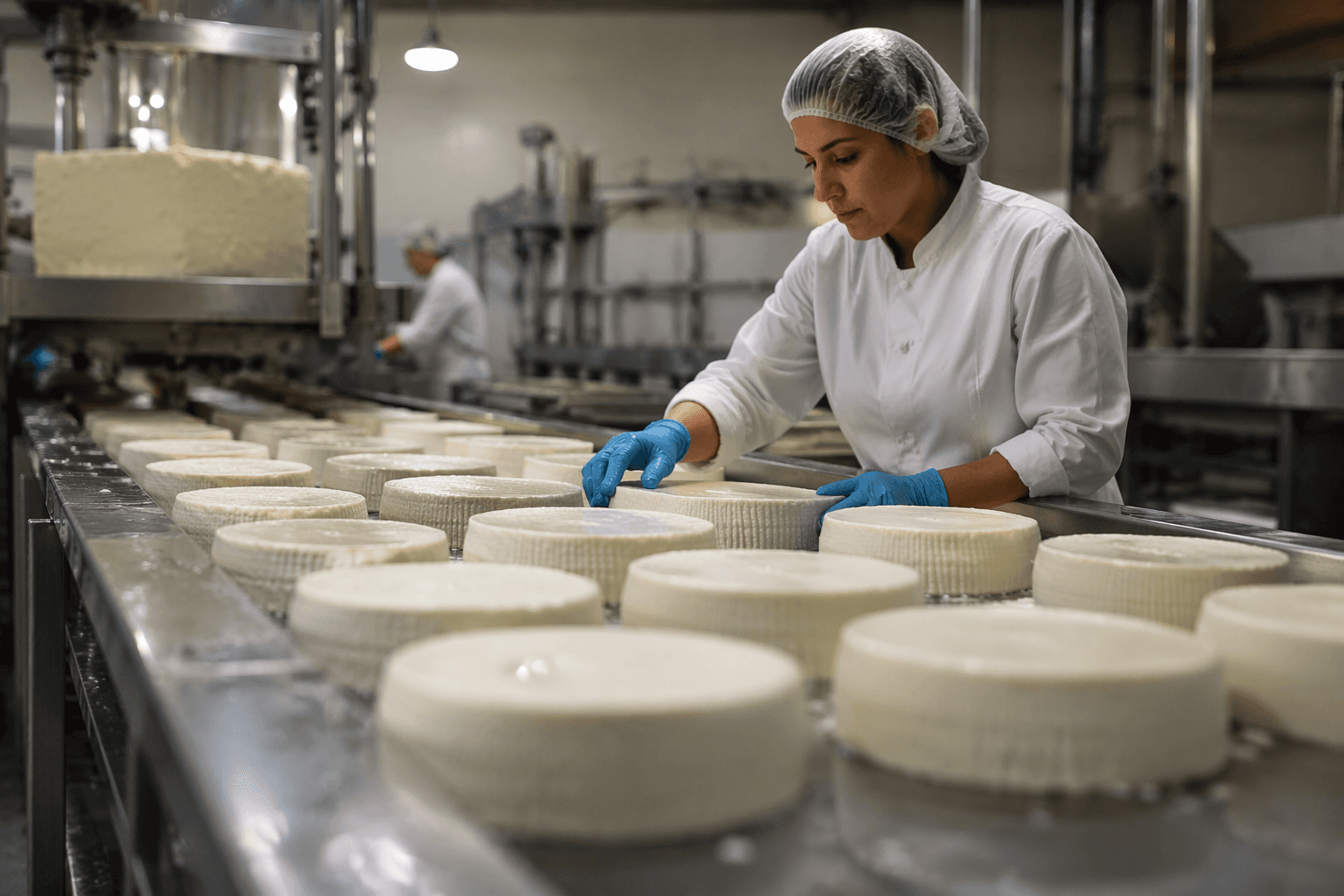
The export side of the business is reinforcing the same shift. The U.S. Dairy Export Council says the United States sent more than 17% of its 2025 milk production overseas last year, and U.S. suppliers set records for cheese, butterfat and high-protein whey exports. That is a useful clue for where the value is accumulating: not in raw milk alone, but in the parts of the tank that can be turned into ingredients and branded formulations with better pricing power.
Why whey is such a strong signal
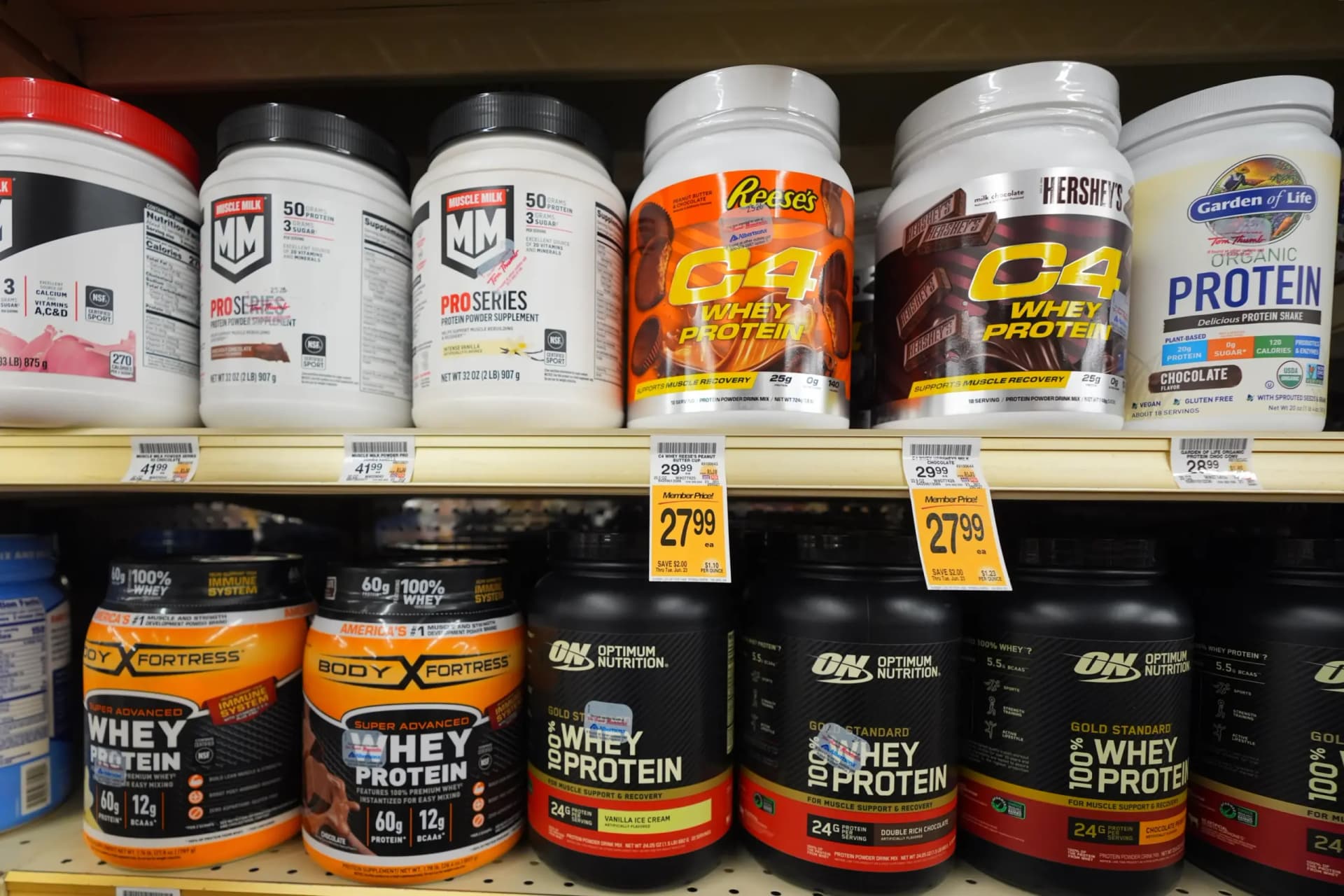
Whey is the best example of where this industry is headed. USDA-linked market reporting says the United States is the largest single-country producer and exporter of whey in the world, and that milk protein concentrate production has been increasing in recent years. The same reporting says WPC80 and whey isolate inventories are very tight, with demand robust and prices under upward pressure. In practical terms, that means processors are not just making more whey products; they are making tighter, more valuable whey products.
This is where the business model starts to change. A plant that once treated whey as a low-value byproduct now has an incentive to build around separation, concentration and specification control. The prize is not simply volume, but the ability to route more milk into high-protein ingredients that can feed sports nutrition, active nutrition and medical nutrition. If you are buying dairy ingredients for formulation work, that shift means more competition for the best specs and less patience for commodity-grade fill.
The capital is following the margin
Recent investments show the direction of travel in concrete terms. Fonterra has announced a $75 million expansion of its Studholme site in New Zealand to create a hub for high-value protein products. DMK Group has announced a €55 million investment in its Edewecht plant in Germany, including about €26 million for a new WPC80 facility. Those are not token upgrades. They are bets that the highest-return dairy growth sits in protein ingredients, not in simply milking more cows.
The corporate reshuffling in Europe underlines the same point. Arla Foods and DMK Group officially united on June 1, 2026, creating Europe’s leading dairy cooperative. In a market where scale still matters, that kind of combination makes sense only if it improves access to milk, processing capacity and ingredient channels that can command better pricing. Big cooperatives are not just growing for size anymore. They are consolidating around the parts of the portfolio that can earn more per kilogram.
What this means for farmers, processors and buyers
For farmers, the message is blunt: volume still matters, but component value matters more. Milk that can deliver better protein, fat and solids will have a stronger claim on processor attention than undifferentiated supply alone. For processors, the challenge is execution. They need reliable feedstock, tighter cost control and the right technology to turn milk streams into cheese, whey and protein-rich ingredients without wasting capacity.
For retail and foodservice customers, the dairy aisle is getting more selective and more premium. Suppliers are chasing categories that can pay for performance, taste and functionality, which means more pressure on formulators to justify every dairy inclusion by what it does in the final product. The old business model built on broad commodity output is losing ground. The next phase of dairy growth belongs to companies that can make less milk do more work.
This article was produced by Prism’s automated news system from verified source data, official records, and press releases, then run through automated quality and moderation checks before publishing. The system is built and supervised by the people who set the standards it runs under. Read our full AI policy.
Did this article answer your question?