Meat and Poultry Can Win the Protein Battle With Clearer Value Messaging
Meat still has the protein edge, but only if grocers make the value obvious in the case, online and at shelf.
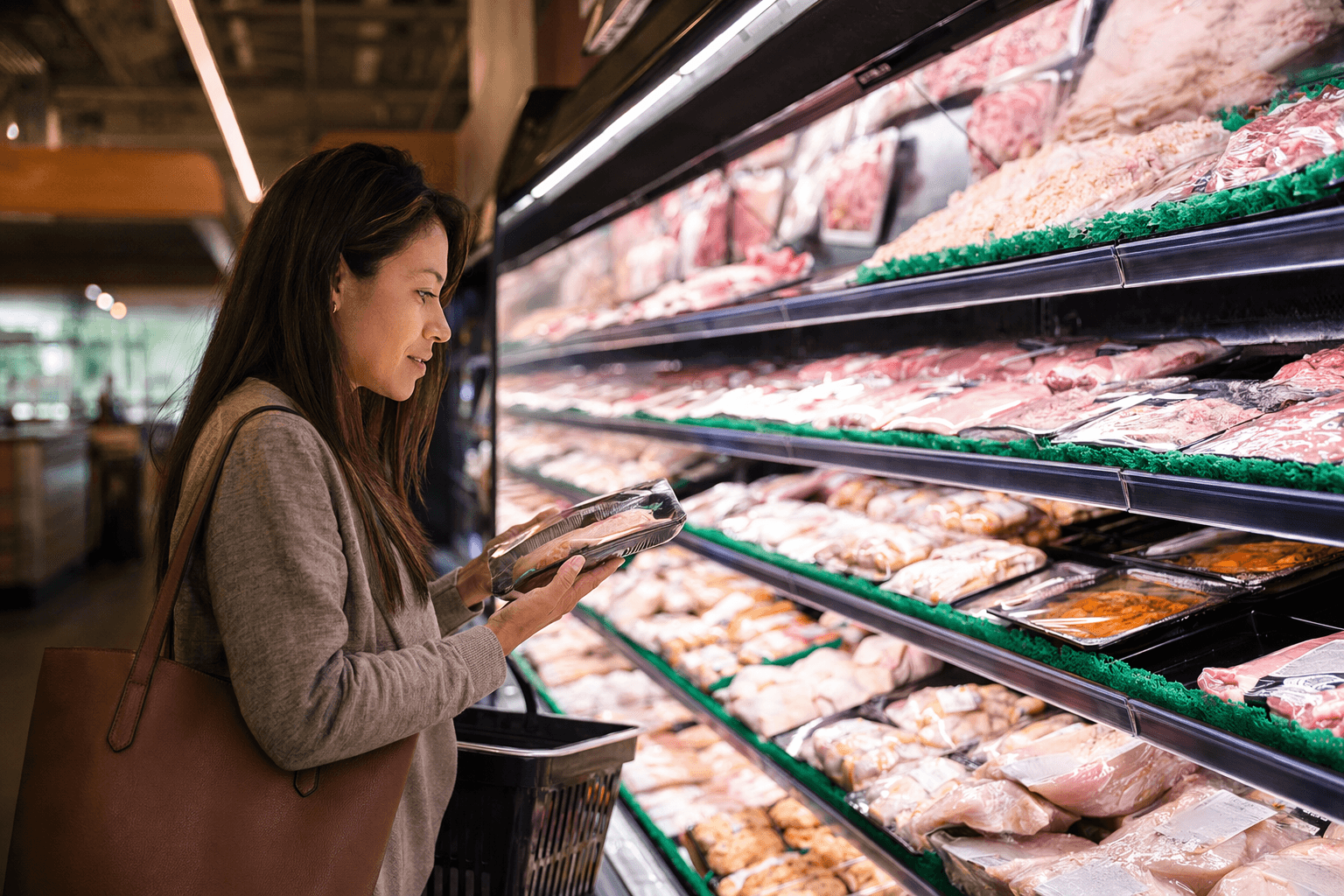
Meat is not losing the protein war on nutrition. It is losing, or at least risking, the battle for attention, because shoppers now see protein everywhere: in bars, shakes, powders, fortified bread and pasta, and the usual dairy-and-snack suspects. That makes the meat case a merchandising challenge as much as a sourcing one, and it puts a premium on clearer value messaging, better meal solutions and sharper communication about price per protein.
Protein is the new language of the grocery aisle
The starting point is demand. FMI and the Meat Institute found that 92% of consumers say getting enough protein is very or somewhat important, and 42% say they focus more on protein now than they did five years ago. Numerator’s view of the market reinforces that shift, with 78% of U.S. households paying at least some attention to protein in their diets. In other words, protein is no longer a niche wellness signal. It is a mainstream shopping filter.
That matters because the competitive set has widened far beyond traditional meat alternatives. Shoppers can satisfy a protein goal with eggs, cheese, yogurt, nuts, bars, shakes, powders and fortified foods. Meat and poultry are not just competing with each other for the same dinner slot. They are competing against a broad definition of convenience, especially products that make their protein content easy to see at a glance.
The meat case needs to think like a functional-food shelf
Protein bars and ready-to-drink beverages have an advantage that meat departments often fail to match: they are built around a simple promise. The grams are obvious, the benefit is immediate and the package does the talking. The lesson for grocers is not to copy the bar aisle, but to borrow its clarity. If the shelf tag, digital ad or display cannot quickly answer why this cut, pack size or bundle is the right protein buy, the shopper is likely to move on.
That means meat marketers have to communicate more like functional-food marketers. Short-form video, digital media and strong in-store signage can highlight the protein value of specific cuts and pack sizes, especially when they are paired with meal occasions. The message has to be visible before the shopper ever stands in front of the case, and it has to stay consistent once they get there. Empty shelves, poor organization and weak displays can erase the effect of even the best campaign.
Value needs to be measured in more than price per pound
A protein-heavy shopping trip is not just about what costs less on the shelf. It is about what delivers more usable nutrition, more meal coverage and more confidence that the purchase will solve dinner without waste. That is why price-per-protein communication deserves more attention in meat merchandising. When shoppers compare chicken breasts, ground beef, pork chops or family packs, they are not only comparing pounds. They are comparing how much protein they can put on the table for the money.
This is where meal solutions become a category defense. Bundles that tie meat and poultry to sides, sauces or recipe prompts can turn a commodity decision into a meal decision. A shopper who sees how a pack supports a few dinners, not just one transaction, is more likely to see value in meat as a whole-food source of protein rather than as a cost line item. The category’s advantage is authenticity: it provides protein in a form that is minimally processed and familiar, not engineered around a supplement-style claim.
The numbers show meat still has enormous reach
The meat department is not fighting from a weak position. FMI’s Power of Meat 2026 report says the department hit a record $112 billion in sales in 2025, with dollar sales up 6.8% and pounds up 2.0%. More than 98% of American households purchase meat, according to Circana data cited by the Meat Institute, and 45% of shoppers are actively trying to prepare more meals containing meat or poultry. That is a huge base to defend, but it also raises the stakes for making each visit easier to understand and easier to execute.
Consumer sentiment also favors the category, but not automatically. The same report says 77% of shoppers agree meat and poultry are part of a healthy diet, up more than 20% since 2020. Among households with teens, 72% say their teens request meat and poultry, far ahead of requests for protein bars, shakes and powders. That is a powerful sign that meat still owns the dinner table, but it also shows how fast protein language is spreading across age groups and purchase occasions.
Health guidance explains why the shelf has become crowded
Federal nutrition guidance helps explain why the protein aisle feels more crowded than it used to. USDA’s Dietary Guidelines for Americans recommend a variety of protein foods from both animal and plant sources, and MyPlate groups meat, poultry, seafood, eggs, beans, peas, lentils, nuts, seeds and soy together as protein foods. Meat is no longer presented as the default answer. It is one credible answer inside a much broader protein mix.
That shift does not weaken meat’s case, but it does change how the case should be merchandised. The National Academies’ adult protein reference, 0.8 grams per kilogram of body weight per day, gives shoppers a concrete benchmark that can drive the search for high-protein foods. At the same time, the American Heart Association advises lean and unprocessed meat and poultry for people who choose animal proteins, which means retailers need to be careful about health framing. The strongest message is not that meat is the only healthy protein. It is that it is a familiar, versatile one that fits within a balanced diet when presented honestly.
Digital discovery is pulling younger shoppers toward protein before they reach the case
The next merchandising frontier starts online. FMI and the Meat Institute found that 24% of Gen Z and Millennial shoppers use AI tools for meal inspiration, compared with 10% of Gen X and 4% of Boomers. That means younger shoppers may arrive at the store already influenced by digital meal ideas, search prompts or AI-assisted planning before they decide what to buy. If meat and poultry are not part of those digital journeys, the department is missing an early decision point.
Cargill’s 2025 Protein Profile points in the same direction. It found that 61% of consumers increased protein intake in 2024, up from 48% in 2019, and more than 75% of people typically include animal protein in their evening meals. It also found that Millennials and Gen Z are pushing protein beyond traditional meals into snacks, bars and handheld formats, and that 57% of label readers check protein content. The takeaway for grocery is clear: protein is now a cross-occasion behavior, and meat wins when it is positioned as a flexible, credible source that can compete from dinner through the rest of the day.
The merchandising answer is discipline. Keep the case full, keep the organization clean, make protein value obvious and connect the product to the meal. Meat and poultry do not need a new identity to win the protein battle. They need a sharper way to tell shoppers why their value is real, immediate and worth choosing over the crowded field of protein claims now filling the store.
This article was produced by Prism’s automated news system from verified source data, official records, and press releases, then run through automated quality and moderation checks before publishing. The system is built and supervised by the people who set the standards it runs under. Read our full AI policy.
Did this article answer your question?