Red algae protein slashes hantavirus infection, may aid outbreak response
A red-algae protein cut hantavirus infection by 95% in cells and protected 80% of mice, pushing Griffithsin closer to outbreak-ready antiviral use.
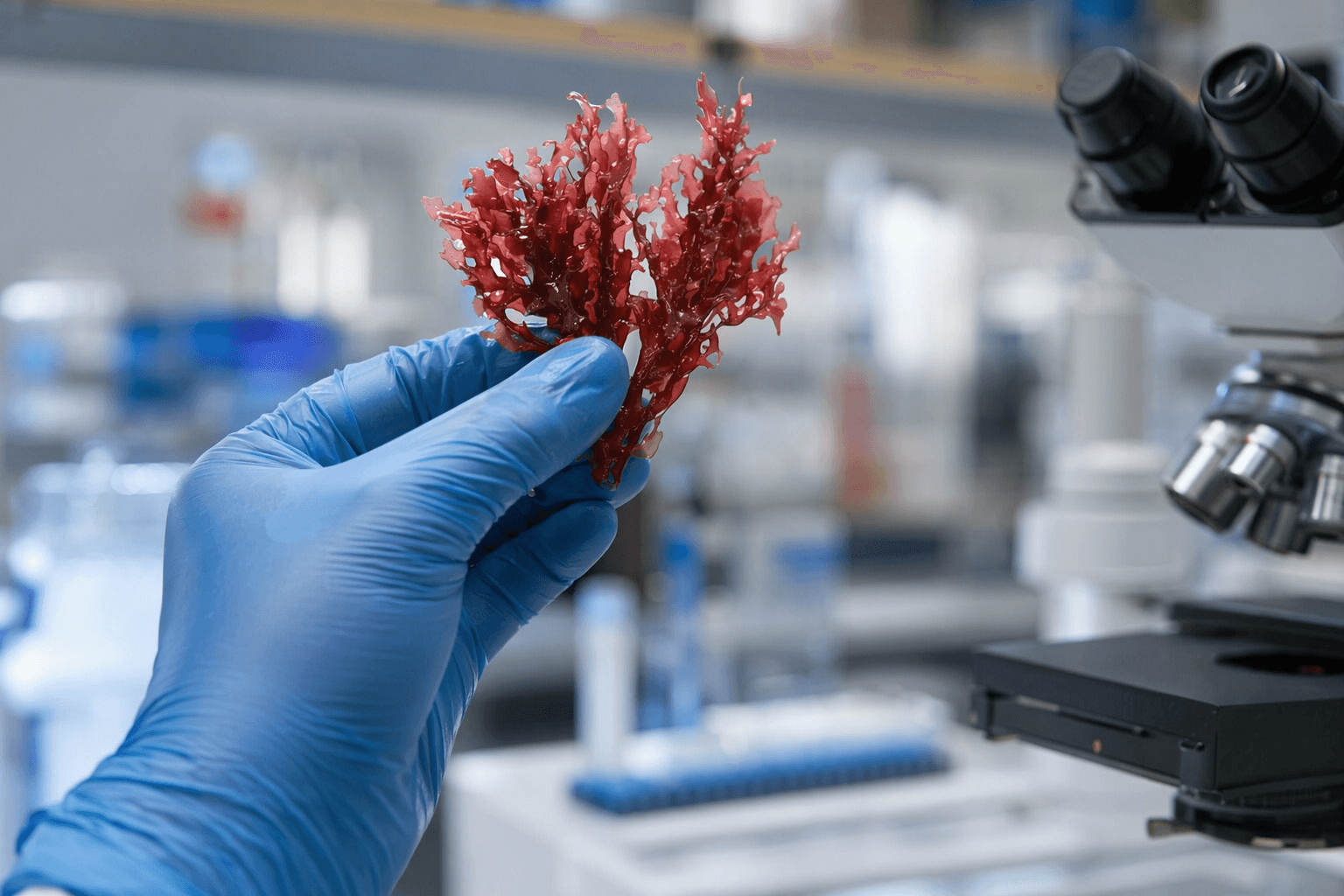
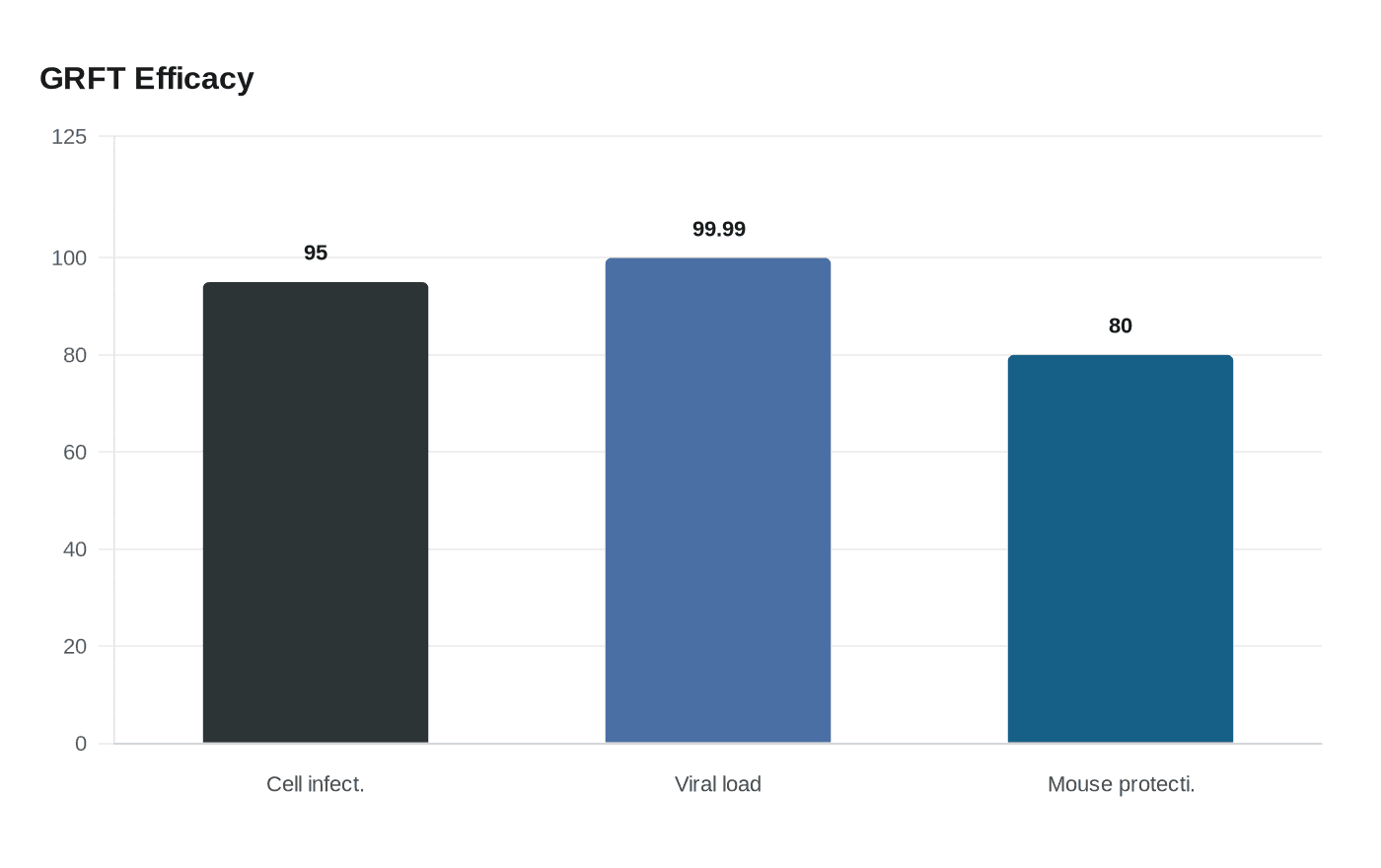
A protein pulled from red algae is looking less like a lab curiosity and more like a platform worth watching for hantavirus response. Griffithsin, or GRFT, knocked down cell infection by 95%, reduced viral load by more than 99.99%, and protected 80% of mice from lethal exposure, a step-change that puts real translational pressure on a virus family with no approved therapies for Hantaan virus and several other hantaviruses.
The 2022 work showed GRFT blocked Hantaan virus entry into host cells by binding viral N-glycans. In vitro, it prevented authentic HTNV infection, and in vivo it gave partial protection to suckling mice after intracranial HTNV exposure. That matters because HTNV causes hemorrhagic fever with renal syndrome, a zoonotic disease endemic in East Asia, especially China, where acute illness can bring fever, hemorrhage and acute kidney injury and can carry mortality as high as 15%.
The timing has sharpened the interest. The World Health Organization said on May 8, 2026, that eight cruise-ship cases had been reported on the MV Hondius, including three deaths, with six laboratory-confirmed Andes virus infections and four patients hospitalized, one in intensive care. The agency said the public health risk was low, but warned more cases could still emerge because of the incubation period. The Centers for Disease Control and Prevention said it was responding to the outbreak in the Atlantic Ocean and said the overall risk to travelers and the American public remained extremely low.
Hantaviruses are not one-size-fits-all threats. In the Americas, hantavirus cardiopulmonary syndrome can have a case fatality rate as high as 50%, according to the WHO. The same agency says Andes virus is the only hantavirus known to have documented limited human-to-human transmission, which is why a cruise-ship cluster got immediate attention even as officials stressed that no U.S. cases had been reported from it.
GRFT is not starting from zero. The lectin was isolated from Griffithsia species of red algae and has already been evaluated in phase 1 clinical trials as a topical microbicide for HIV prevention. Researchers have also reported that a synthetic trimeric version, 3mGRFT, was more potent than GRFT against Andes virus and Sin Nombre virus in cell culture. That gives the field a useful next question: whether a known antiviral scaffold can be turned into something deployable for outbreak settings, with the right dosing, formulation and safety profile to match the speed of hantavirus spread.
Know something we missed? Have a correction or additional information?
Submit a Tip