Netherlands cuts meat, cheese guidance, boosts plant-based foods
The Dutch food wheel now asks adults to eat 250 grams of legumes a week while cutting meat and cheese, a shift likely to reshape menus and retail.
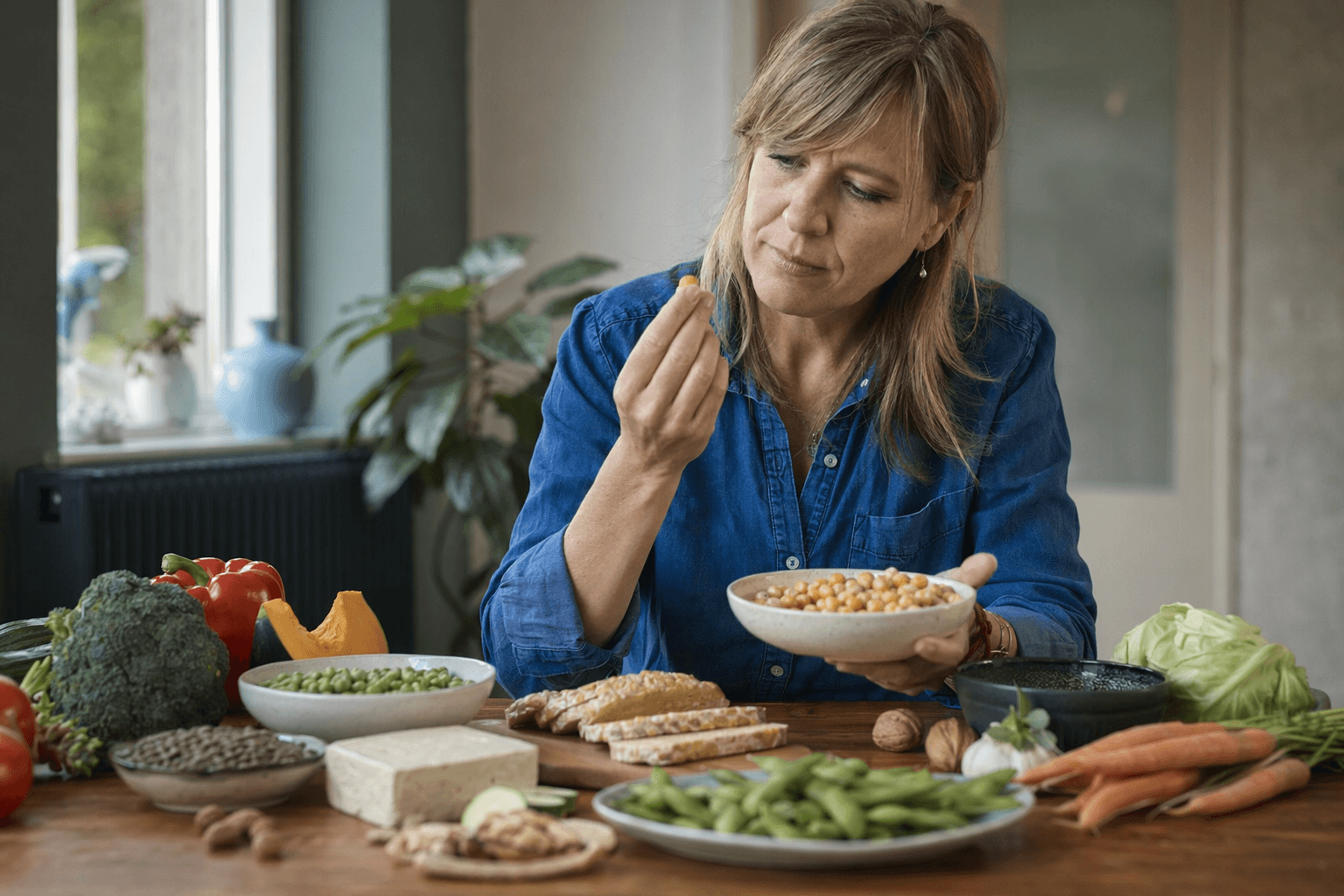
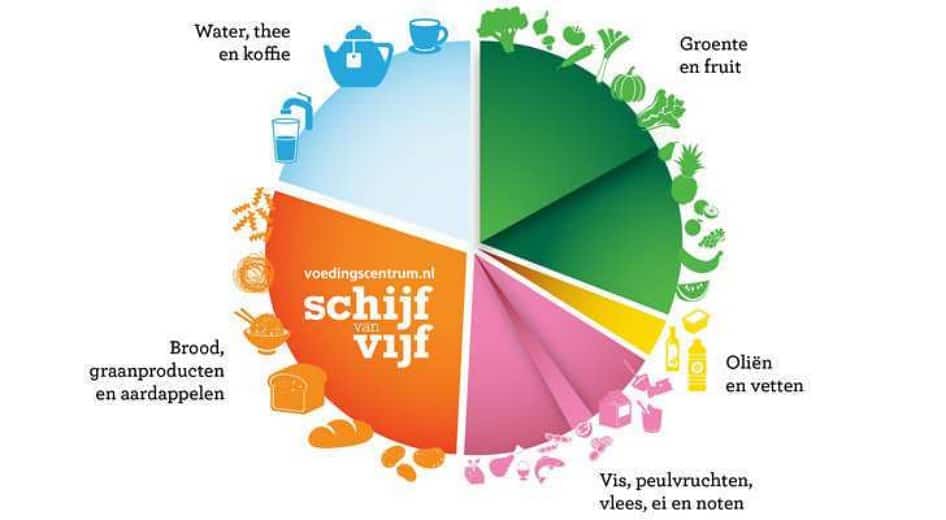
The Netherlands has pushed its official food advice deeper into plant-based territory, and the change is likely to reach far beyond home kitchens. When the Netherlands Nutrition Centre presented the updated Schijf van Vijf on April 9, it lowered meat and cheese recommendations, raised legumes, and sent a clear signal to retailers, caterers, hospitals, schools, and food developers that protein diversification is now a public-health priority, not a side trend.
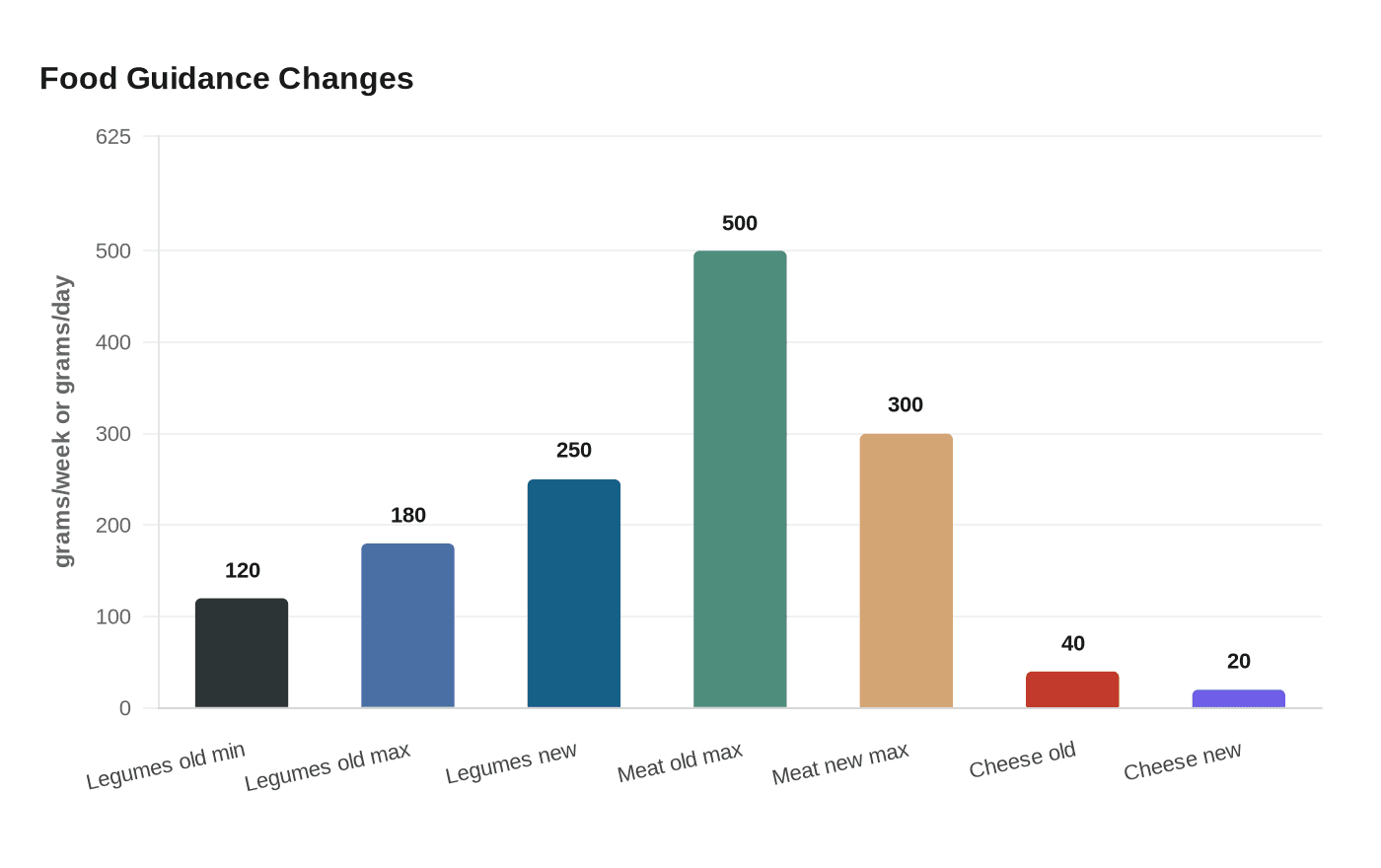
For adults ages 18 to 50 who eat both meat and fish, legumes rose from 120 to 180 grams a week to 250 grams a week. Meat fell from a maximum of 500 grams a week to 300 grams, with no more than 100 grams of that coming from red meat. Cheese dropped from 40 grams a day to 20 grams, and the new advice says people should alternate between dairy and fortified dairy alternatives.
The shift followed a new advisory report from the Health Council of the Netherlands on December 4, 2025. The council said the last full version of the Dutch dietary guidelines had been published in 2015, and that the updated review covered protein sources including legumes, nuts, dairy, fish, meat, eggs, and meat substitutes and dairy substitutes. It said the recommendations were based mainly on prevention of chronic diseases such as cardiovascular disease, type 2 diabetes, and cancer, while also weighing environmental impact more extensively than before and considering food safety.
The Nutrition Centre said the Wheel of Five still keeps the same five food groups, but the biggest changes are in the recommended amounts, especially in the protein-rich section. It recalculated the guide with RIVM, taking into account health needs, greenhouse gas emissions, water use, and exposure to harmful substances such as PFAS and heavy metals. The organization also said the guide can be personalized by age, sex, and dietary preferences, with options for people who eat meat, fish, both, or a fully plant-based diet.
That framing matters because Dutch food guidance is used as a practical benchmark in procurement and reformulation. A menu planner in a public canteen, a supermarket buyer, or a protein startup pitching a new product can now read the official signal the same way: more legumes, more nuts, more plant-rich meals, and less reliance on meat and cheese as default proteins.
The update also landed in a politically sensitive climate. Some right-wing politicians criticized it as “moralistic” and “activist,” while Petra Verhoef, the Nutrition Centre’s director, has stressed that government, producers, and suppliers strongly shape what ends up on the plate. In the Netherlands, that makes the new wheel more than nutrition advice. It is a market cue, and a durable one.
This article was produced by Prism’s automated news system from verified source data, official records, and press releases, then run through automated quality and moderation checks before publishing. The system is built and supervised by the people who set the standards it runs under. Read our full AI policy.
Did this article answer your question?