Solar Foods wins €350,000 to expand Solein production in Finland
Solar Foods secured €350,000 from BalticSeaH2, tying Solein’s next production step to Europe’s larger hydrogen valley buildout in Finland.
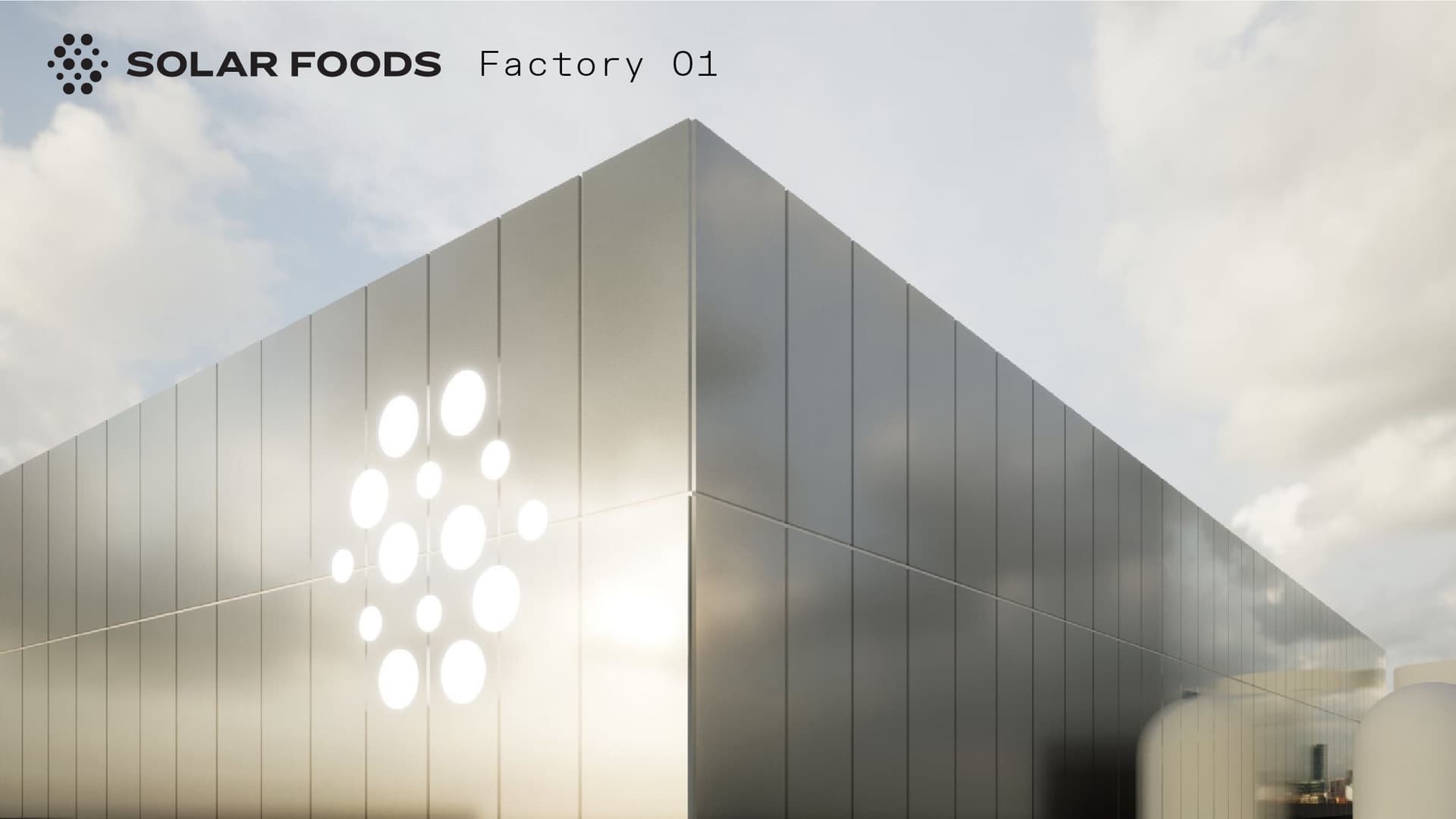
Solar Foods has taken a small but strategically loaded step toward larger-scale protein manufacturing, securing €350,000 from the BalticSeaH2 initiative to further develop Solein production at Factory 01 in Finland. The money matters less as a stand-alone grant than as a sign that food protein is being folded into Europe’s hydrogen infrastructure buildout, where hydrogen and carbon dioxide are treated as industrial feedstocks, not just climate talking points.
That shift is already visible at Factory 01. Solar Foods said the plant reached its productivity targets in October 2025 and can now run at its full design capacity of 160 tons of Solein a year after producing continuously for eight months through gas fermentation. The company also said it plans to expand Factory 01’s design capacity to 230 tons annually during 2026, a useful test of whether the process can move beyond an early commercial demonstration and into something closer to repeatable industrial output.
BalticSeaH2 gives that effort a broader backbone. The five-year project began in June 2023 and runs until May 31, 2028, with total project costs listed at €33 million in EU records. Built around 40 partners in nine countries around the Baltic Sea, the consortium aims to establish the first large-scale interregional hydrogen valley in Europe, with Finland and Estonia forming the core cross-border corridor. Hydrogen-linked food production is one of more than 20 industrial use cases in the project, underscoring that ingredients, power systems and industrial process heat are being planned together.
For Solar Foods, that context could matter as much as the grant itself. Solein production uses hydrogen and carbon dioxide as its main raw materials, so access to clean hydrogen, industrial utilities and policy support shapes the economics of scale-up as much as consumer demand does. The practical question now is whether this kind of public-backed infrastructure can help bring down production risk fast enough to improve cost per kilo and support larger output.
The next milestones are clear. Solar Foods has chosen Lappeenranta as the site of Factory 02, its first industrial-scale facility, and said the plant is targeted to start operating in 2028, with a final investment decision expected during 2026. The company also has regulatory traction on its side: Solein received its first novel food approval from the Singapore Food Agency in September 2022, making Singapore the first market where it could be imported, manufactured and sold in food products. Solar Foods and Fico followed that with the world’s first official Solein tasting in Singapore in May 2023.
This article was produced by Prism’s automated news system from verified source data, official records, and press releases, then run through automated quality and moderation checks before publishing. The system is built and supervised by the people who set the standards it runs under. Read our full AI policy.
Did this article answer your question?