Fermentation improves odor of ryegrass protein and bread crust blend
The big advance here is sensory, not just nutritional: fermentation made ryegrass protein smell more usable, which is a major hurdle for novel green proteins.
The real unlock in this ryegrass experiment was not a bigger amino-acid number. It was odor. By fermenting surplus bread crusts mixed with crude perennial ryegrass protein, researchers showed a route to making a forage-derived protein look less like a lab curiosity and more like something a food company could actually work with.
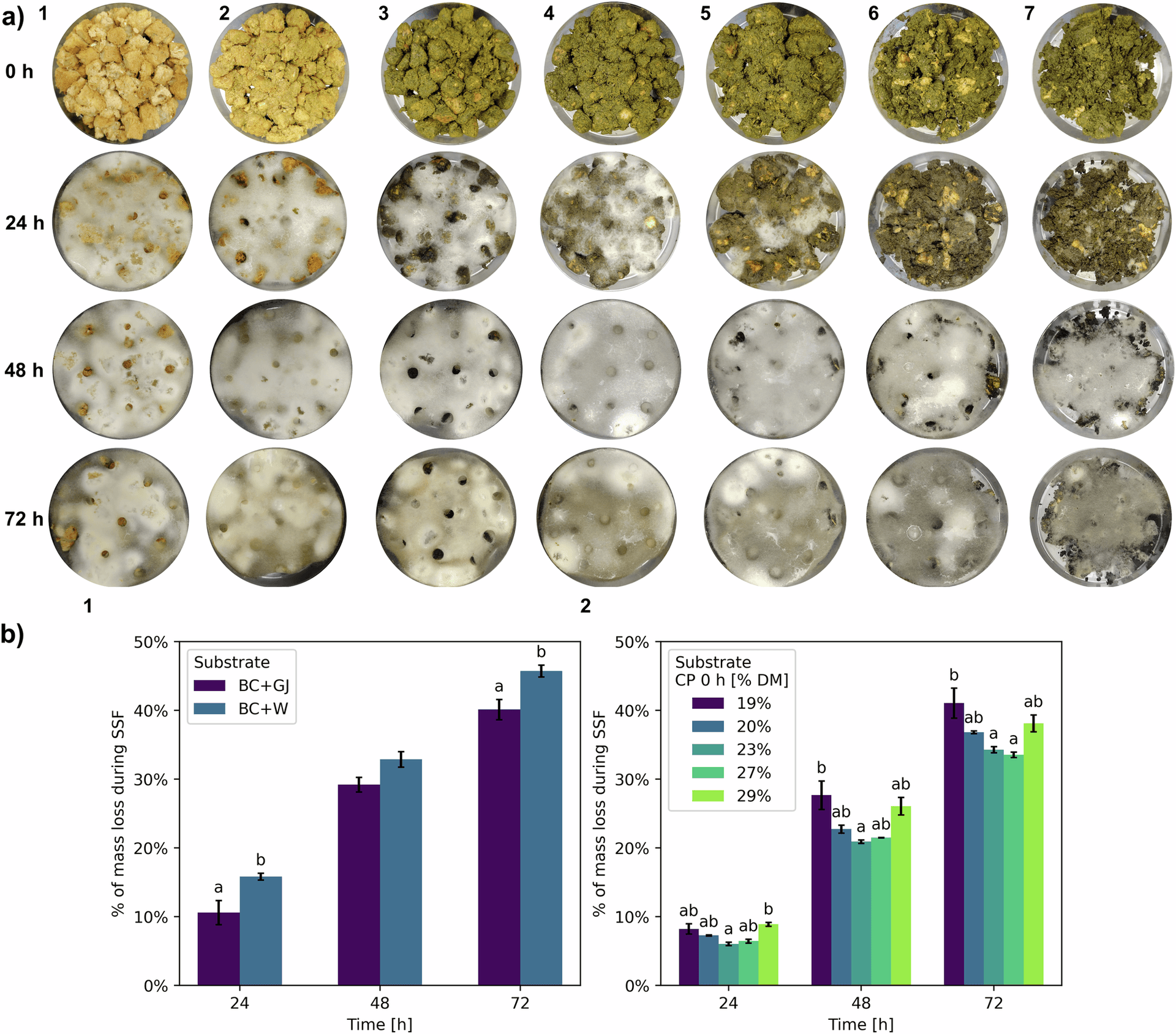
The open-access paper, published April 24, 2026 in npj Science of Food, tracked solid-state fermentation for up to 72 hours with Rhizopus oligosporus, Aspergillus oryzae and Neurospora intermedia. Juan F. Sandoval, Jane K. Parker, Joe Gallagher, Julia Rodriguez-Garcia, Kerry Whiteside and David N. Bryant identified more than 150 volatile compounds across the process, using that chemical map to show how fungi reshaped the substrate’s smell profile. For an ingredient category that often stalls on off-notes long before it reaches the shelf, that is the practical breakthrough.
The feedstocks matter as much as the microbes. Bread crusts are a major food-waste stream, and perennial ryegrass is still mostly treated as a forage crop, even though separate 2025 work put its crude protein content at roughly 6% to 16%. A 2025 review also argued that processing grass directly for human consumption could turn a protein-rich biomass stream into something usable beyond livestock feed. This paper pushes that idea further by pairing ryegrass protein with a waste-linked scaffold that fungi can work on.
It is also the follow-on to the team’s November 16, 2024 study, which already had a commercial angle. That earlier paper showed that solid-state fermentation of surplus bread crusts and perennial ryegrass with Rhizopus oligosporus cut starch by up to 89.6% while raising total amino acids by up to 141.9% and essential amino acids by up to 54.5%. It also put hard numbers on the waste problem, noting that 185 million tons of bread were manufactured in 2023 and about 10% was wasted. The new paper broadens the case from nutritional improvement to sensory acceptability, and that is the difference between a promising ingredient and one that might survive product development.
The funding base points in the same direction. Support came from the BBSRC Engineering Biology Hub for Microbial Foods and the Bezos Centre for Sustainable Protein, which launched on June 24, 2024 with $30 million backing. Aberystwyth University, the University of Reading and the Universitat Politècnica de València are all tied into this work, and the message is clear: the next phase for alternative proteins may depend less on finding ever-stranger inputs than on making those inputs taste and smell like food people will buy.
This article was produced by Prism’s automated news system from verified source data, official records, and press releases, then run through automated quality and moderation checks before publishing. The system is built and supervised by the people who set the standards it runs under. Read our full AI policy.
Did this article answer your question?