Nottingham scientists develop gel that regrows tooth enamel within weeks
A fluoride-free gel from Nottingham rebuilt enamel on 32 human molars in two weeks, but the real test is whether it can replace small fillings in patients.
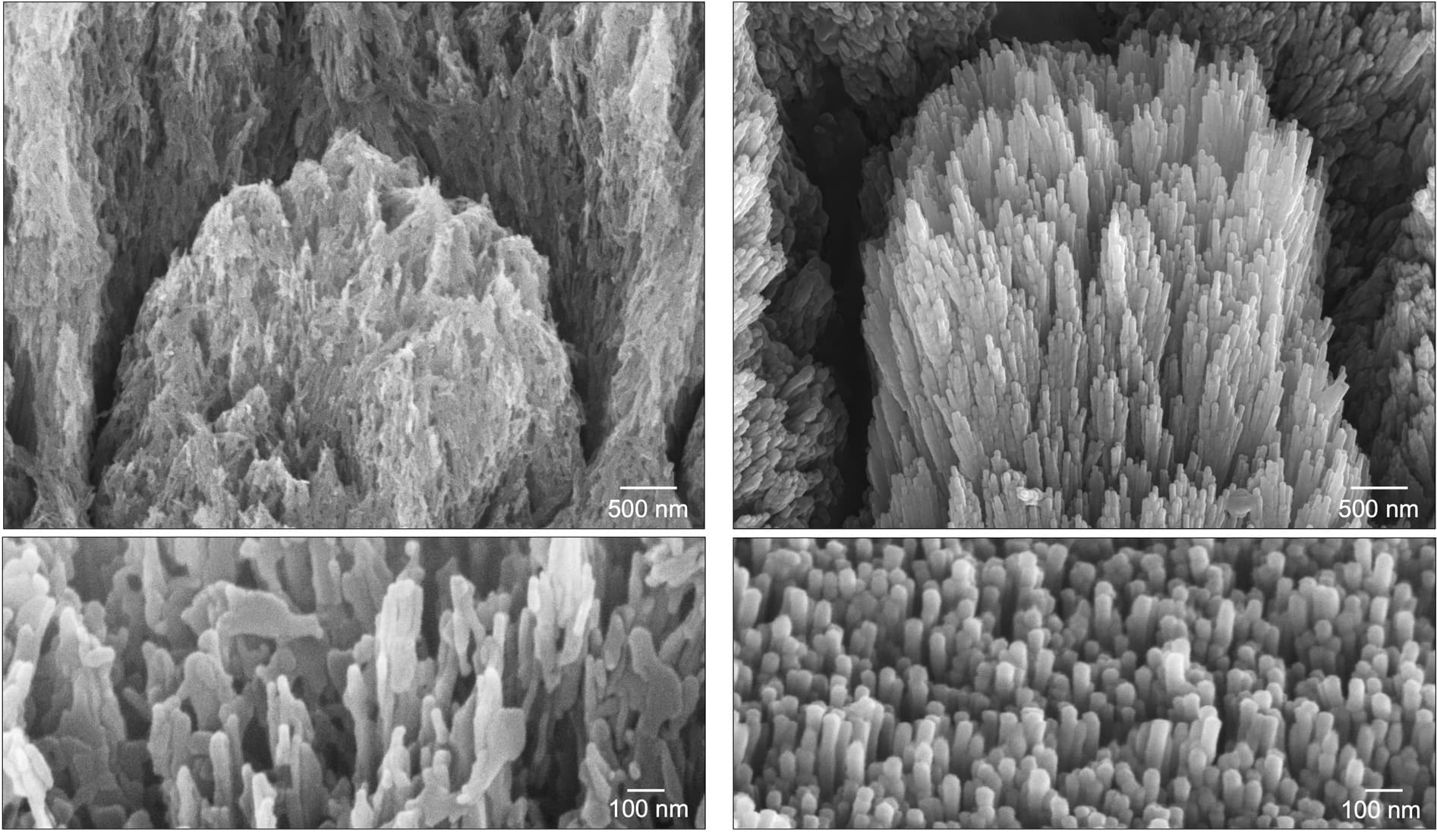
Nottingham researchers have built a protein-based gel that pulls calcium and phosphate already present in saliva into new enamel crystals, and the early lab results are hard to ignore. On extracted human molars, the material rebuilt a thin, robust layer within two weeks, raising the bigger question in dentistry: can this become a true treatment for early decay, or is it still a promising step between a lab dish and a filling?
The study, published on November 4, 2025 in Nature Communications, came from the University of Nottingham’s School of Pharmacy and Department of Chemical and Environmental Engineering with international collaborators. The gel is fluoride-free and is designed to be applied quickly in the same way dentists already apply fluoride treatments. It mimics the natural proteins that guide enamel formation in infancy, then forms a scaffold that draws mineral from saliva and drives epitaxial mineralization, the process that organizes new crystal growth so it integrates with the tooth instead of sitting on top of it.
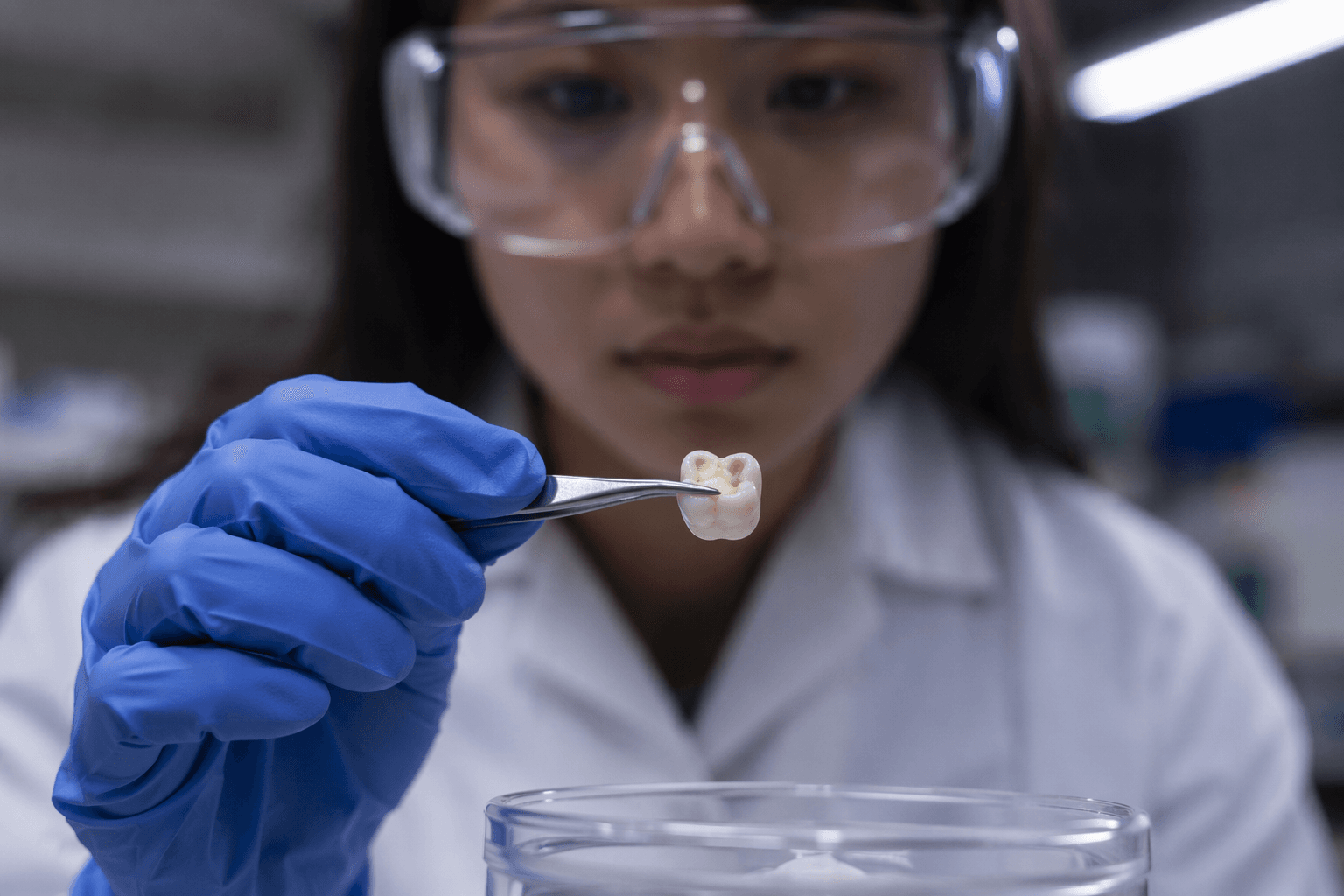
That integration mattered in the lab. Researchers used 32 extracted human molars, and electron microscopy showed eroded apatite crystals on damaged teeth being transformed into organized regenerated enamel crystals after a two-week treatment. The regenerated tissue was tested under conditions meant to simulate brushing, chewing and exposure to acidic foods, and it behaved like healthy enamel. The gel also filled holes and cracks, a detail that matters if the goal is to stop early lesions before they become the kind of cavities that end in drills and restorations.
The broader stakes are not small. The University of Nottingham said enamel degradation affects almost 50% of the world’s population, can lead to infections and tooth loss, and is linked with conditions including diabetes and cardiovascular disease. Unlike bone, enamel does not naturally regenerate once it is lost, which is why this kind of material has long been viewed as one of dental materials science’s most difficult targets. The same gel may also have a second life on exposed dentine, where it could grow an enamel-like layer to help with hypersensitivity and improve how dental restorations bond.
Commercially, the work has already moved beyond the bench. Dr Abshar Hasan, a postdoctoral fellow at Nottingham and a co-founder of Mintech-Bio, led the study with Professor Álvaro Mata. Mata said the team had started the process with the startup and hoped to have a first product out next year, while later plans pointed to a first product in 2026. That is the real test now: human clinical trials, then a product dentists can trust chairside. Until that happens, the gel looks less like a replacement for fillings and more like the most credible shot yet at rebuilding enamel before the drill comes out.
This article was produced by Prism’s automated news system from verified source data, official records, and press releases, then run through automated quality and moderation checks before publishing. The system is built and supervised by the people who set the standards it runs under. Read our full AI policy.
Know something we missed? Have a correction or additional information?
Submit a Tip