Novonesis backs TurtleTree to scale precision-fermented lactoferrin
Novonesis is taking TurtleTree’s LF+ from lab to market with a minority investment and manufacturing deal, a key test for precision-fermented lactoferrin.
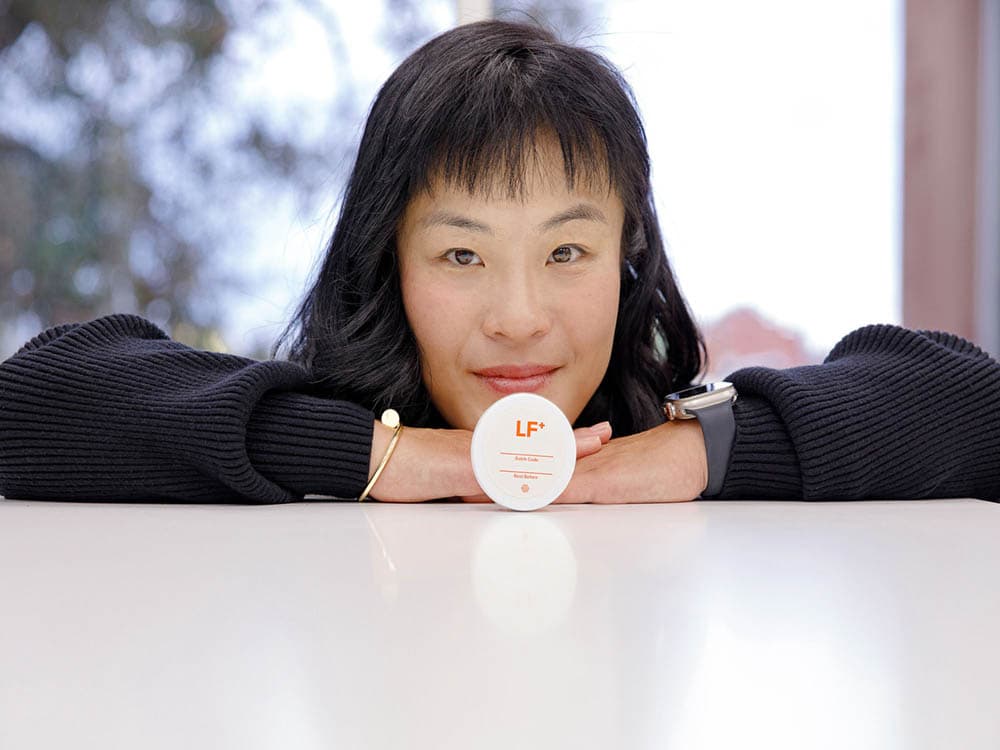
Novonesis agreed on July 8 to scale, manufacture and commercialize TurtleTree’s precision-fermented lactoferrin ingredient LF+, adding a minority investment and support from 321Catalyst Ventures, the corporate venture arm of Mitsui Chemicals. The deal puts one of the most expensive dairy proteins in the early life nutrition pipeline under the wing of a major biosolutions player, and it does so at the exact point where precision fermentation needs proof that it can move beyond pilot runs and into steady industrial supply.
That matters because lactoferrin is already a prized ingredient across infant nutrition, food and beverage, dietary supplements, pharmaceuticals, animal feed, personal care and cosmetics, but conventional dairy supply has been constrained, costly and tied to animal production. TurtleTree has also said it was the first company to receive a U.S. Food and Drug Administration GRAS No Objection Letter for precision-fermented lactoferrin, a regulatory milestone that gives LF+ a stronger commercial footing in the United States than most ingredients in the category.

Novonesis has framed the agreement around the early life nutrition market, which is the most defensible near-term use case for a protein like this. Infant formula buyers care about consistency, safety and supply reliability as much as they care about function, and that makes lactoferrin a better fit there than in commodity nutrition. If LF+ can be made at scale with predictable quality, the same supply logic could open doors in premium functional foods and beverages, where brands are willing to pay for a differentiated protein story and for the kind of health halo lactoferrin already carries.
The timing also lines up with a more crowded but still unsettled regulatory picture. A 2026 review said the lack of a harmonized global definition for precision fermentation continues to create variability across jurisdictions, which helps explain why a U.S. GRAS letter and a manufacturing partnership from Novonesis carry outsized weight. In Europe, the European Commission-backed HuMiLAF project, which runs from May 1, 2025, through April 30, 2027, is pursuing human milk lactoferrin by precision fermentation for infant formula and immunity shots, with business goals that include regulatory approvals, major customer agreements and commercialization.
That mix of industrial backing, regulatory progress and targeted end markets makes LF+ more than a science demo. The question now is not whether precision-fermented lactoferrin can be made in principle, but whether Novonesis and TurtleTree can turn a rare, high-value protein into a reliable category with enough scale and a low enough cost curve to compete with dairy-derived supply.
This article was produced by Prism’s automated news system from verified source data, official records, and press releases, then run through automated quality and moderation checks before publishing. The system is built and supervised by the people who set the standards it runs under. Read our full AI policy.
Did this article answer your question?