NuCicer launches high-protein chickpeas to simplify protein processing
NuCicer says Nuchi carries 50% more protein and 25% less fat, a setup meant to skip defatting and make chickpea protein less dependent on volatile dairy inputs.
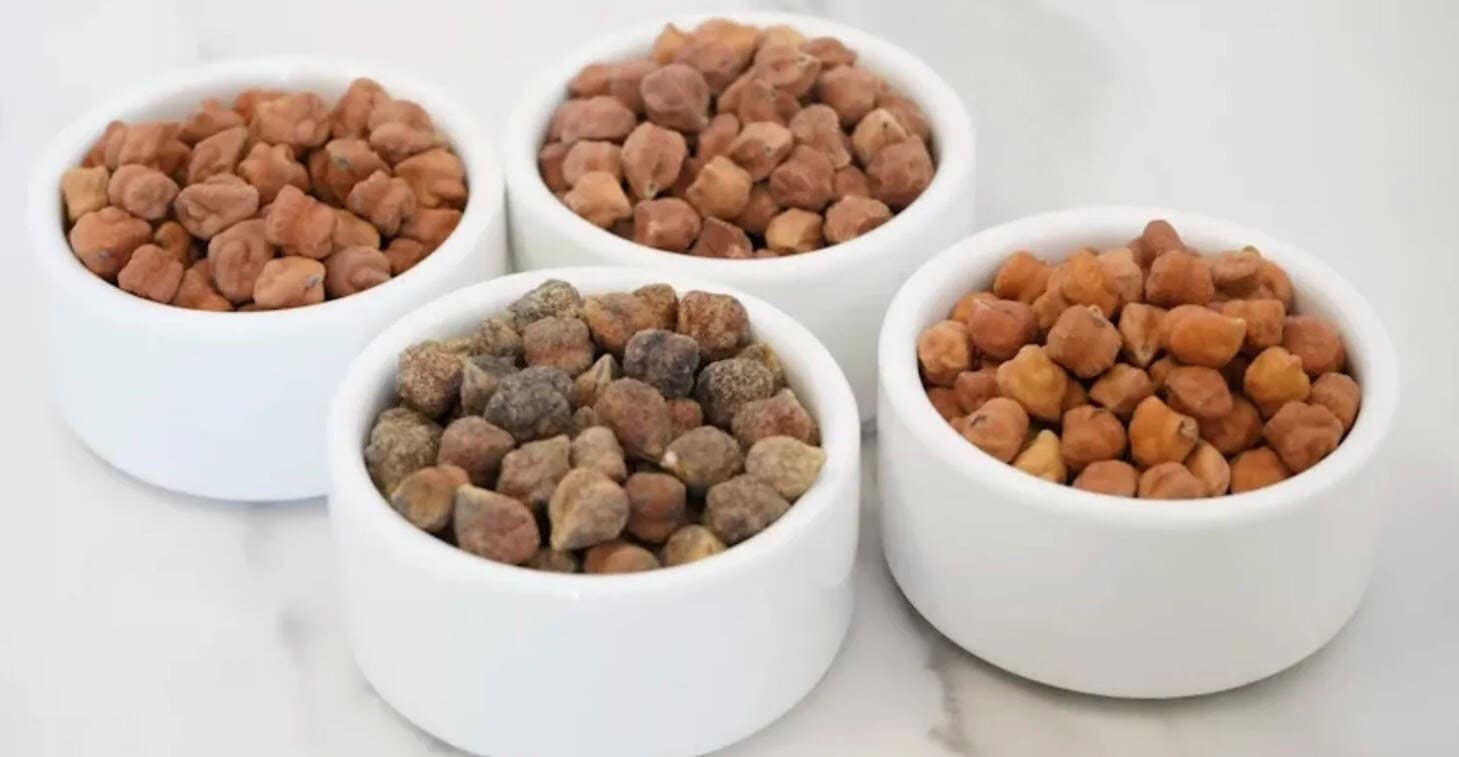
NuCicer unveiled Nuchi on July 8 with a pitch that goes beyond ingredient novelty: the Davis, California company says its "new class of high-protein chickpeas" can change how brands source and process protein. Nuchi is positioned as a cleaner starting point for formulators, with 50% more protein and 25% less fat than a standard chickpea, which NuCicer says can remove the defatting step often needed to make chickpea protein concentrates.
That detail matters because defatting is one of the small, expensive frictions that pile up in protein manufacturing. If a raw material already lands closer to the target composition, processors can save a pass through the plant, reduce yield loss and cut complexity before the ingredient ever reaches a mixer or extruder. NuCicer is selling that as a practical advantage, not just a breeding milestone, and the company says Nuchi is neutral in flavor, non-GMO and gluten-free. It has already tested the chickpea in crackers, pancakes, waffles, pasta, snacks and cereal, which suggests the company wants Nuchi treated as a platform ingredient rather than a one-off protein input.
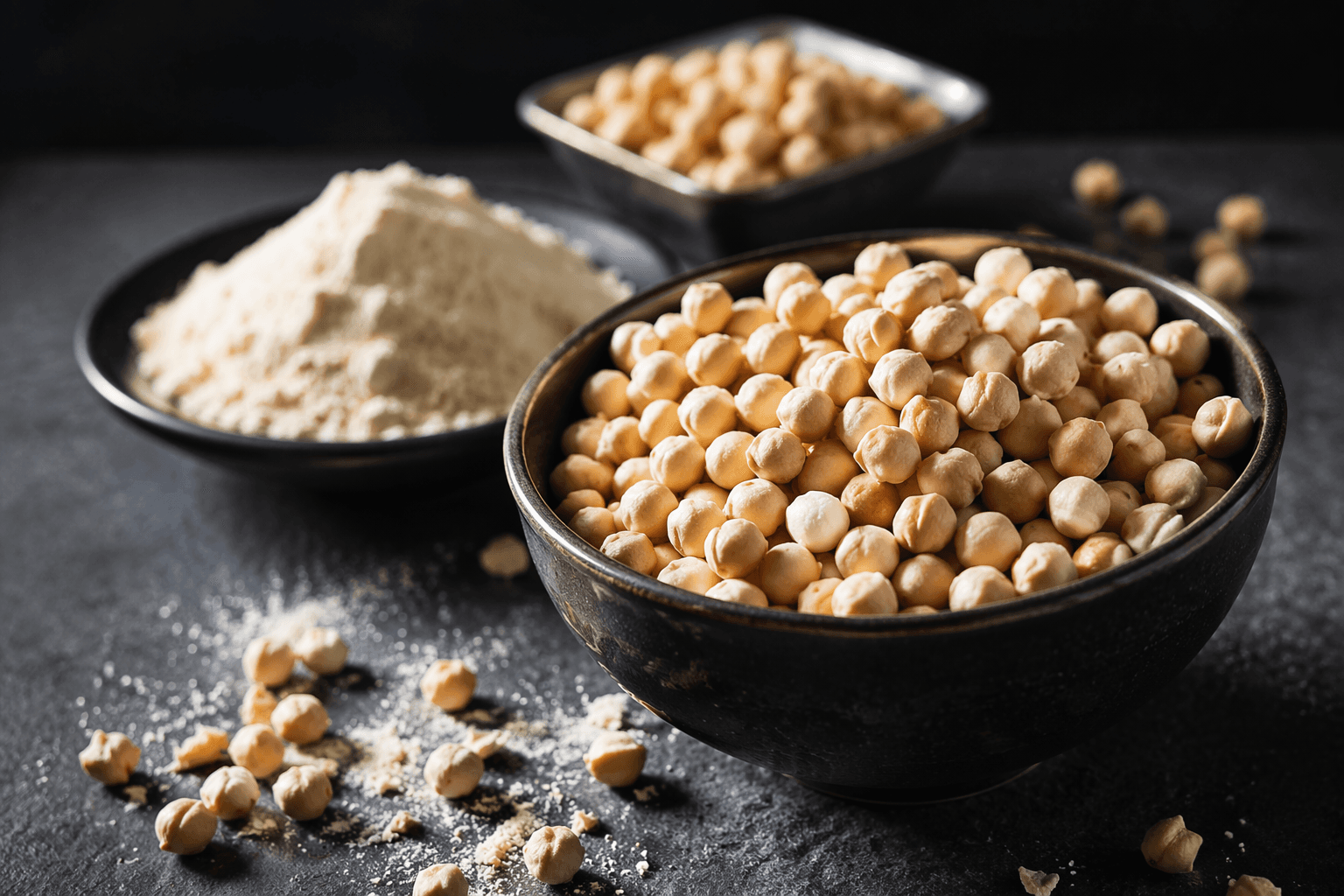
The supply-chain angle is just as important. NuCicer and Stricks Ag announced large-scale commercial chickpea deployment on March 4, and NuCicer says more than 10,000 acres of proprietary high-protein chickpeas were planted for the 2026 growing season in North America. That gives the company a scale story that many ingredient startups never get past pilot stage, and it arrives at a time when protein buyers are looking hard at volatility in dairy. USDA Dairy Market News said whey protein concentrate 34% was weak in March 2026 amid extremely tight supplies and strong demand, a reminder that manufacturers chasing higher-protein formulations are still exposed to abrupt price swings in inputs.
NuCicer is also leaning on the crop itself as part of the value proposition. Chickpeas are legumes, and Frontiers in Plant Science says chickpea can fix nitrogen in symbiosis with Mesorhizobium cicero, which helps reduce dependence on nitrogen fertilizer and supports soil fertility. UC Davis materials add more backstory: the university says NuCicer co-founder and chief scientific officer Douglas Cook, a UC Davis professor, helped develop a high-protein, early-maturing chickpea variety called NC-1 using expanded wild-chickpea genetic diversity.
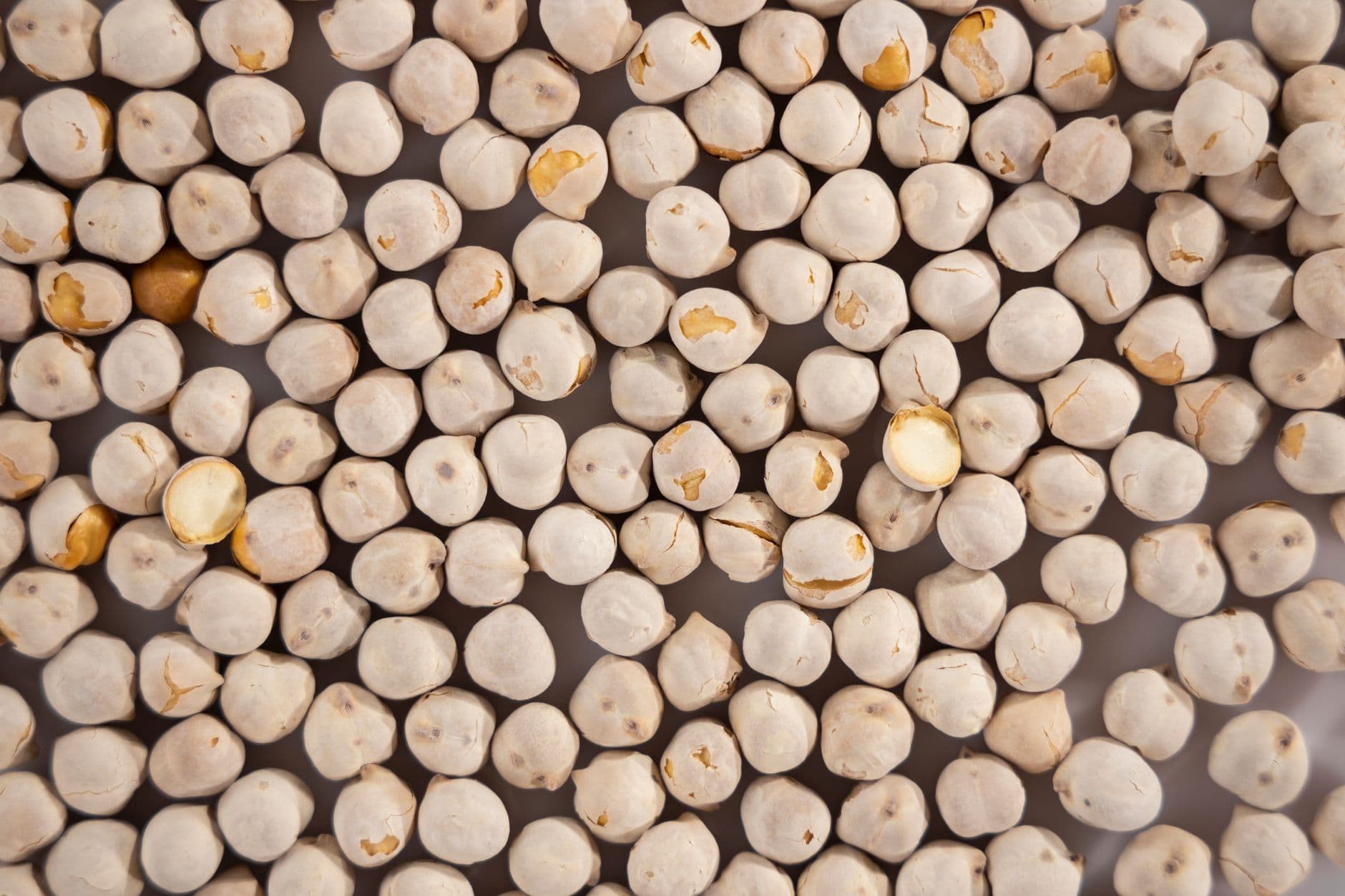
NuCicer says its breeding program increased chickpea genetic diversity about 40-fold through crossbreeding, and earlier company materials said a prior high-protein chickpea carried 75% more protein than standard chickpea. The company also says its varietal development cycle has been cut by three times, which is the kind of metric that will decide whether Nuchi becomes a true platform ingredient or just a better headline.
This article was produced by Prism’s automated news system from verified source data, official records, and press releases, then run through automated quality and moderation checks before publishing. The system is built and supervised by the people who set the standards it runs under. Read our full AI policy.
Did this article answer your question?