PDCAAS faces challenge as protein quality metrics evolve
PDCAAS still drives labeling, but DIAAS and newer digestibility tests are exposing the gap between protein grams and protein quality.
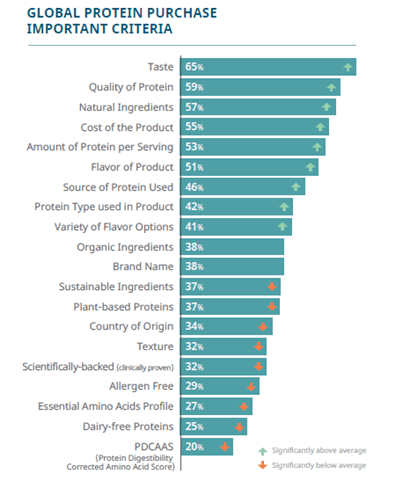
PDCAAS, the Protein Digestibility-Corrected Amino Acid Score, has been widely used since 1989. It remains central to a standards fight with real commercial fallout, because the system used to measure quality can shape labeling, product development, and what buyers think they are getting when a package says "high-quality protein." Plant, fermentation-derived, and hybrid proteins have pushed the category beyond the old dairy-and-meat playbook.
Why PDCAAS lasted so long
That long run helps explain why PDCAAS remains so embedded in product language and regulatory practice. For years, it gave brands a simple way to talk about protein rating in a market where whey and casein were the easy reference points and the supply chain was less crowded with plant blends and novel ingredients. The trouble is that a long life in the market does not make a metric complete, and PDCAAS now looks blunt against the way modern protein products are actually built.
A product can post a strong protein number on the front of pack and still disappoint on quality if the amino acid profile or digestibility is weak. That gap matters when a formula is being sold to athletes, older adults, GLP-1 users, or weight-management shoppers who need nutrient density from smaller servings.
DIAAS changed the terms of the argument
The clearest challenge to PDCAAS came through the FAO’s 2013 report on dietary protein quality evaluation in human nutrition, which was based on the expert consultation held from 31 March to 2 April 2011 in Auckland, New Zealand. That report did not just repeat the old scoring logic; it raised concerns about the PDCAAS method and discussed DIAAS, the Digestible Indispensable Amino Acid Score, as a more refined alternative. DIAAS shifts attention toward the digestibility of indispensable amino acids, which gives formulators and regulators a more granular view of what a protein actually delivers.
That shift matters because not all proteins behave the same way in the body. Whey and casein have traditionally scored well under older systems, while many plant proteins are limited by one or more essential amino acids and often need blending to reach a complete protein profile.
A 3 July 2024 Frontiers in Nutrition review titled DIAAS: 10 years on said the newer framework had already spent a decade in the scientific conversation. That does not mean PDCAAS vanished.
Plant proteins are where the metric debate gets real
This debate lands hardest in plant protein, where a high protein count does not automatically equal a complete or highly digestible product. Many plant sources need to be combined to balance amino acids, and that reality is central to how brands position protein bars, shakes, ready-to-drink formulas, and meal replacements. If the scoring system rewards only the headline grams, it can make a plant formula look more equivalent to dairy protein than it really is.
That is why the words buyers see on pack, such as complete protein, muscle support, and nutrition density, deserve scrutiny. Those claims can be technically defensible in one scoring framework and far less persuasive in another. For formulators, the response is usually not to chase the biggest protein number, but to select complementary ingredients, manage processing, and build around the finished amino acid profile rather than the raw ingredient count.
Fermentation-derived and hybrid ingredients make the issue sharper still. They do not fit neatly into the older assumptions that shaped PDCAAS-era labeling, so the metric choice can affect everything from ingredient sourcing to how a company explains its product architecture to retailers and consumers.
Regulation has not caught up at the same pace
Canada is a good example of how the standards debate now lives in both science and regulation. On December 18, 2024, Health Canada published Determination of the protein rating using the Protein Digestibility Corrected Amino Acid Score, for the purposes of the Food and Drug Regulations. That keeps PDCAAS active in Canadian labeling practice even as scientific criticism of the method continues to build.
FAO and WHO codex-related materials in 2016 referenced the 2013 FAO report and DIAAS in protein-quality standards discussions, which shows that the question was already outgrowing a single-country or single-industry argument.
The next fight is over how digestibility gets measured
One of the most practical developments now under discussion is whether digestibility can be measured without relying on in vivo methods. A 2024 Frontiers in Nutrition review examined in vitro protein digestibility as a possible replacement for in vivo digestibility for nutrient content claim substantiation in North America. The question reaches directly into how a brand proves a claim and how a regulator accepts it.
This article was produced by Prism’s automated news system from verified source data, official records, and press releases, then run through automated quality and moderation checks before publishing. The system is built and supervised by the people who set the standards it runs under. Read our full AI policy.
Did this article answer your question?