Plant-based fish market seen reaching $3.6 billion by 2036
A May 12 forecast put plant-based fish at $3.6 billion by 2036, but the real test is whether shoppers repurchase it after the first curiosity buy.
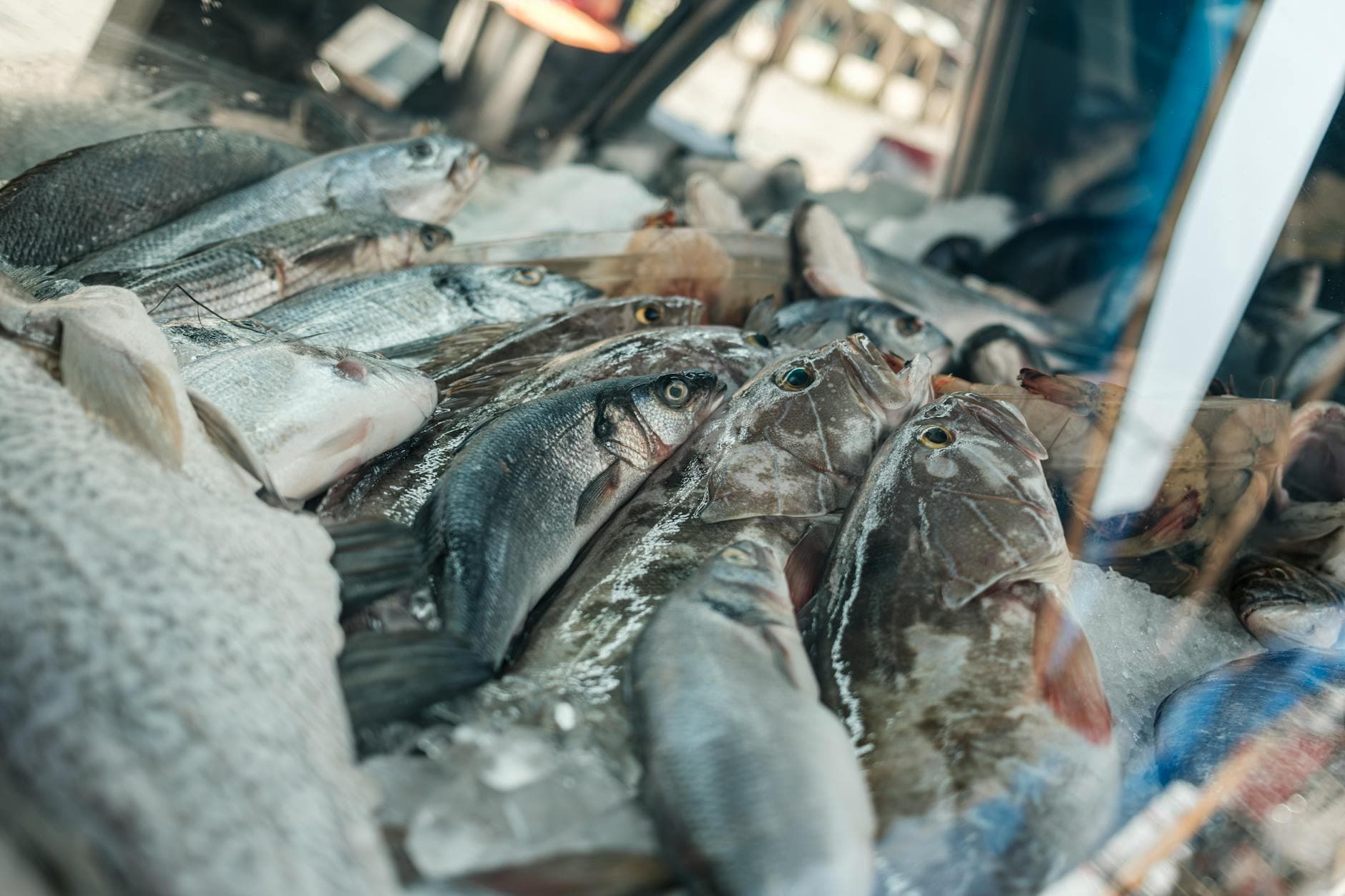
Plant-based fish has moved far enough to get a $3.6 billion forecast by 2036, but that headline number still has to survive the same test that has slowed a lot of alternative protein: whether the product is good enough, cheap enough, and easy enough to find that people buy it again. The May 12 market release pointed to alternative seafood innovation, retail expansion, and demand for sustainable protein as the forces behind the climb. That is a meaningful signal for the protein aisle, but it is not the same thing as proof of mass-market adoption.
What makes the category worth watching is that it is no longer being treated as a novelty side project. The forecast suggests plant-based fish is trying to establish itself as a commercial subsegment, not just an environmental statement. That matters because the seafood set is a harder sell than burgers or nuggets. Fish substitutes have to mimic more than flavor. They have to stand up to flakes, fillets, breading, moisture retention, pan heat, and the kind of texture that makes a quick weeknight meal feel normal instead of experimental.

The retail piece is just as important as the recipe. More shelf space can widen awareness, but freezer placement still decides how often shoppers see the category and whether it feels like a practical buy or a specialist item buried next to other frozen experiments. Shelf opportunity also does not solve price parity. If plant-based fish stays too expensive compared with conventional seafood, or even with other plant-based proteins, the category risks becoming a one-time trial rather than a repeat habit. That is where the forecast gets stress-tested in the real world.
The broader message is that plant-based protein demand is spreading beyond the burger aisle and into more complex eating occasions, including shrimp, fish, and other marine-style products. But white space is not the same as demand. Innovators still have to close the gap on taste replication, texture, cooking performance, and species-specific preferences, then prove that those improvements translate into repeat consumer purchase. Until that happens, the $3.6 billion figure looks less like a guarantee than a bet on whether alternative seafood can finally become ordinary.
This article was produced by Prism’s automated news system from verified source data, official records, and press releases, then run through automated quality and moderation checks before publishing. The system is built and supervised by the people who set the standards it runs under. Read our full AI policy.
Did this article answer your question?