Plant expression platforms could expand affordable biopharma production in Global South
Plant systems could help Global South manufacturers make vaccines and biologics locally, cutting the cost and infrastructure wall that keeps imports in charge.
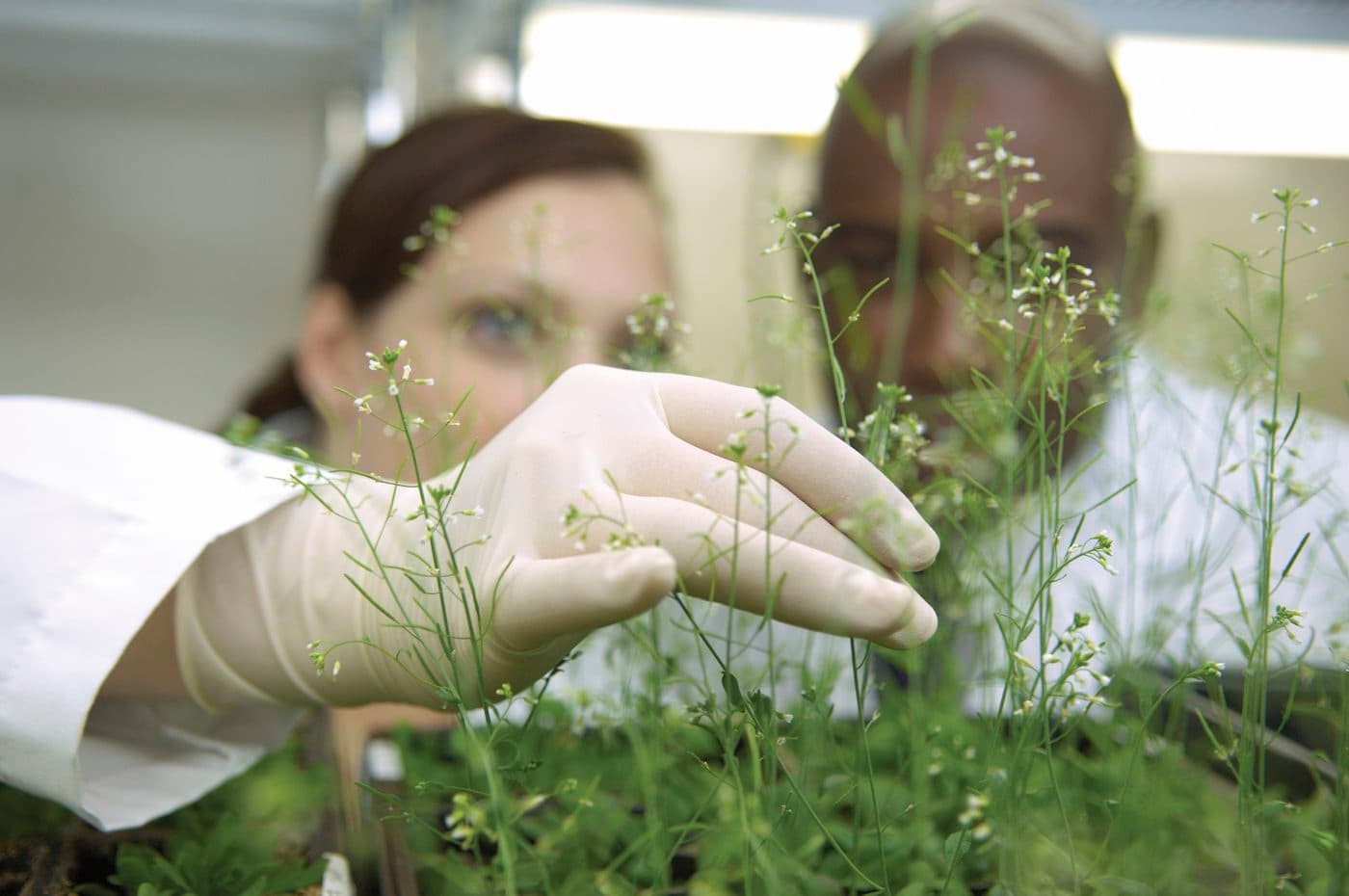
GravityFlow automated multilayer vertical farm systems at an Intravision Greens facility in Niagara, Canada offer a compact image of what plant-based biopharmaceutical production can look like. In the Global South, the real promise of plant-based protein expression is sovereignty, not novelty. If a region can make vaccine antigens, therapeutic proteins and diagnostic reagents in plants instead of waiting on imported biologics from mammalian or microbial plants, the capital stack, footprint and cold-chain burden all get lighter. A May 2024 Vax-Hub policy brief on vaccine manufacturing capacity in low- and middle-income countries flagged technology transfer as one of the biggest challenges, alongside the broader need to build local manufacturing capacity. That is the practical question behind plant expression platforms as a better option for biopharma in the Global South.
Why the infrastructure argument matters
Conventional biopharma still leans on expensive facilities, highly controlled utilities, and long supply chains that are hard to reproduce locally. That is the reality plant systems run into in many places.
Plant-based expression changes that math because the production environment can be far less infrastructure-heavy. Instead of building out a full stainless-steel mammalian-cell campus, local producers can lean on greenhouse or other plant-growing infrastructure, which is a much more familiar and modular starting point for many regions. That matters most where the target is public health manufacturing, not boutique biologics with global distribution already locked in.
Doug Cossar, Michael D. McLean and Don Stewart argued in BioProcess International's May 20, 2022 article, Plant-Based Protein Expression: Emerging Systems Bring Viable Approaches to Biopharmaceutical Manufacturing, that plant-based systems offer low production costs, product safety and ease of scaling up.
What the literature has already said about plants and public health
A 2016 PubMed Central review, Need of cost-effective vaccines in developing countries: What plant biotechnology can offer?, focused directly on whether plant biotechnology could support affordable vaccines where budgets and infrastructure are tight. A 2020 review, Virus-based pharmaceutical production in plants: an opportunity to reduce health problems in Africa, argued that plant-based pharmaceutical production could help reduce health problems on the continent.
By 2023, the field had its own umbrella review, Plant-based biopharmaceutical engineering. The conversation was no longer limited to proof-of-concept vaccines in a greenhouse; it covered engineering decisions, upstream workflows and how plant systems fit into a broader manufacturing stack. An earlier review by Bala Murugan Shanmugaraj and Sathishkumar Ramalingam at Bharathiar University in Coimbatore, India, also shows how long researchers have treated plants as a real recombinant protein platform rather than a novelty.
A 2026 Scilight Press review, Pathways to Sustainable Biomanufacturing: Scalable Production of Biopharmaceutical Raw Materials and Biologics for Health Security, places scalable production inside health-security planning. In the Global South, the goal is not just one successful expression run, but a durable domestic capability for raw materials and biologics that can be turned toward outbreaks, shortages and routine supply gaps.
Where the local opportunity is strongest
Vaccines are the clearest use case, because the public-health payoff is obvious and the cost pressure is constant. Plant biotechnology and virus-based production are most compelling when the alternative is expensive imported vaccine supply or delayed access during an outbreak. But the same manufacturing logic applies to therapeutic proteins and to the biological inputs behind diagnostics, where local production can shorten lead times and reduce dependence on fragile shipping lanes.
In many countries, the question is not which expression system is most elegant in a lab, but which one can be built with less capital, less specialized infrastructure and fewer cold-chain choke points. If plants can produce the relevant proteins with lower-cost, safer, easier-to-scale workflows, they become a practical route to local vaccine, therapeutic and diagnostics capacity instead of a distant aspiration.
Workhorse plant hosts such as Nicotiana benthamiana show up in the literature and in industry imagery because they are familiar, flexible and fast to deploy. That combination is part of the appeal for regions trying to avoid years of heavy plant construction before making a single product.
The market signal is real, even if the public-health case should lead
Commercial interest is following the science. Market research is tracking a global plant-based expression systems market across the 2025-2034 period. That does not by itself prove public-health value, but it does mean the ecosystem around expression vectors, upstream processing and downstream purification is likely to keep getting broader.
This article was produced by Prism’s automated news system from verified source data, official records, and press releases, then run through automated quality and moderation checks before publishing. The system is built and supervised by the people who set the standards it runs under. Read our full AI policy.
Did this article answer your question?