Plukon expands Spanish poultry footprint with Avimosa acquisition
Plukon bought 100% of Avimosa, adding feed, hatchery, farming and processing capacity in Madrid and Toledo to its Spanish poultry network. The deal deepens a multi-year Iberian consolidation push.
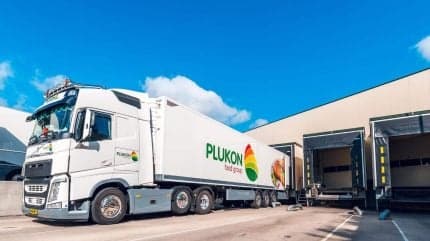
Plukon Food Group has tightened its grip on Spain’s poultry market with a 100% acquisition of Avícola Moraleja S.A., known as Avimosa, a move that adds another vertically integrated asset to its European protein platform. The company announced the deal on May 27, 2026, and said Avimosa brings core production facilities and operations in Madrid and Toledo into Plukon’s portfolio.
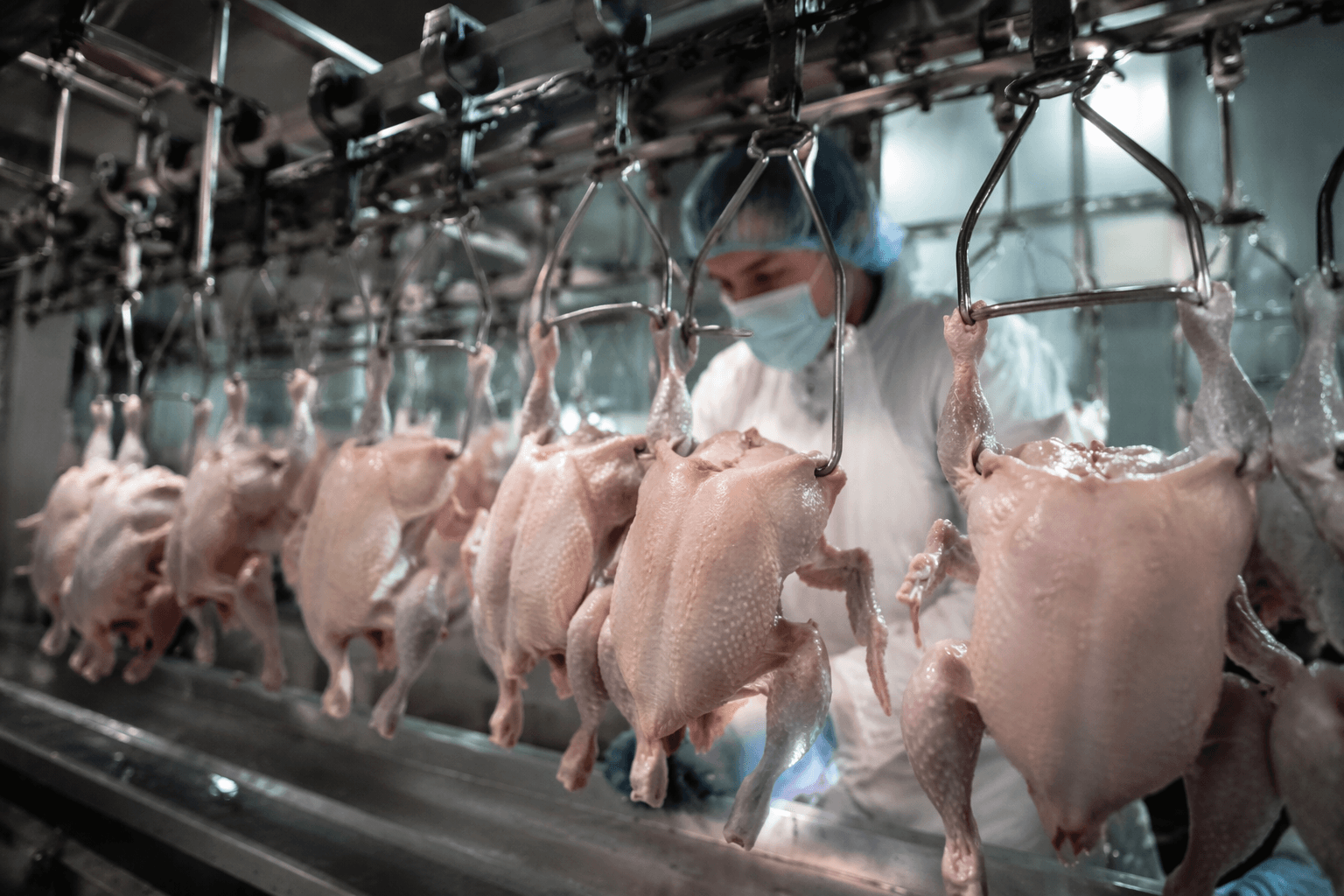
The attraction is not just scale, but control. Avimosa’s business spans feed production, hatching, farming and processing, giving Plukon a broader hand across the poultry value chain in central Spain. In a category where poultry remains one of Europe’s most important and affordable animal proteins, that kind of integration can matter as much as brand strength, especially when inflation, labor pressure and supply-chain volatility continue to test margins.
Avimosa said it has been active in poultry for more than 100 years and operates four workplaces across the provinces of Madrid and Toledo. It is based in Moraleja de Enmedio, near Madrid, and last year generated €56 million in revenue while employing more than 250 people. Plukon and trade coverage said financial terms were not disclosed.
The deal extends a Spain strategy that has been building for years. Plukon bought Grupo VMR in 2020, added Redondo in January 2024, and acquired Grupo Avícola Hidalgo in January 2025. That last transaction already gave Plukon production assets in Madrid, Valladolid and Toledo, so Avimosa does not create a footprint from scratch. Instead, it deepens an existing Iberian network and gives Plukon more density in one of Europe’s most competitive poultry corridors.

For Plukon, the prize is operational leverage. A larger, more integrated Spanish platform can support steadier volumes for retail and out-of-home customers, while improving the company’s ability to balance supply across regions. For the broader market, the acquisition underlines how poultry consolidation is becoming a structural feature of European meat production, where the winners are increasingly the groups that can control chicks, feed, farms and processing as one system rather than as separate links in the chain.
This article was produced by Prism’s automated news system from verified source data, official records, and press releases, then run through automated quality and moderation checks before publishing. The system is built and supervised by the people who set the standards it runs under. Read our full AI policy.
Know something we missed? Have a correction or additional information?
Submit a Tip