Post-translational modifications reshape druggability in over 400 proteins, study finds
PTM state changed drug binding in more than 400 proteins, including KRAS and NPC2, pointing to a new layer of target selection for drug discovery.
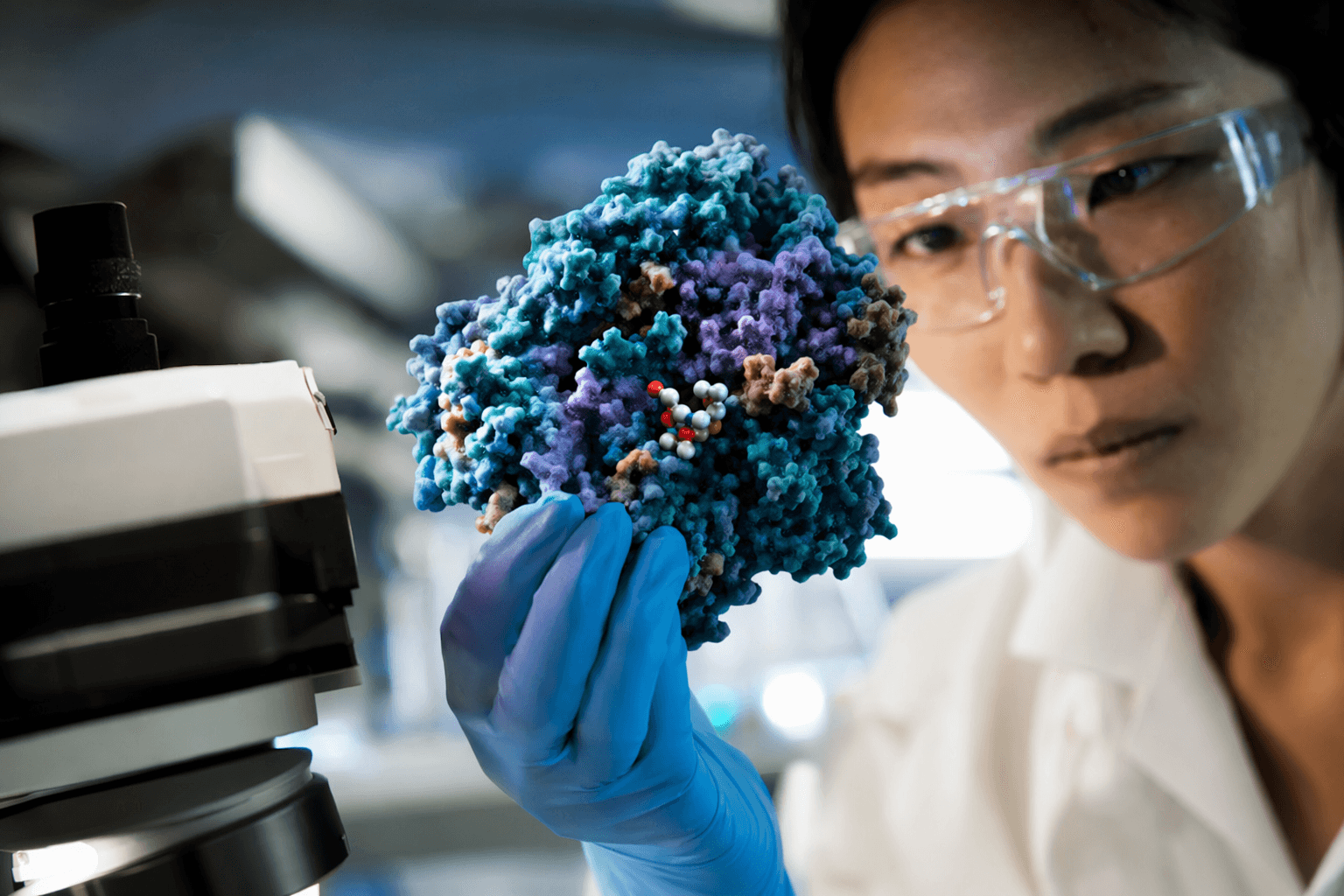
Post-translational modifications can make the difference between a protein that takes a drug-like small molecule and one that does not, and a new Scripps Research study says that effect reaches well beyond a handful of edge cases. Using specially designed chemical probes in living cells, the team screened more than 5,000 proteins and found that PTM state dictated ligandability in more than 400 of them, a result that could redraw the map for protein-targeting therapeutics.
The work, published in Nature Chemical Biology and coming out of Scripps Research in La Jolla, California, focused on two common PTM classes: phosphorylation and N-linked glycosylation. The affected proteins were not a narrow class of easy wins. They included enzymes, ion channels, transcription factors and epigenetic regulators, many of them proteins that have resisted drug programs for years. In some cases, the modification sat physically near the binding site and reshaped the pocket a molecule could occupy. In others, the PTM altered protein-protein interactions and exposed a binding site that was not accessible before.
That distinction matters commercially. A target that looks undruggable in one cellular state may become actionable in another, which means PTM status could eventually influence which programs advance, which combinations make sense, and which patient groups are most likely to respond. Christopher Parker, a professor and The Abide-Vividion Chair in Chemistry and Chemical Biology at Scripps Research, put it plainly: “PTMs are another layer of variables that we should be considering more in drug discovery.”
The most eye-catching examples make the point. In KRAS, a long-sought cancer target with recent approvals for sotorasib and adagrasib in KRAS G12C-mutant non-small cell lung cancer, phosphorylation at specific sites changed inhibitor binding and inhibition. That is a big deal for a protein already under intense industry scrutiny, because it suggests the surrounding modification state can still move the odds even in a target class that has finally delivered real drugs. The study also flagged NPC2, a protein linked to Niemann-Pick disease, where a single sugar-based PTM determined whether a drug-like molecule could bind at all.
For discovery teams, the practical lesson is hard to miss. PTMs are not just biological decoration. They can act like a hidden switch that turns binding sites on or off, changing which proteins belong on the next hit list and which need a different strategy altogether.
This article was produced by Prism’s automated news system from verified source data, official records, and press releases, then run through automated quality and moderation checks before publishing. The system is built and supervised by the people who set the standards it runs under. Read our full AI policy.
Did this article answer your question?