Praj Industries launches AI-enabled fermentation lab, strengthens India biotech push
Praj Industries opened an AI-enabled precision fermentation lab in Pune, pairing it with BRIC-NCCS to build the talent and pilot base India needs for smart proteins.
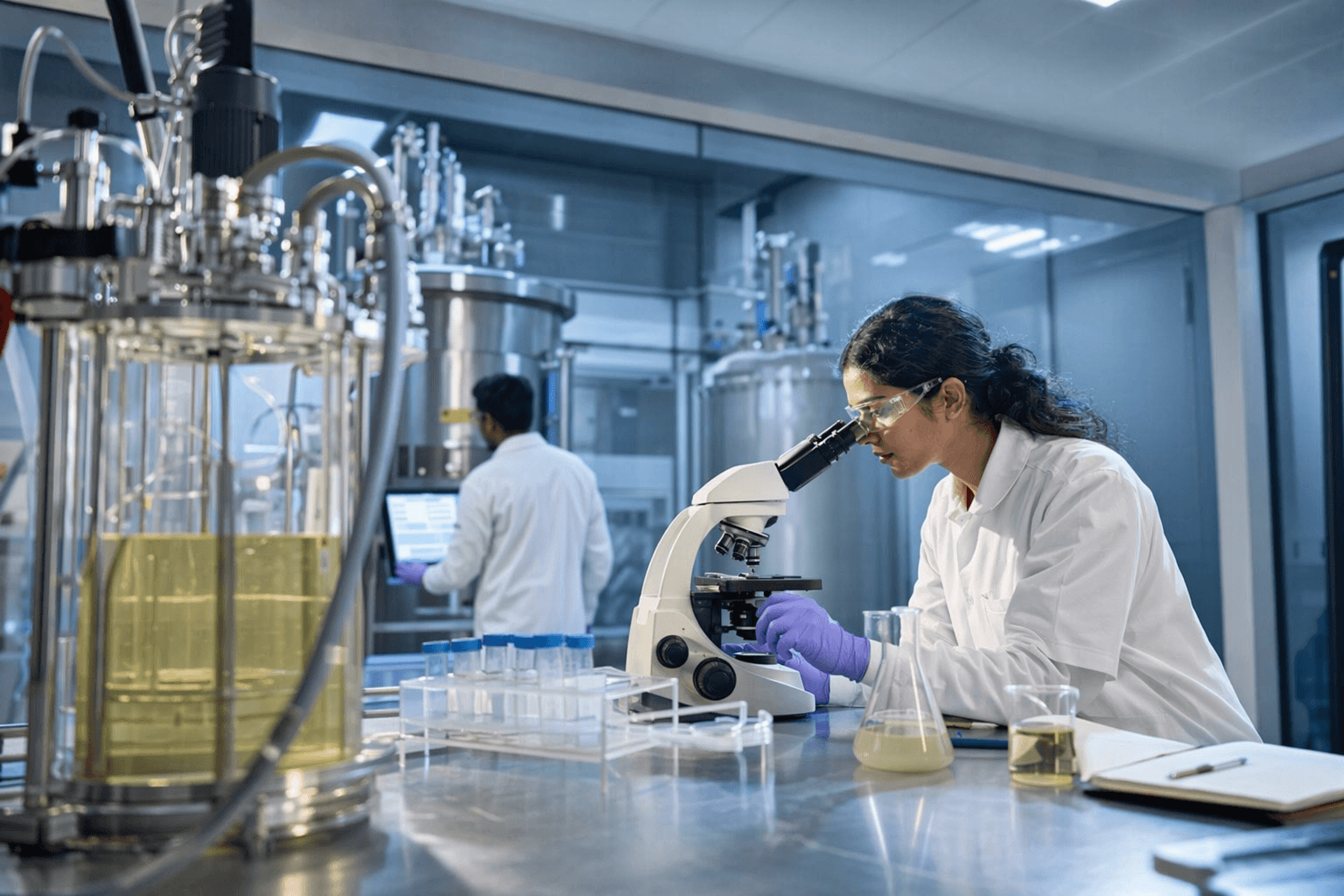
Praj Industries has put a new bet on the part of biotechnology that usually gets overlooked: the lab bench that sits between an idea and a product that can actually be made at scale. The company launched an Advanced Precision Fermentation Lab at its Praj Matrix R&D centre in Pune and tied it to a formal research partnership with BRIC-NCCS, a move that points as much to capacity-building as to any single ribbon-cutting.
The lab was announced on April 20, 2026, during the 18th Praj Matrix Foundation Day, and it lands inside a wider Indian push to build a bio-based economy. BioE3, approved by the Union Cabinet on August 24, 2024, is meant to drive innovation-led biomanufacturing, and official materials frame its priorities around bio-based chemicals, enzymes, smart proteins and functional foods. Praj’s new facility fits that brief neatly: it is designed for high-capacity, AI-enabled fermentation work that can serve multiple sectors, including alternative proteins.
That matters because the real bottleneck in fermentation is rarely the headline product. It is the stack underneath it, the strain engineering, biomolecule discovery, process control, and repeatability that turn a promising culture into something dependable and commercially viable. Praj says the Matrix centre is its common innovation engine, certified by the Government of India’s Department of Scientific and Industrial Research, equipped with 16 laboratories, and staffed by more than 90 research scientists. In practical terms, that is the kind of base that shortens the distance between R&D and pilot-ready output.
Praj is not starting from zero. Its own technology portfolio already includes fermentation in bioenergy, built around biochemistry and engineering, so the new lab looks less like a side project and more like an expansion of an existing industrial capability into newer ingredient categories. For protein developers, that is the point. India does not become a fermentation hub by talking about proteins alone; it gets there by building the tools that make microbial protein, precision-fermented ingredients, enzymes and related biomanufacturing work more predictable and less dependent on foreign platforms.
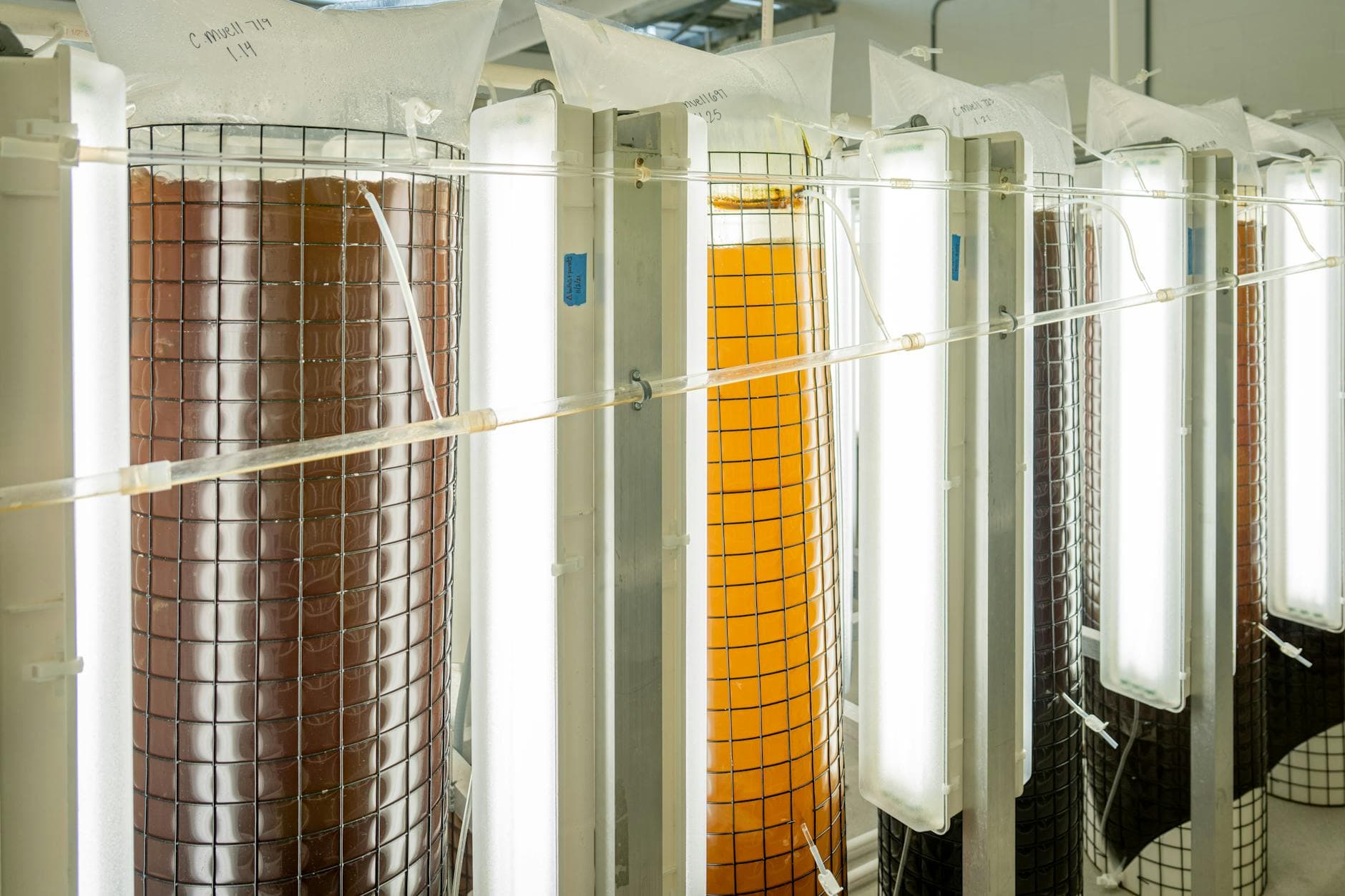
BRIC-NCCS gives the move another layer. Based on the Savitribai Phule Pune University campus in Pune, the National Centre for Cell Science has served as India’s national repository for cell lines since 1986 and says its repository supports academia, government, private research institutions and industrial establishments. NCCS also describes its bioresource infrastructure as a platform for teaching and training, which is exactly the kind of talent pipeline a serious fermentation ecosystem needs.
Praj’s announcement does not make India a global fermentation center overnight. It does show the shape of the competition now: countries that can combine research infrastructure, trained scientists, institutional partnerships and scale-up discipline will own more of the innovation stack. That is where the smart money is going.
This article was produced by Prism’s automated news system from verified source data, official records, and press releases, then run through automated quality and moderation checks before publishing. The system is built and supervised by the people who set the standards it runs under. Read our full AI policy.
Did this article answer your question?