Proda brings nostalgic soda vibes to protein drinks with clear whey
Proda and Fave show how protein brands are swapping chalky obligation for enjoyable drink moments, one through soda nostalgia and the other through powder convenience.
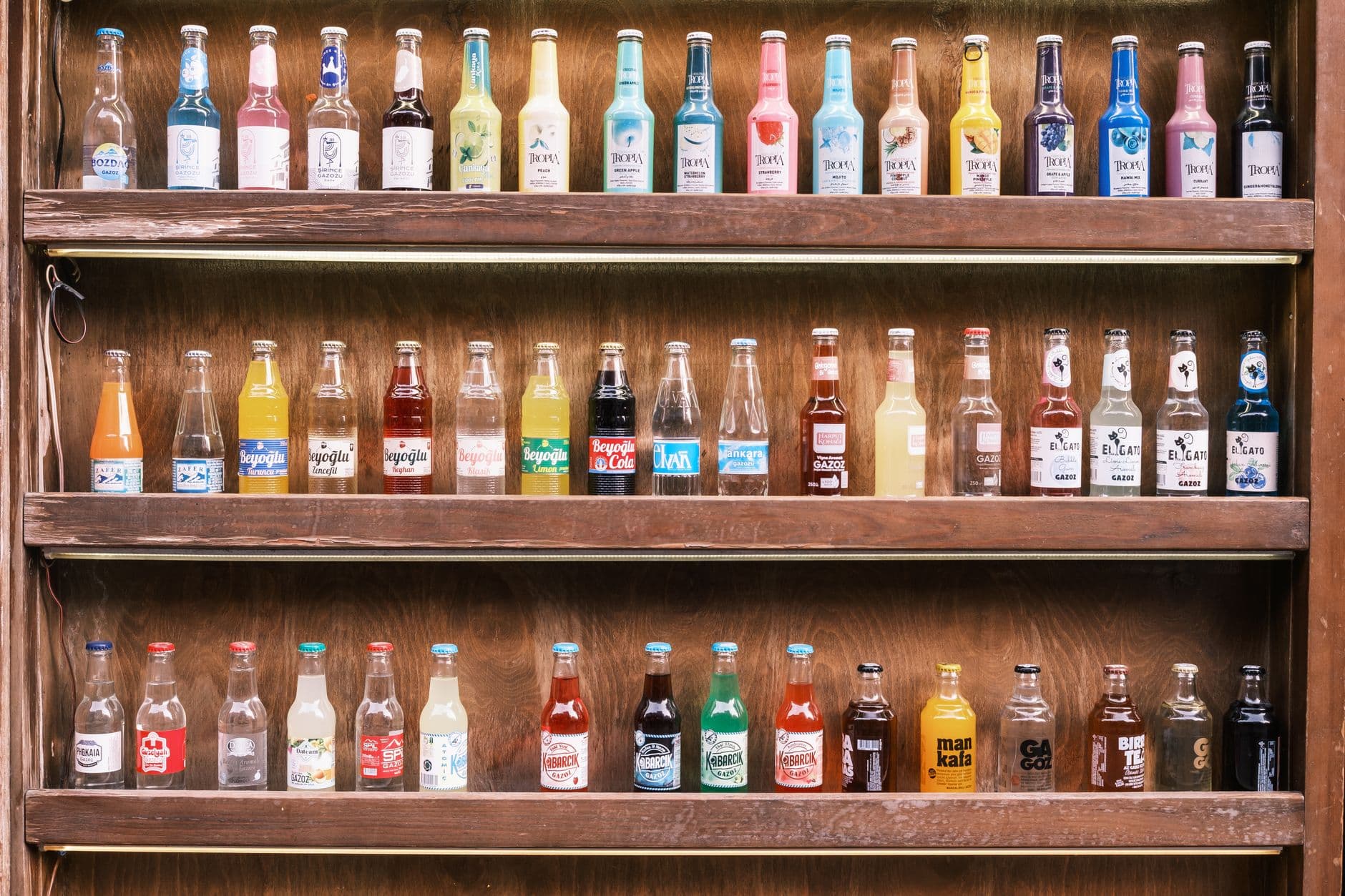
A 12-ounce can of Proda arrived exclusively at Sprouts Farmers Market in March 2026 looking more like soda than a shake. Proda and Fave show two different ways to make protein feel friendlier: one leans on soda nostalgia and clear whey to make protein feel like a refreshment; the other uses powdered drink-mix convenience to make protein easier to live with during the day.
Nostalgia is doing real work in protein
The old protein script was built around thick shakes, chalky textures, and recovery language that screamed gym bag more than everyday beverage. Proda takes aim at that baggage by launching as a protein-infused soda, a format that instantly shifts the category from obligation to indulgence. The brand was co-founded by wellness entrepreneur Matthew Postlethwaite and Suja Juice co-founder Jeff Church, which gives it both lifestyle and functional-beverage credibility.
Each 12-ounce can carries 10 grams of clear whey protein isolate, 3 grams of fiber, zero sugar, and natural sweeteners. The formula keeps the promise of protein while stripping out the heaviness that has kept a lot of shoppers from treating protein drinks like something they actually want to sip.
A soda frame makes protein feel closer to refreshment than supplementation in a market where consumers increasingly want function without the compromise. Proda is trying to sit in the space between better-for-you soda and functional nutrition, which is exactly where a lot of beverage brands are now pushing.
Clear whey gives Proda its drinkability edge
Clear whey protein isolate is the technical move that makes the soda concept viable. In a standard shake, protein is often the main event and mouthfeel is the penalty. In a carbonated or soda-like format, the expectation flips: the drink has to be light, bright, and fast to finish, or the whole thing falls apart.
The zero-sugar formula and natural sweeteners help keep the drink light. Ten grams is enough to signal function without pushing the drink into meal-replacement territory, and 3 grams of fiber adds a little nutritional structure without dragging the texture down.
Sprouts has become a useful proving ground for products that want to blend wellness cues with mainstream flavor appeal, and a protein soda fits neatly into that lane. The brand is not asking shoppers to rethink protein from scratch; it is borrowing a familiar soda format and loading it with a more modern nutritional profile.
Fave takes the opposite route with powder convenience
If Proda is about reframing protein as a ready-to-drink pleasure, Fave is about making protein easier to mix into life. The brand debuted in February 2026 as a better-for-you alternative to conventional powdered drink mixes, which puts it in a format people already understand but often underestimate. Drink mixes let shoppers control sweetness, intensity, serving size, and sometimes price per serving, which is a real advantage for anyone who wants flexibility instead of a fixed can.
That flexibility also explains why powder still has a place in a category that keeps chasing RTD innovation. The format is lighter to ship, easier to stash in a desk drawer or take on a trip, and simple to portion for different routines. Fave is leaning into that utility while trying to make the experience more playful, with flavors including strawberry lemonade, fruit punch, and tangy orange.
Founder Ryan Raish started the concept during a grocery run with his three kids, and Fave is inspired by nostalgic childhood drinks reimagined with better ingredients. It borrows the same emotional logic as Proda, just through a different format: instead of asking shoppers to think about protein first, it starts with a drink memory they already like.
Why nostalgia and convenience keep showing up together
These two launches are not competing answers to the same question so much as parallel attempts to solve the same consumer barrier. People want more protein, but they do not want the chalky, serious, gym-coded experience that has long defined the category. Nostalgia branding solves that by making the drink feel familiar and fun; powder-format convenience solves it by making the habit easier to maintain.
That pattern fits the wider beverage market too. In 2025, beverage trends paired nostalgic twists with health-driven innovation, and protein beverages moved into formats people already know and enjoy, including soda, coffee, and sparkling water.
Fave raised a $1 million seed round and launched at Sprouts Farmers Market, with a rollout at 500 Sprouts stores. The company is backed by Poppi and Goodles investors, which suggests the market sees room for a better-for-you powdered mix that feels more lifestyle than supplement.
What retailers and brands should pay attention to
For retailers, products like Proda and Fave expand the protein set beyond the usual choices of milkshakes, clear protein drinks, and classic powders. That gives the shelf more range for shoppers browsing for an afternoon pick-me-up instead of a post-workout recovery drink. A soda-style protein can bring in the impulse buyer; a flavored powder mix can capture the shopper who wants control and portability.
For brands, the point is repeatable enjoyment rather than novelty for its own sake. Clear whey, carbonation, nostalgic flavor names, and powder pouches all help remove the old barriers, but taste, mouthfeel, value, and functional clarity still have to line up.
This article was produced by Prism’s automated news system from verified source data, official records, and press releases, then run through automated quality and moderation checks before publishing. The system is built and supervised by the people who set the standards it runs under. Read our full AI policy.
Did this article answer your question?