Protein bars evolve into a broader nutrition platform
Protein bars are splitting into niche missions, from prebiotic refrigerated bars to savory and collagen plays, while health-led formats outgrow the old cereal-bar aisle.
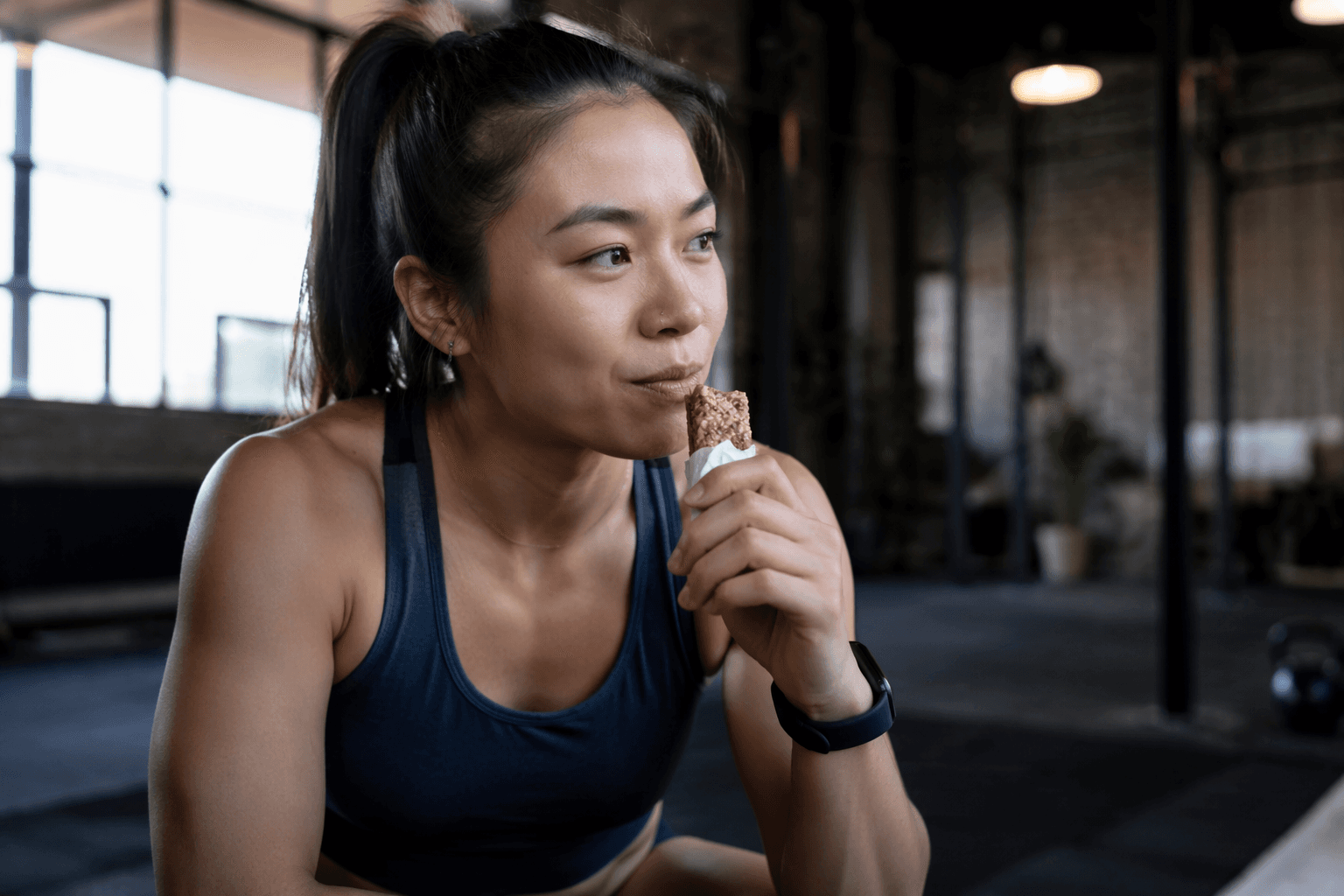
Protein bars are no longer just a faster way to eat lunch in the car. They have become a platform for protein, fiber, collagen, probiotics, and other functional ingredients, with each new launch trying to solve a different job for the shopper. That shift is showing up in the sales data too: the bars that look and act more like health products are gaining ground, while the old cereal-bar center of the aisle keeps losing momentum.
The bar aisle is splitting into distinct jobs
What keeps bars relevant is still basic: they are portable, clean, and easy to understand. But the category now works because brands can pack a lot of nutrition into a small format and telegraph the promise immediately on the wrapper. The front of pack has become valuable real estate for signaling protein grams, added sugar, fiber, collagen, or prebiotics, and that makes bars one of the most efficient ways to commercialize protein at shelf speed.
The important change is that bars are no longer competing as one generic snack. A startup has to decide whether it is making a protein bar, a dessert bar, a savory bar, or a refrigerated novelty bar, because each one asks for a different consumer promise. That is where the fragmentation shows up: the winning product is not simply “a bar,” but a bar built for a precise occasion, whether that is post-workout satiety, afternoon energy, dessert replacement, or a better-for-you breakfast backup.
The growth is real, but it is not evenly spread
Circana’s numbers make the split impossible to ignore. The broader snack bars and granola bars category reached $10.9 billion in dollar sales for the 52 weeks ending March 22, 2026, up 7.1% from the prior period. Inside that total, the breakfast, cereal, snack bars, and clusters subcategory fell 6.4% to $2.3 billion, while nutritional and intrinsic health value bars rose 15.4% to $5.9 billion.
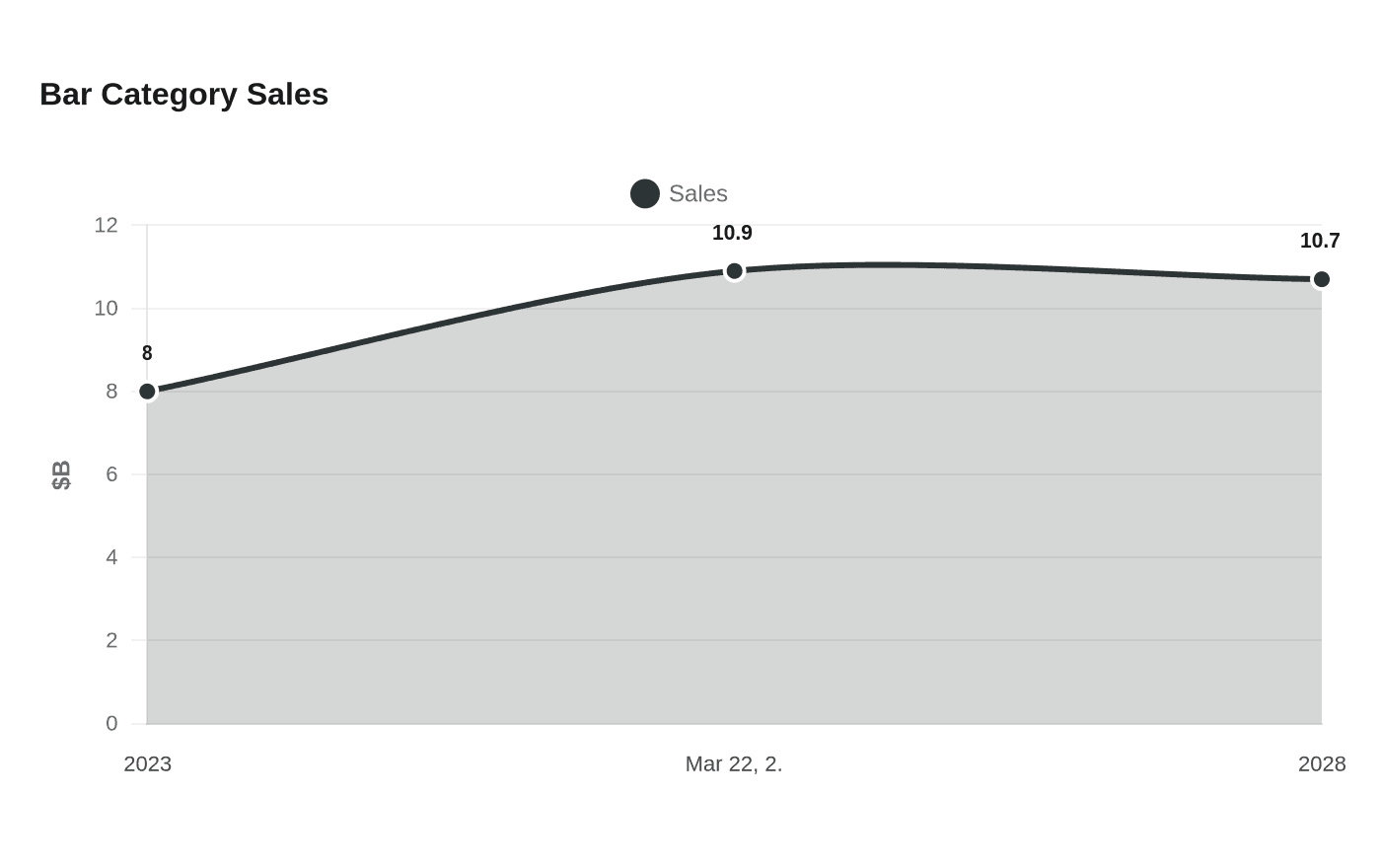
That divergence is the story. The bars consumers still want are the ones that feel more clearly health-oriented and more worth a premium price. Circana had already said bars generated $8 billion in sales in 2023, and Mintel projected the category would reach $10.7 billion by 2028. The direction of travel is clear: the aisle is not shrinking, but it is being reorganized around function, not just flavor.
Price pressure is part of that equation. Circana said snack prices were about 30% higher than they were five years earlier in a 2024 discussion of bar sales. In that kind of environment, a bar has to justify itself as more than a sweet snack. Shoppers want something that earns the spend with protein, convenience, and a clearer nutritional return.
Startups are building bars for narrower consumer promises
The newest launches show how specific the category has become. Perfect Snacks expanded its Perfect Bar portfolio with Protein + Prebiotics refrigerated bars, giving the line 20 grams of protein and prebiotic fiber. Refrigeration alone changes the positioning: it makes the bar feel fresher, more perishable, and closer to a functional food than a pantry candy bar.
Raw Nutrition took a different route with candy-bar-inspired protein bars that deliver 18 to 21 grams of protein and 1 to 5 grams of added sugar. That is the indulgence play in its most modern form: keep the candy-bar cues, but put the macros front and center so the shopper feels like the treat is controlled. Barebells pushed in the same broad lane with mint chocolate crisp protein bars carrying 20 grams of protein and no added sugar, and then followed with a U.S.-exclusive Key lime pie bar that also delivers 20 grams of protein and zero added sugar.
These launches show how a bar can now lean hard into lifestyle identity. One shopper wants dessert without the sugar hit. Another wants prebiotic support. Another wants a refrigerated product that feels a little more premium. The category is no longer about finding one broad taste profile that works for everyone.
Investor money is following the functional split
The most interesting newer bars are not only selling protein, they are selling a reason to belong in a specific routine. Stars + Honey, founded by Daniel Rainey in 2023, raised $24 million from VMG Partners for a collagen protein bar positioned around skin elasticity, hair health, and joint comfort. That is a very different pitch from a conventional sports bar: it speaks to beauty-from-within and everyday wellness as much as satiety.
Mezcla raised $9.5 million in a Series B round led by Bluestein Ventures to expand distribution and innovation, showing that investors still see room for more bars if the concept is sharp enough. David Protein gives the clearest proof of how fast the premium protein-bar lane can move. It launched in September 2024 and later raised $75 million in a Series A round in 2025, a pace that reflects the appetite for bars marketed around muscle and satiety rather than just convenience.
The common thread is that investors are not backing “bars” in the abstract. They are backing narrow claims, clearer macros, and a sharper identity at the point of sale.
The broader snacking market is pushing bars toward health and purpose
NIQ’s view of the snacking business helps explain why bars keep attracting capital and product churn. Snack food accounts for $135 billion-plus annually, and consumers increasingly want convenience plus health benefits. NIQ also said Expo West 2026 reflected a marketplace shaped by metabolic health awareness, GLP-1-influenced eating behavior, and high-protein reinventions.
That matters because bars sit right at the intersection of those trends. They are easy to carry, easy to portion, and easy to label with the exact nutritional cue a shopper is hunting for. In a crowded snack market, that combination is hard to beat, but it also raises the bar for what wins. The products that stand out are the ones that make the function obvious, the ingredient story legible, and the occasion specific.
This article was produced by Prism’s automated news system from verified source data, official records, and press releases, then run through automated quality and moderation checks before publishing. The system is built and supervised by the people who set the standards it runs under. Read our full AI policy.
Did this article answer your question?