Protein-boosted rice could fight hidden hunger and cut emissions
Protein-fortified rice is being pitched as a diet fix and a climate tool, but the real test is whether high-yield grains can beat hidden hunger without losing ground.
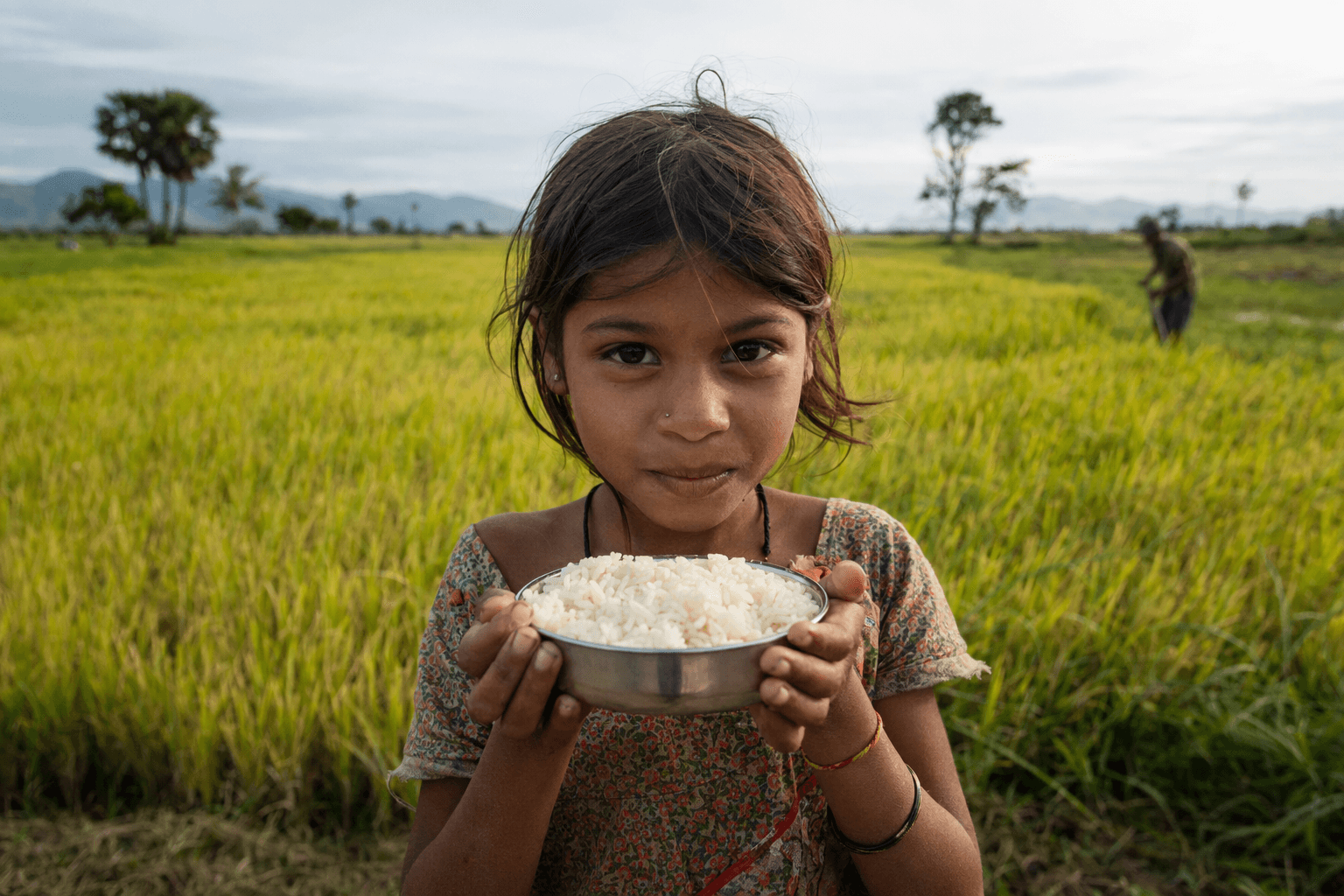
Protein-boosted rice is being sold as two things at once: a fix for hidden hunger and a lower-emissions way to feed more people. That pitch sounds tidy, but the real question is whether breeders can raise protein without giving up yield, affordability, or the speed farmers need.
A review titled Cereal protein biofortification at the interface of nutrition, yield and sustainability put the case in sharp focus. It tied cereal breeding to a huge nutrition gap, citing at least 14.77 million people worldwide living with protein-energy malnutrition, a figure that matches a 2022 analysis in Nutrients that put global cases at 14,767,275 in 2019. The argument is simple enough: if rice, wheat, and maize can be improved in the field and in the grain, people may get more protein without changing the staples already on their plates.
Rice sits at the center of that bet because it feeds more than half of the world’s population and naturally contains only about 6% protein. Nese Sreenivasalu of the International Rice Research Institute said rice is low in protein and lacks key essential amino acids needed for growth, immunity, and overall health. That matters most in Asia and Africa, where rice is a daily calorie anchor and where the review says improving nutritional quality could have the biggest impact on hidden hunger.
The climate angle is not a side note. The review said a plant-based approach that combines cereals with protein-rich legumes could cut greenhouse gas emissions by up to 32% compared with animal sources. It also linked protein biofortification to broader agronomic and breeding work, arguing that better nutrition only scales if crop systems also lower their environmental footprint. One practical payoff is nutritional, another is systemic: replacing just 5% of refined carbohydrates with protein can significantly reduce the risk of non-communicable diseases.
The International Rice Research Institute says it has already developed high-protein rice with elevated essential amino acids such as lysine, plus an ultra-low glycemic index. The varieties are described as high-yielding and ready for harvest in 100 to 110 days, a shorter window than common rice types. That kind of package matters because farmers do not adopt promise alone. They adopt crops that hold yield, fit their calendar, and deliver a clear return.
That is the hard part of the story. Inside the grain, breeders are still balancing starch against protein, and better nitrogen-use strategies may be needed to keep one from crowding out the other. If cereal biofortification can clear that hurdle, it could become one of the rare food-system ideas that speaks to nutrition, climate, and productivity in the same breath.
This article was produced by Prism’s automated news system from verified source data, official records, and press releases, then run through automated quality and moderation checks before publishing. The system is built and supervised by the people who set the standards it runs under. Read our full AI policy.
Did this article answer your question?