Regenerative foods show higher protein and fewer heavy metals in early data
Early Regen Nutrition data show more protein and fewer heavy metals in regenerative foods, but the project still stops short of proving why the numbers move.
Regenerative foods are posting early gains in the lab, with pilot data showing more protein, better fat profiles and fewer heavy metals than conventional counterparts. The catch is the one brands cannot skip: the project is measuring real retail foods, not proving every reason those differences show up.
The Regen Nutrition Project, launched in 2024 by the Nutrient Density Initiative and Edacious, invites NDI’s 50-plus members, including food companies and farmers committed to regenerative production, to submit products for testing at Edacious’ food lab. The setup is straightforward and useful: side-by-side comparisons against conventionally raised retail samples, with the lab measuring more than 100 nutrients and contaminants, including fats, proteins, carbohydrates, vitamins, minerals, glyphosate and other common pesticides, plus heavy metals. Edacious says the pilot Regen Protein Project includes 30 samples and more than 3,000 data points.
So far, the data explorer includes chicken and beef, with the team saying the next expansion will move into grains and produce. NDI says Phase 1 ran from October 2024 to January 2025 and covered chicken, pork, beef, milk and yogurt. Phase 2 followed from February to April 2025 and added cheese, butter and eggs. That sequence matters because it shows the project is building category by category instead of making a sweeping nutrition claim off one crop or one farm.
The early read is encouraging, but the study design still leaves room between correlation and causation. NDI says the effort is an early assessment of real-world retail foods and does not yet explain all causes of nutrient variation. That is the proof gap. If a regenerative chicken tests higher in protein or a beef sample shows fewer heavy metals, the next question is whether the difference comes from soil biology, animal feed, breed, processing, geography, or some mix of all four.
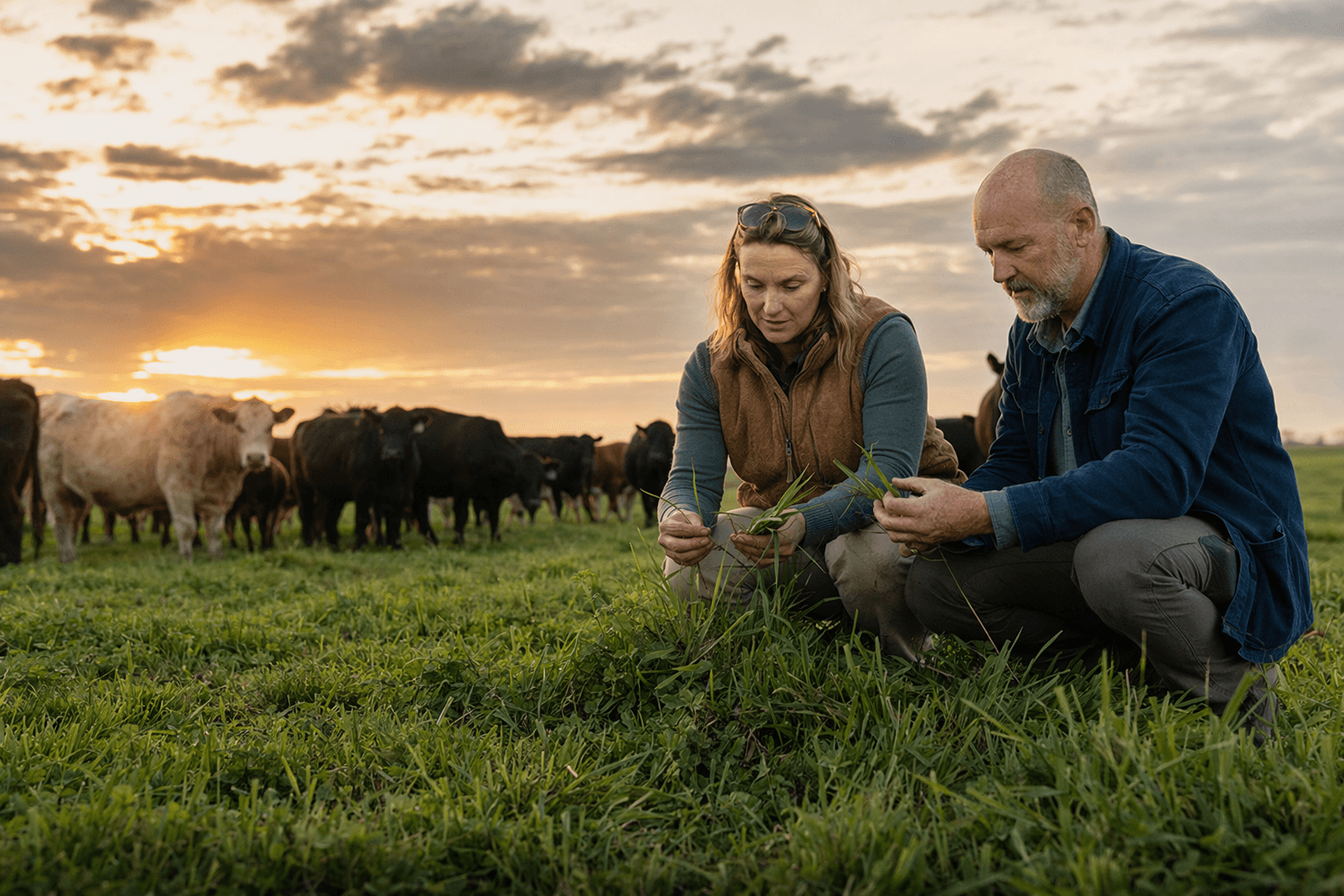
NDI says the work is meant to help farmers, researchers, brands and policymakers understand where regenerative systems show early signals of improved nutrient density and where more research is needed. Mary Purdy, managing director of NDI, says the data will be critical for showing that soil-building, eco-friendly practices can produce foods with higher nutrient density and for helping producers communicate that value credibly in the marketplace. Eric Smith, founder and CEO of Edacious, says the project responds to skepticism that labels reflect real differences and is meant to create science-based transparency.
That distinction matters before anyone turns this into a front-of-pack protein claim. A consumer-facing message would need repeatable results across multiple categories, enough sample depth to separate farm effects from product variation, and consistent methods that outside scientists and buyers can interrogate. Edacious and NDI are building that foundation, and the broader push, including a four-year partnership with the Regenerative Organic Alliance to test more than 200 certified products, suggests the industry wants those numbers to hold up under scrutiny, not just in a marketing deck.
This article was produced by Prism’s automated news system from verified source data, official records, and press releases, then run through automated quality and moderation checks before publishing. The system is built and supervised by the people who set the standards it runs under. Read our full AI policy.
Did this article answer your question?