Symrise says protein is evolving into a mainstream wellness cue
Protein is moving from a gym macro to a mainstream wellness cue, and the winning products now have to solve for taste, fiber, and everyday fit.
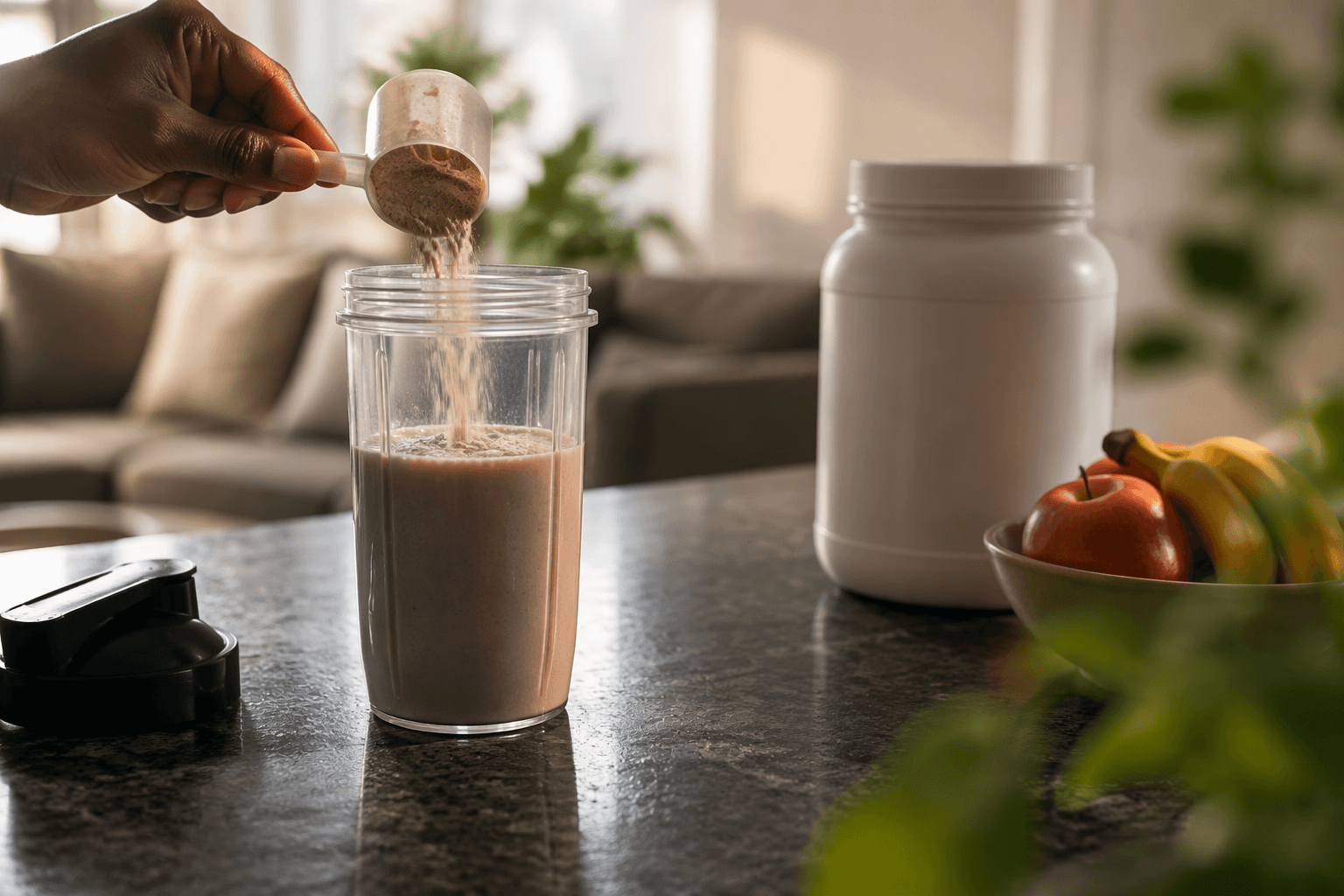
Protein now shows up at breakfast, in snacks, beverages, desserts, and complete meals. Symrise sees that shift pushing the conversation from quantity to fit, flavor, and function.
Protein has become a lifestyle platform
The biggest change is that protein is being judged like a full nutrition platform, not a single-purpose sports ingredient. Shoppers still want a meaningful protein number, but they also want convenience, better taste, and products that slot into real routines instead of demanding a separate eating occasion. That is why protein is increasingly paired with fiber, satiety, low sugar, micronutrients, and digestive support.
That broader framing matches adjacent wellness categories. Natural Marketing Institute’s March 3, 2026 release of its 2026 Supplements, OTC & Rx Consumer Trends Report put GLP-1, healthy aging, and market insights at the center of consumer behavior. Innova Market Insights sees global sports nutrition shifting from performance to holistic wellness, which helps explain why protein is showing up far outside the weight room.
What today’s protein consumer actually buys
The modern protein buyer is not only chasing grams. The decision usually comes down to whether the product feels practical, tastes good, and carries enough secondary benefits to justify repeating it every day. That is why the strongest launches are no longer the heaviest protein bombs on shelf, but the ones that combine protein with a broader benefit stack and a believable usage moment.
In practice, that means breakfast drinks that feel like a meal start, bars that are soft instead of sawdust-dry, and desserts that do not taste like a compromise. It also means formulations that recognize how GLP-1 medications are changing food choices, with more demand for nutrient-dense, portion-conscious products that do not overload the consumer but still feel satisfying. Healthy aging adds another layer, since older consumers are increasingly thinking about muscle maintenance and routine nutrition as part of staying well.
Where the growth is still coming from
Bars and supplements remain the clearest proof that protein is still expanding, even as the category matures. Grand View Research valued the global protein bar market at $15.8 billion in 2025 and projects it will reach $16.7 billion in 2026 and $24.2 billion by 2033. The same firm valued the protein supplements market at $29.8 billion in 2025, with a forecast of $31.9 billion in 2026 and $63.2 billion by 2033.
In the U.S., Glanbia put the protein bar market at $4.03 billion and annual volume at 3.0 billion bars. Fortune Business Insights also pegged the global protein bar market at USD 15.97 billion in 2024 and projected it would rise to USD 24.25 billion by 2032.
Why formulation quality matters more now
The more mainstream protein becomes, the less tolerance there is for the old tradeoffs. Chalky textures, off-notes, dryness in bars, and that heavy aftertaste in certain shakes are no longer acceptable just because the label says high protein. Consumers who buy protein for everyday use are comparing it against the rest of their pantry, not against a bodybuilding supplement shelf.
That is where ingredient suppliers such as Symrise matter. The category is no longer only about adding protein to a formula; it is about making protein palatable, stable, and compatible with clean-label expectations and sensory quality. In the real world, that means getting the mouthfeel right in beverages, keeping bars from turning dry and dense, and making sure added protein does not wreck the dessert experience.
A workable next-generation protein product usually has a few things in common:
- Protein plus another functional cue, such as fiber or digestive support
- A flavor profile that tastes like food, not a compromise
- Texture that survives shelf life without going gritty or dry
- A label that feels clean and understandable
- An occasion that is obvious at first glance, whether that is breakfast, post-workout, or a midafternoon snack
Labeling is part of the product, not an afterthought
The regulatory side matters because protein claims are not just marketing language. U.S. Food and Drug Administration guidance treats protein claims as regulated nutrient content claims, and protein claims on labels have to comply with Daily Value and %DV requirements. That means the front of pack has to match the nutrition facts panel, and the claim has to hold up as more than a vague wellness signal.
Brands chasing the protein halo need both credibility and clarity: compliant labeling, a sensible serving size, a taste people will repeat buy, and a benefit that makes sense for the moment of use.
This article was produced by Prism’s automated news system from verified source data, official records, and press releases, then run through automated quality and moderation checks before publishing. The system is built and supervised by the people who set the standards it runs under. Read our full AI policy.
Did this article answer your question?