Tyson widens beef losses as cattle shortages drive record costs
Tyson’s beef unit lost $202 million in the quarter as cattle shortages pushed costs higher and volumes fell 13.1%.
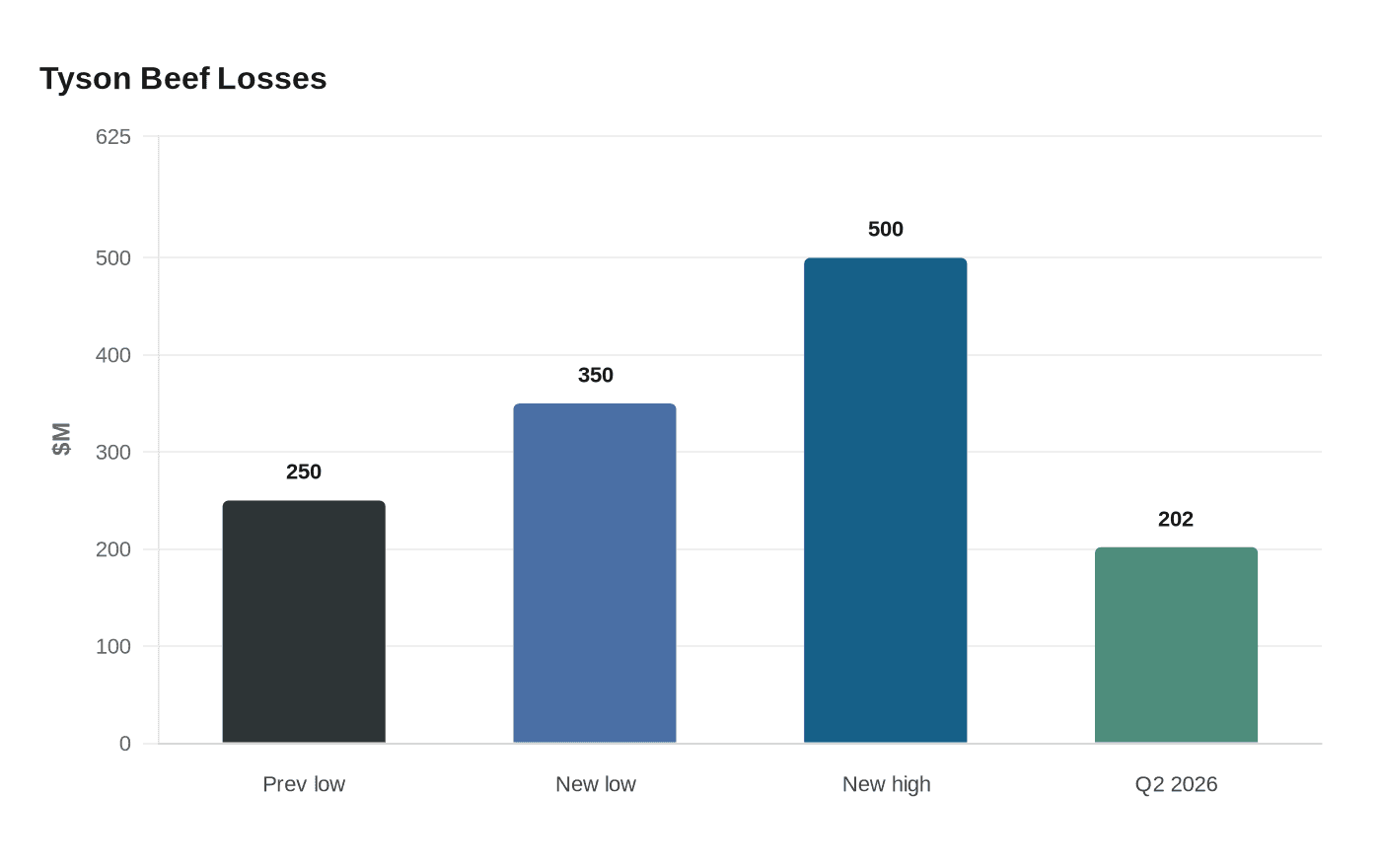
High cattle costs are crushing Tyson’s beef margins even as beef prices stay elevated, underscoring how a tight supply of live cattle can hurt packers long before shoppers feel any relief at the meat case. Tyson said on May 4 that its fiscal 2026 beef loss was now expected to range from $350 million to $500 million, widening from an earlier low-end forecast of $250 million.
The second-quarter picture was just as stark. Tyson’s beef segment lost $202 million in fiscal 2026’s second quarter, compared with a $113 million loss a year earlier. Beef sales volumes fell 13.1% in the quarter, while prices rose 11.5%, a combination that shows how higher beef prices do not automatically translate into stronger processor earnings when cattle costs rise even faster.
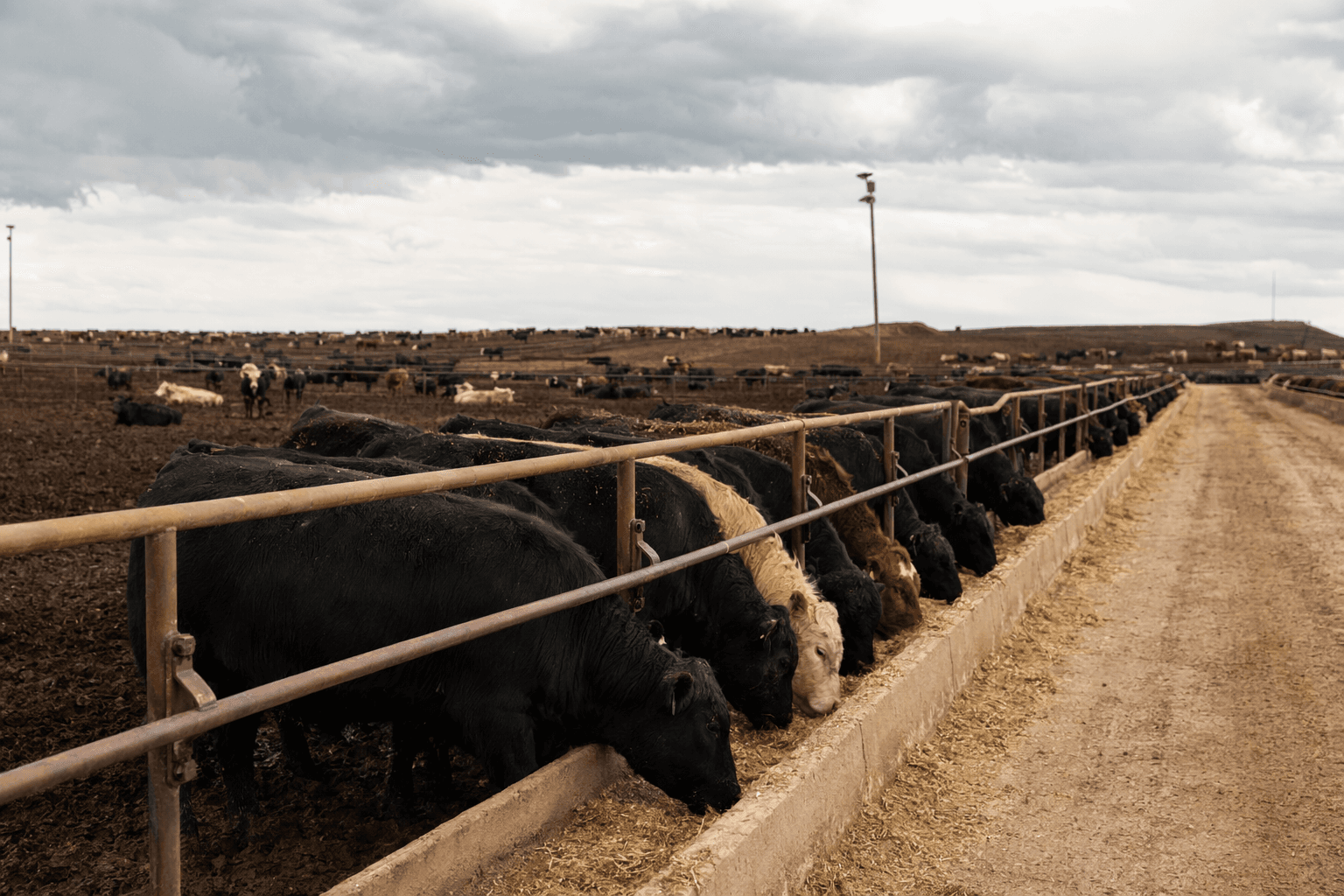
The supply crunch traces back to the herd itself. Devin Cole said the U.S. cattle herd is the smallest since 1951 and 9% smaller than it was in 2019. The U.S. Department of Agriculture put the herd at 86.2 million head in January 2026, the lowest since 1951, after years of drought forced ranchers to sell breeding stock instead of rebuilding herds.
Tyson has already moved to match output with the smaller supply. The company closed its Lexington, Nebraska beef plant in January 2026 and cut operations at its Amarillo, Texas beef facility to a single shift, both aimed at improving capacity utilization. Those steps reflect a blunt reality for the packing business: with fewer cattle to buy, the system can struggle to keep plants full enough to spread fixed costs, even when beef prices remain high.
The pressure on beef has been partially offset by stronger chicken and prepared foods results, as consumers shift toward cheaper proteins such as chicken and pork. Tyson raised its full-year adjusted operating income outlook to $2.2 billion to $2.4 billion, and its first-half sales reached $27.966 billion, with second-quarter sales at $13.653 billion. Shares jumped after the update, but the beef segment remains the clearest sign of how the cattle shortage is reshaping the entire animal protein supply chain.
This article was produced by Prism’s automated news system from verified source data, official records, and press releases, then run through automated quality and moderation checks before publishing. The system is built and supervised by the people who set the standards it runs under. Read our full AI policy.
Did this article answer your question?