Monday.com blends self-serve growth with enterprise sales motion
Monday.com’s growth engine is not either-or. The product wins the first team, then sales, security, and procurement turn usage into enterprise-wide revenue.
PLG is the doorway, not the whole building
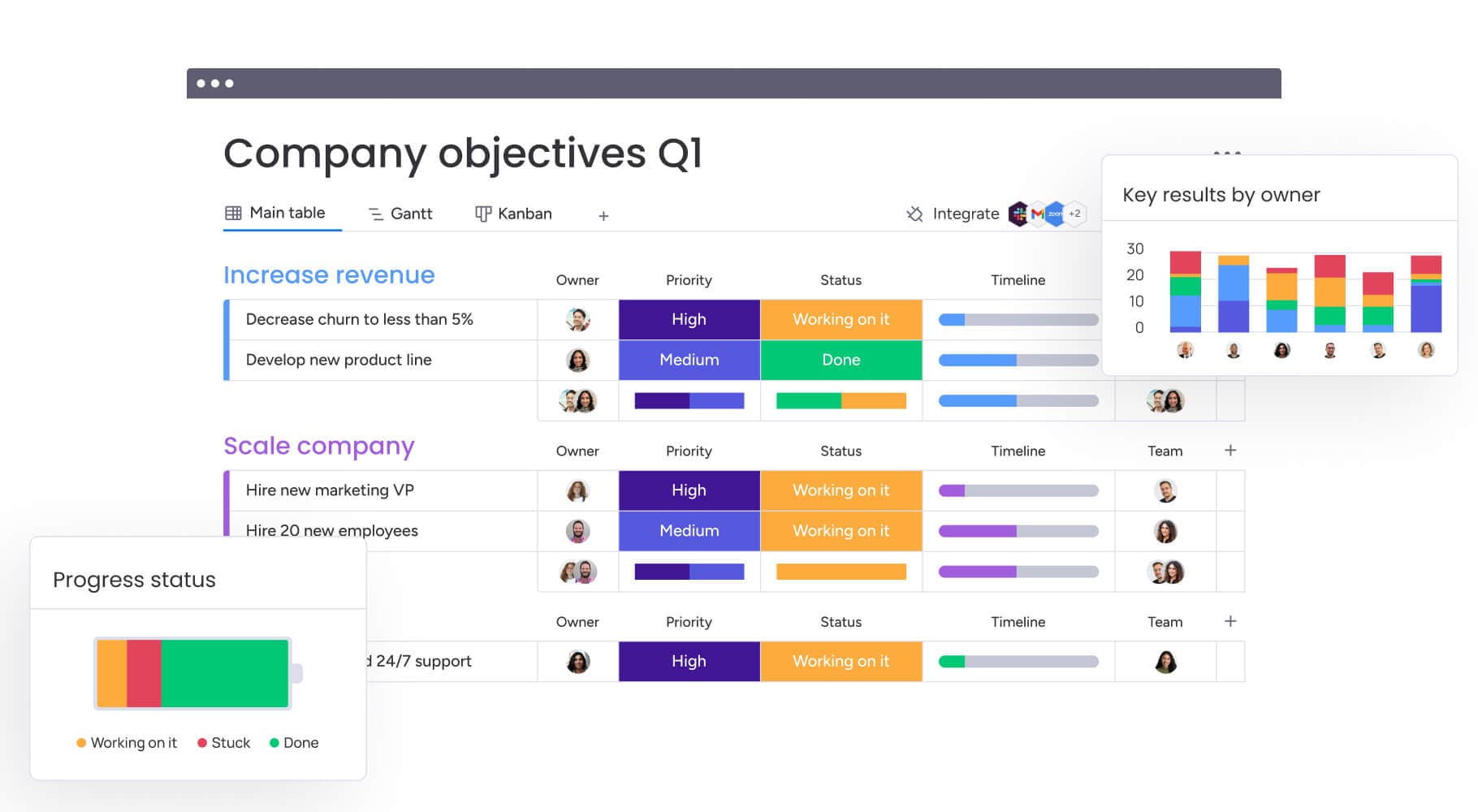
Monday.com’s growth model looks less like a battle between product-led growth and sales-led selling, and more like a careful division of labor inside the customer journey. The product is expected to create the first moment of value quickly, but larger organizations still need human help to clear security reviews, handle procurement, structure onboarding, and expand adoption across teams.
That is why the company’s motion makes so much sense for a SaaS workplace audience. A small team can start in a self-serve way, invite colleagues, and spread organically if the workflow feels intuitive. When the account gets larger and more complex, the buying process changes, and monday.com’s own strategy shifts with it.
A hybrid motion built into the flywheel
Atlassian’s definition of product-led growth is a useful reference point because it captures the part of the journey software can own on its own: discovery, trial, and initial conversion. Monday.com has taken that logic seriously, but it has not treated it as a complete replacement for sales. In its filings, the company has described a “flywheel” approach, where it first gains acceptance from an individual user or team and then expands vertically and organically inside the customer’s organization.
That framing matters because it explains why monday.com keeps talking about both self-serve funnel scale and an expanding sales-led motion. The company is not backing away from product-led discovery. It is layering human support on top of it, especially where enterprise buying requires multiple stakeholders, compliance checks, and a more formal rollout. For engineers and product managers inside monday.com, that means the product experience is inseparable from revenue performance.
The broader industry debate has moved in the same direction. ProductSchool and General Catalyst both frame the question as hybrid rather than binary: product-led discovery, sales-led expansion, and customer success keeping the flywheel moving. For a company like monday.com, that is not an abstract model. It is the operating system behind how teams get adopted, how accounts grow, and how enterprise contracts get closed.

The numbers show the model working at scale
The company’s recent results make that hybrid motion concrete. In Q1 2026, monday.com reported revenue of $351.3 million, up 24% year over year, with net dollar retention of 110% overall and 115% for customers with more than $100,000 in annual recurring revenue. The company also had 65,016 paid customers with more than 10 users, up 7% from 60,566 a year earlier, and it logged record net adds of customers with more than $500,000 in ARR.
Those numbers tell a familiar monday.com story, but at a bigger scale. The self-serve side helps the company land more customers, while the enterprise side helps it expand those same accounts into larger, stickier relationships. Net retention above 100% is a sign that the platform is not just getting used, it is becoming harder to remove once teams rely on it for core work.
The prior quarters sharpen that picture. In Q2 2025, revenue reached $299.0 million, up 27% year over year, and management said demand was especially strong from enterprise customers. That same quarter, monday CRM reached $100 million in ARR, a milestone that shows how a product can begin as a workflow entry point and then mature into a meaningful revenue line of its own.
By Q3 2025, revenue had climbed to $316.9 million, up 26% year over year. New products accounted for more than 10% of total ARR, and more than 60,000 apps had been built on monday vibe in roughly three months. By Q4 and full-year 2025, monday.com reported fourth-quarter revenue of $333.9 million and full-year revenue growth of 27%, while customers with more than $50,000 in ARR represented 41% of total ARR. The message across those quarters is consistent: product innovation is widening usage, and enterprise motion is monetizing that usage more deeply.
Product launches widen the self-serve surface
Monday.com’s product strategy is clearly designed to support that motion. At its Elevate conference on September 17, 2025, the company introduced monday agents, launched monday campaigns, and made monday magic, monday vibe, and monday sidekick generally available. It also added enterprise-grade capabilities, signaling that the platform is being built not just for quick adoption, but for governance, standardization, and cross-functional rollout.

That combination matters because the best PLG products reduce the work required to feel value, while enterprise features reduce the friction required to buy at scale. monday.com appears to be doing both at once. If a user can start fast and see immediate utility, sales does not have to spend time proving basic usefulness. Instead, sales can spend more time on the harder parts of the deal: security, approvals, procurement, and expansion into larger workspaces.
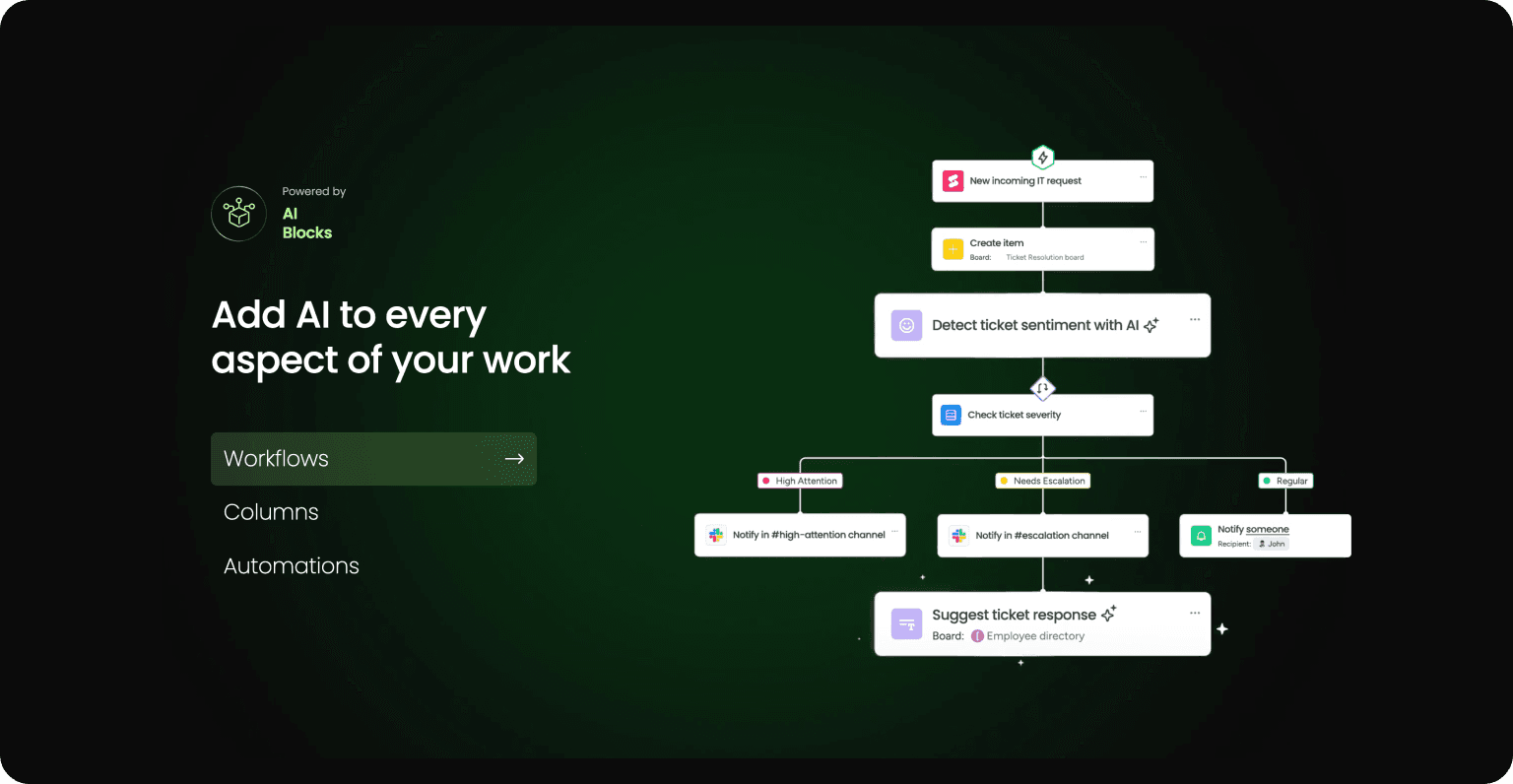
The AI layer is especially important here. monday.com has framed its new AI capabilities as easy to adopt and useful from day one, which is exactly the kind of product behavior that supports self-serve growth. AI features can only strengthen a PLG motion if they reduce complexity rather than add another layer of configuration, and monday.com seems intent on making that promise real inside the product rather than in a services deck.
What this means for monday.com teams
For workers inside monday.com, this is not just a sales strategy story. It is a design challenge that reaches from product decisions to support workflows to quota planning. Every confusing onboarding step increases the burden on account teams. Every clear activation flow gives sales and customer success a stronger base to expand from.
The company’s scale makes that especially visible. monday.com says more than 250,000 customers worldwide use its platform, while its customer-story pages say more than 180,000 companies rely on monday.com. The gap between those figures reflects the difference between broad platform reach and deeper organizational penetration, and that is exactly where the hybrid model lives.
The clearest takeaway for monday.com is that growth is no longer about choosing a side. The product has to win the first meeting with the user, then the human organization has to win the rest of the account. That is a harder model to execute than pure self-serve, but it is also more durable, because it turns initial curiosity into embedded workflow and embedded workflow into enterprise revenue.
Know something we missed? Have a correction or additional information?
Submit a Tip