Monday.com expands trust center as enterprise security scrutiny grows
monday.com is turning trust into a sales asset, not a back-office chore. Its expanded trust center is built to keep enterprise deals moving when security scrutiny gets intense.
Security has become part of the sales motion
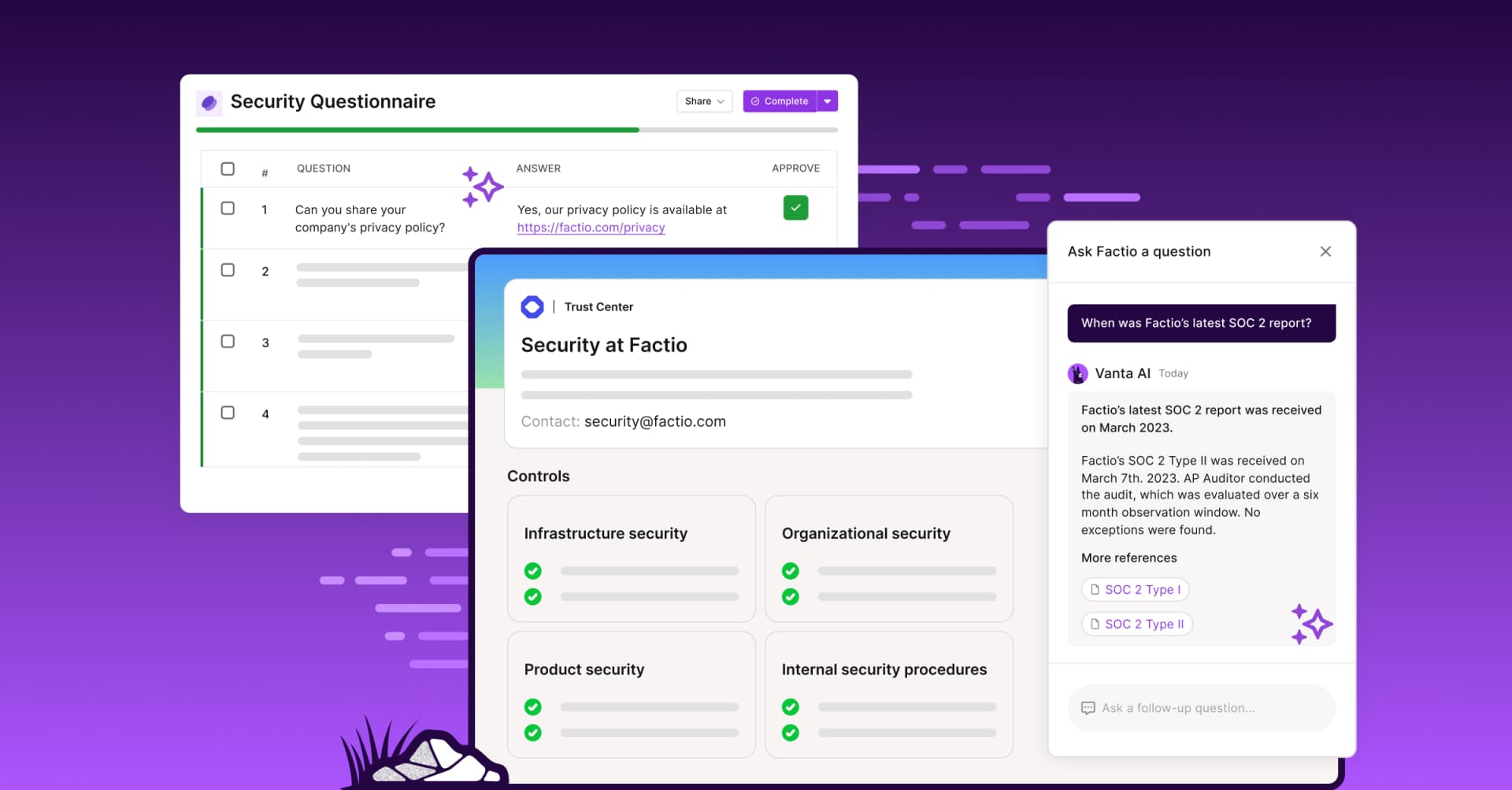
When monday.com sells into larger enterprises, security questionnaires are no longer an administrative nuisance tucked somewhere after the demo. They are part of the product’s commercial surface area, the place where deals either gain momentum or get stuck waiting for answers. Vanta describes security questionnaires as comprehensive sets of questions used to assess an organization’s security posture, and says they sit inside vendor, third-party, and internal security reviews.

That matters because enterprise buyers are not just checking whether a platform works. They are checking whether it can pass procurement, legal, and security review without creating weeks of back-and-forth. Common enterprise formats such as CAIQ, SIG, and VSAQ exist because buyers want repeatable answers, not improvised reassurance. For a company like monday.com, the ability to respond clearly and consistently is not paperwork. It is part of the selling experience.
monday.com is packaging trust like a product
monday.com says more than 250,000 enterprises and customers worldwide trust it to keep their data safe, and the company’s public trust materials are now built to support that claim in a way enterprise buyers can actually use. Its trust center includes a Security & Privacy FAQ, a Security Compliance Hub, security policies, and ISO, security, and privacy certificate materials. That is a meaningful shift from vague assurances to a structured set of artifacts that security teams can review quickly.
The company also says it maintains a managed private bug bounty program and conducts annual penetration tests with independent auditors. It says customer data is encrypted in transit and at rest, with TLS 1.3 or TLS 1.2 minimum and AES-256 or better. Its service data sits on AWS infrastructure in Northern Virginia, while Enterprise customers can choose EU data residency in Frankfurt, Germany. Those details matter because procurement teams routinely ask where data lives, how it moves, and how the company tests for weaknesses.
For monday.com, that means trust is no longer a side page on the website. It is a set of proof points that can help enterprise buyers move from concern to confidence without pulling a sales rep, solutions engineer, and security lead into the same slow loop every time.
Why procurement is really a risk review now
The broader shift is bigger than one company. CISA’s Software Acquisition Guide reflects a market where software procurement is tied to supplier risk review and security assurance, not just functional fit. Buyers want to know whether a vendor has controls, how those controls are governed, and whether the answers are consistent enough to rely on during review.
That is why security questionnaires and trust centers function like revenue infrastructure. A strong answer can shorten a sales cycle, reduce repetitive follow-up, and keep a promising opportunity from stalling while a buyer waits for documentation. A weak or scattered answer does the opposite. It creates doubt, forces extra review, and can quietly kill deals that might otherwise have closed on product strength alone.
For monday.com, this is especially relevant because enterprise AI adoption and broader platform expansion depend on confidence as much as capability. Buyers can be impressed by workflow automation, collaboration features, and product velocity, but if security responses are messy, those strengths do not travel far enough through procurement. Trust becomes part of the conversion path.
Inside monday.com, trust appears to be a shared function
monday.com’s support and trust materials suggest that security and privacy reviews are not handled by one isolated team. The company says its security efforts are guided and monitored by its CISO, and supported by a Security Team and a wider Security Forum with representatives from Infrastructure, R&D, Operations, Legal, and IT. That internal mix matters because it shows how enterprise answers are likely assembled: not as a last-minute sales task, but as a cross-functional operating process.
That structure is exactly what mature SaaS teams tend to build when enterprise demand grows. Engineering needs to know which controls can be documented quickly. Product teams need to understand which features trigger buyer questions. Sales needs answers that are defensible and repeatable. Legal and IT need to be aligned on what can be shared, and operations has to ensure the evidence stays current.
The practical implication is simple: compliance materials, trust-center content, and questionnaire answers should be treated like product assets. If they are maintained centrally and updated continuously, they can be reused across deals instead of recreated under pressure. If they are scattered across inboxes and slide decks, every new enterprise opportunity becomes a fresh scramble.
The scale of the enterprise business makes this more urgent
The timing matters because monday.com is already operating at enterprise scale. In February 2025, the company reported 1,207 customers with more than $100,000 in annual recurring revenue, up 45% from the prior year. In FY2025, it reported 4,281 customers above $50,000 in ARR. By February 2026, monday.com said customers with more than $50,000 in ARR represented 41% of total ARR, and customers above $500,000 in ARR reached 87.
Those numbers tell you where the pressure sits. The more monday.com moves upmarket, the more often it will encounter procurement teams that expect detailed security documentation before they will expand usage, standardize across departments, or sign bigger contracts. Enterprise accounts also tend to bring more stakeholders into the buying process, which means more questions, more reviews, and more chances for friction if the trust story is not tight.
That is why the trust center is not just a brand asset. It is a commercial one. It helps the company answer the exact concerns that show up when a customer moves from trying monday.com in a department to trusting it with broader operational data and larger budgets.
What it means for teams building monday.com
For engineers, the message is that security controls are part of the product narrative, not separate from it. When encryption, residency options, penetration testing, and bug bounty practices are documented cleanly, they become easier to explain to customers and easier to defend internally. That pushes product work toward clearer governance, stronger evidence collection, and fewer one-off exceptions.
For product managers, the trust center is a reminder that enterprise readiness is a feature set of its own. The questions buyers ask about data handling, hosting location, and review processes should shape how capabilities are documented and surfaced. For sales, the payoff is faster responses, less deal friction, and a better chance of keeping procurement from becoming the bottleneck.
That is the real story here. monday.com is not just expanding a trust center. It is building the machinery that lets enterprise confidence scale alongside enterprise revenue, and in today’s software market, that machinery can matter as much as the product itself.
Know something we missed? Have a correction or additional information?
Submit a Tip