monday.com explains why program managers matter as teams scale
As monday.com scales into bigger enterprise deals, program managers are the people keeping launches, ownership, and cross-team work from turning chaotic.
Why program managers matter when monday.com gets bigger
Program managers are the people who keep growth from turning into confusion. At monday.com, that means coordinating product launches, platform work, sales enablement, and customer-facing initiatives so they support one strategy instead of competing for attention.
The role matters because the pain points are familiar to anyone in a fast-moving SaaS company: duplicate work, unclear ownership, missing dependencies, and launches that slip because one team moved faster than another. Program managers sit in the middle of that mess and make sure the work stays connected.
The job is about influence, not control
The most important thing to understand about program management is that it is not the same as simply tracking projects. Program managers have to align strategy and execution across multiple related efforts, and they often do that without direct authority over everyone involved.
That makes the role especially valuable as companies grow more complex. Once product, operations, engineering, sales, and customer teams all have their own priorities, a simple checklist is no longer enough. Someone has to keep the work pointed toward a shared objective, manage dependencies, and keep people moving when no single manager owns the whole picture.
At monday.com, that lesson lands hard because the company’s own business is built around coordination. More than 250,000 customers worldwide use its platform to bring people, workflows, and AI agents together on one flexible system, which means the company is not just selling software, it is selling an operating layer for work itself.
What monday.com’s platform is signaling
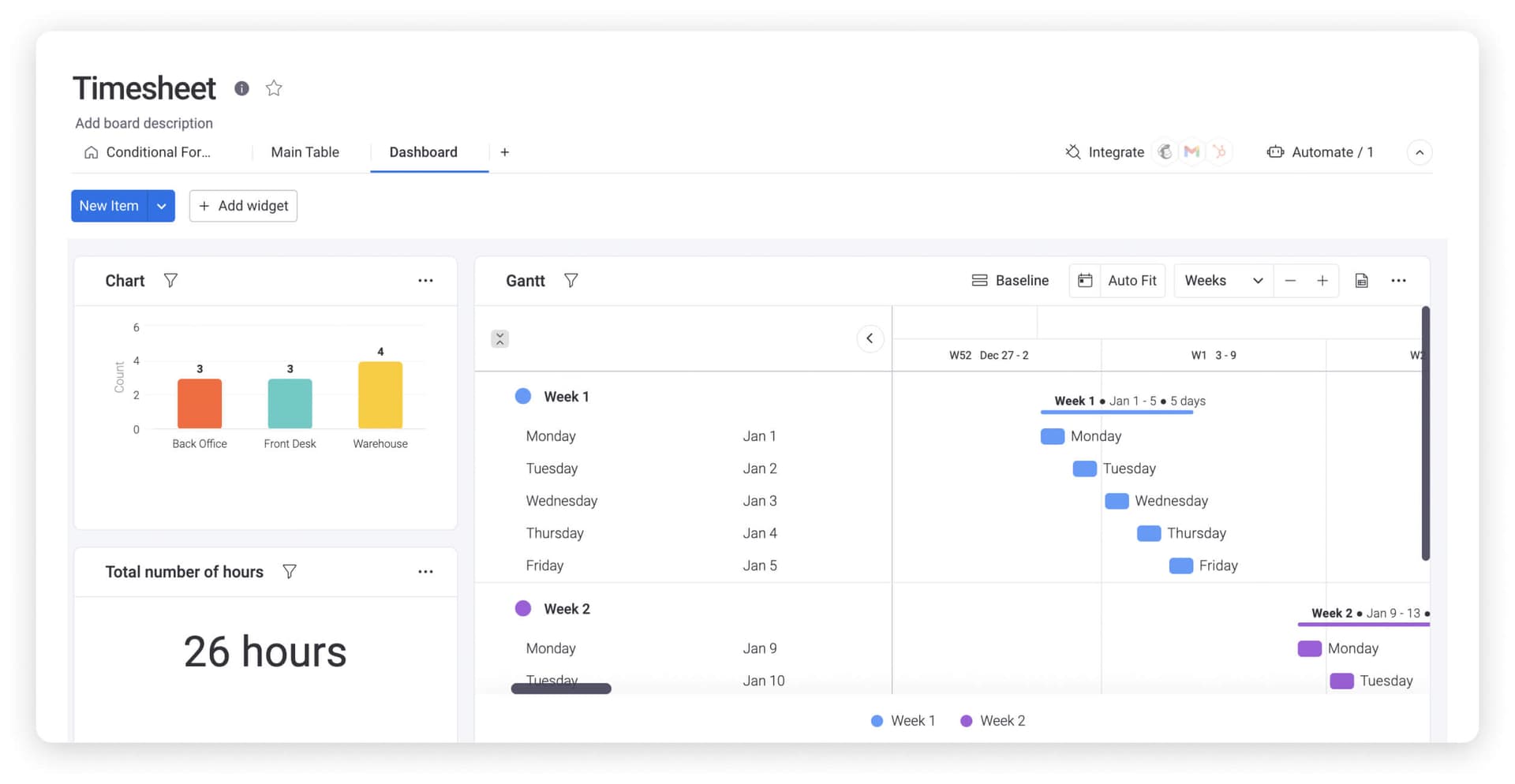
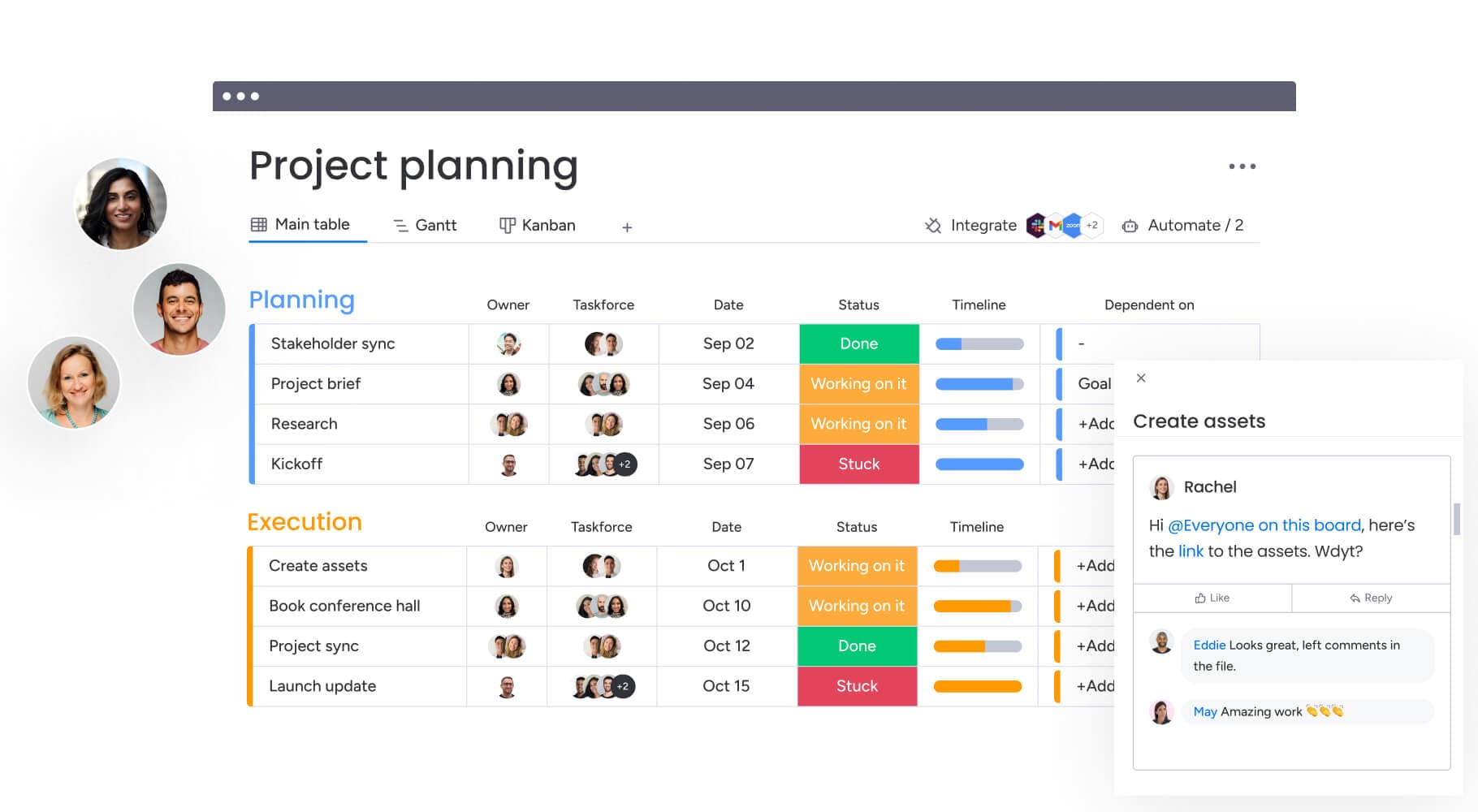
monday.com’s enterprise work-management materials show how the company is thinking about this problem internally and in the product. The platform emphasizes portfolio-wide dashboards, cross-project dependencies, advanced resource management, and AI-driven risk insights, all of which are designed to make planning and oversight less fragmented.
That matters because the old way of managing work often fails when teams get larger. A project might look fine inside one department while quietly creating bottlenecks somewhere else, and by the time leaders notice, the launch date is already at risk. The value of a program manager is that the warning signs surface earlier, in the form of missed handoffs, conflicting schedules, or teams duplicating work without realizing it.
AI is changing that equation, but not by eliminating the role. It reduces status-chasing and busywork, giving program managers more room to focus on judgment, sequencing, and strategic tradeoffs. In practice, that means less time collecting updates and more time spotting where a launch, customer rollout, or internal initiative could break down.
The growth story behind the need for coordination
The reason this feels so relevant at monday.com is simple: the company is operating at a larger scale, with more customers and more complex product motion. In 2025, monday.com reported full-year revenue growth of 27%, and in the fourth quarter revenue reached $333.9 million, up 25% year over year.
The mix of customers also points in the same direction. Customers with more than $50,000 in ARR represented 41% of total ARR in the fourth quarter, while monday.com said it added a record number of customers with more than $100,000 in ARR. The company also said monday vibe was the fastest product to surpass $1 million in ARR in its history, a sign that its product surface area is expanding quickly.
That scale creates exactly the kind of coordination burden program managers are built to absorb. Bigger customers tend to have more stakeholders, more dependencies, and less tolerance for sloppy execution, which raises the cost of every internal handoff. When sales, product, and customer success all have to line up around a launch or deployment, the people stitching those threads together become central to the business.
What changed in 2025 shows the same pattern
The second quarter of 2025 reinforced the same story. monday.com reported revenue of $299.0 million, up 27% year over year, and said monday CRM had reached $100 million in ARR. That combination tells you the company is pushing deeper into adjacent workstreams, not just selling a single point solution.
That matters for employees because product breadth creates execution complexity. More modules, more use cases, and more enterprise motion mean more cross-functional dependencies, more messaging alignment, and more chances for work to drift unless someone keeps the whole picture intact. Program managers are the layer that helps new products, sales motions, and customer launches land without creating a trail of confusion behind them.
The comparison with 2024 makes the shift even clearer. In the fourth quarter of that year, monday.com reported revenue of $268.0 million, up 32% year over year, and said net dollar retention was 112%, with record non-GAAP operating income. That kind of retention and efficiency can look like a financial story from the outside, but inside a company it usually means there is a lot more to coordinate as customers grow and expand usage.
Why this role matters inside the company
For engineers, product managers, and sales teams, program managers are often the people who translate strategy into a workable day. They reduce the odds that one team’s deadline becomes another team’s emergency, and they make it easier to see where ownership sits before a problem turns into a launch delay.
For monday.com itself, the broader message is that as the company describes itself as an AI work platform that turns strategy into execution at scale, the execution part becomes the real test. A company that serves hundreds of thousands of customers and keeps layering on enterprise functionality cannot afford scattered ownership or constant reinvention of the same coordination work.
That is why program management is not administrative overhead. At monday.com, it is the connective tissue that helps the company scale without drowning in its own momentum.
This article was produced by Prism’s automated news system from verified source data, official records, and press releases, then run through automated quality and moderation checks before publishing. The system is built and supervised by the people who set the standards it runs under. Read our full AI policy.
Know something we missed? Have a correction or additional information?
Submit a Tip