monday.com reframes Trello as simple, pitches AI work platform scale
monday.com is drawing a hard line: Trello for simple task tracking, monday for cross-functional work at scale. For employees, that shifts sales, product, and engineering priorities.
The maturity line monday.com wants buyers to see
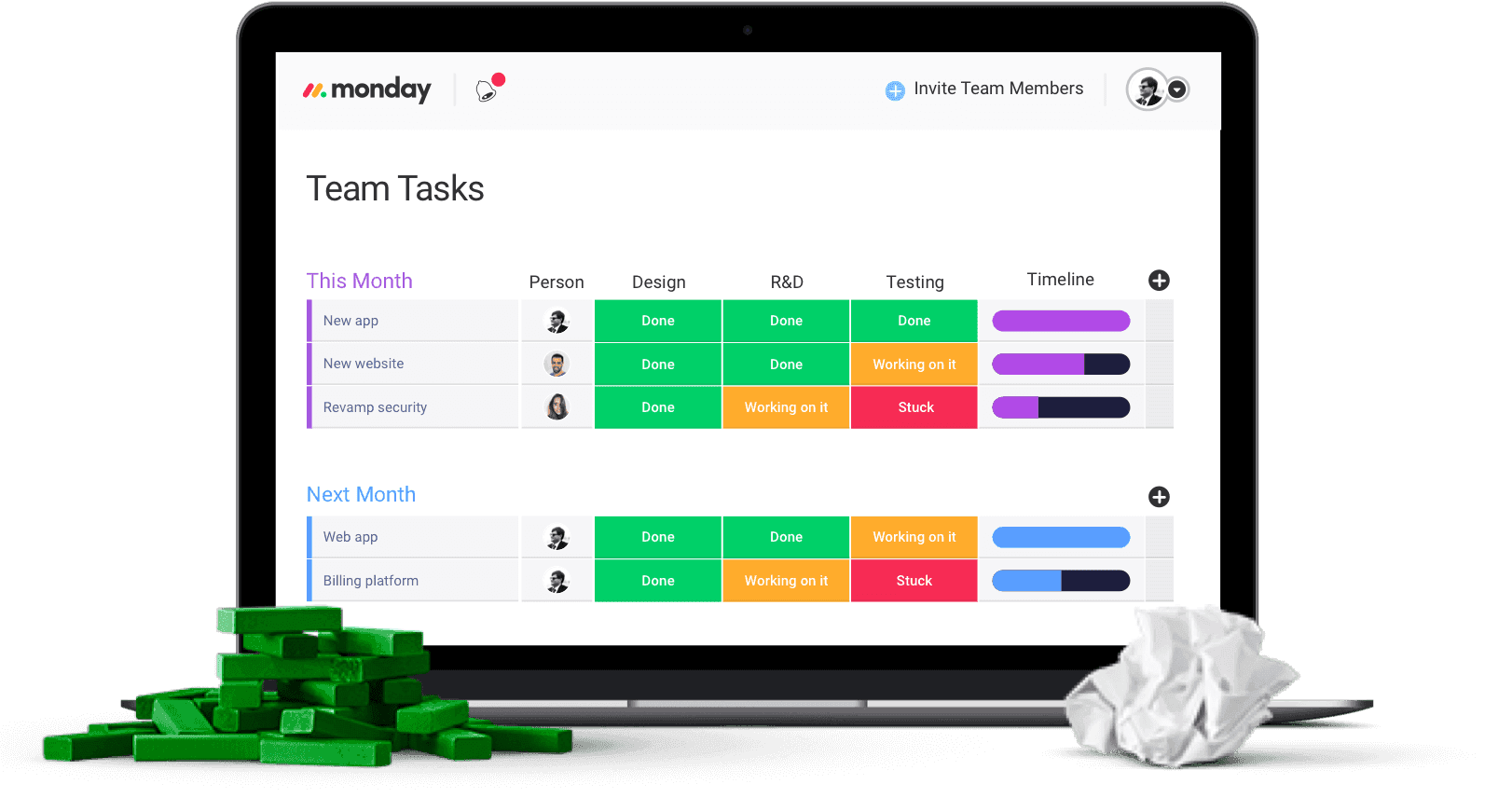
monday.com is no longer framing the category as a choice between two boards. It is drawing a line between lightweight task tracking and a fuller operating structure for teams that have outgrown it. In the company’s new comparison, Trello is positioned as a fit for small teams with simple workflows, while monday.com is cast as the place where portfolios, automations, reporting, and governance start to matter.
That shift is more than marketing. It mirrors the way work changes inside a company: a team can survive on cards and lists until more stakeholders enter the process, leaders start asking for portfolio visibility, and manual status updates become a drag on everyone involved. monday.com is essentially telling buyers that the tipping point is not philosophical, it is operational.
Where Trello starts to strain
Trello’s own model still centers on visual collaboration through boards, cards, lists, Power-Ups, and automation. That remains a strong fit when a team wants a simple way to track tasks and keep work visible. monday.com’s comparison, however, says that once organizations move into about 15 or more people, or start juggling multiple projects, visibility and reporting gaps begin to show.
That is the workplace moment the company wants its sales team to recognize in discovery calls. It is the point when a manager stops asking, “Who owns this card?” and starts asking, “How does this project connect to the rest of the portfolio?” It is also where reporting pressure starts to climb, because leaders want a single view of progress without forcing people to stitch together updates by hand.
Why monday.com is pitching a platform, not a tool
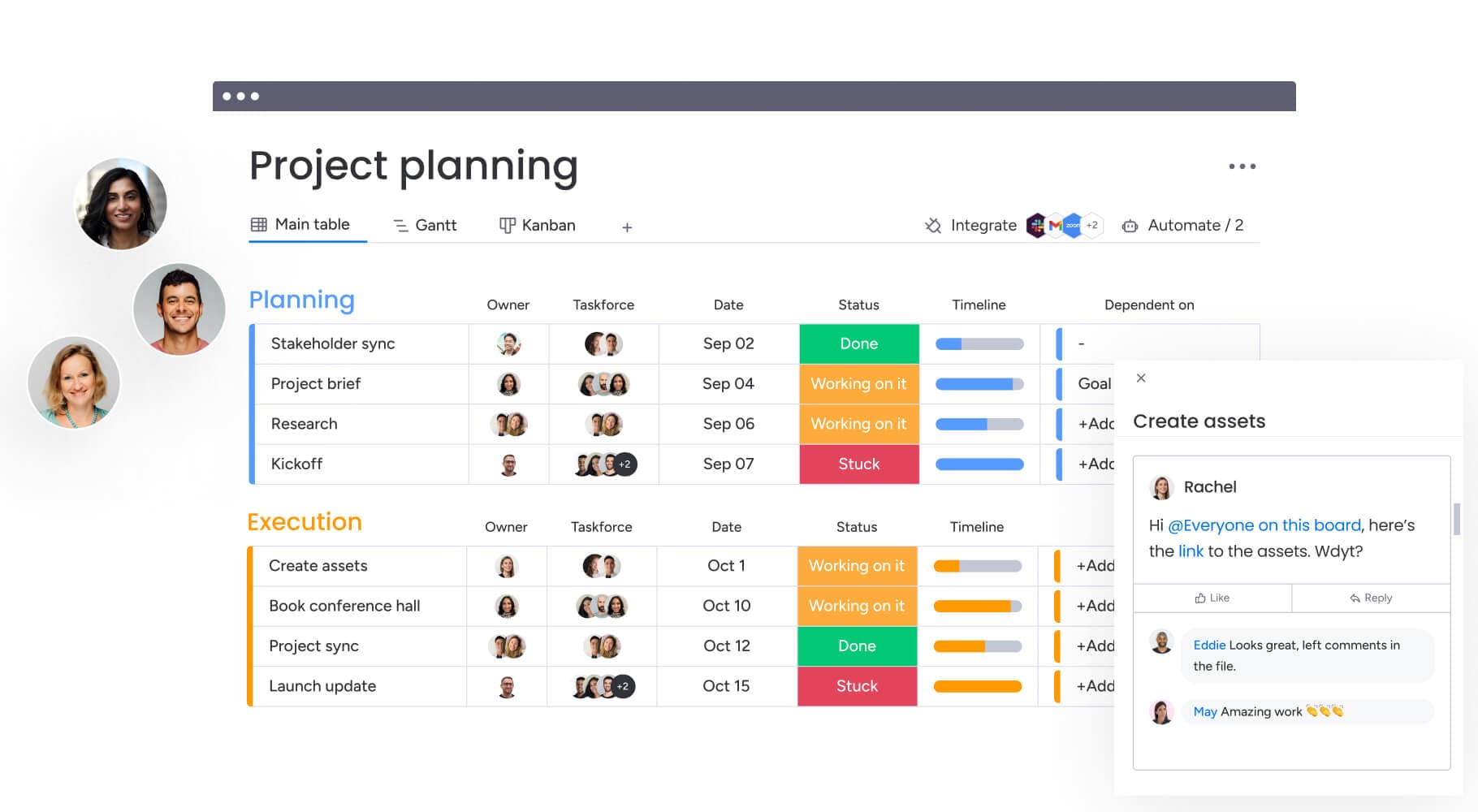
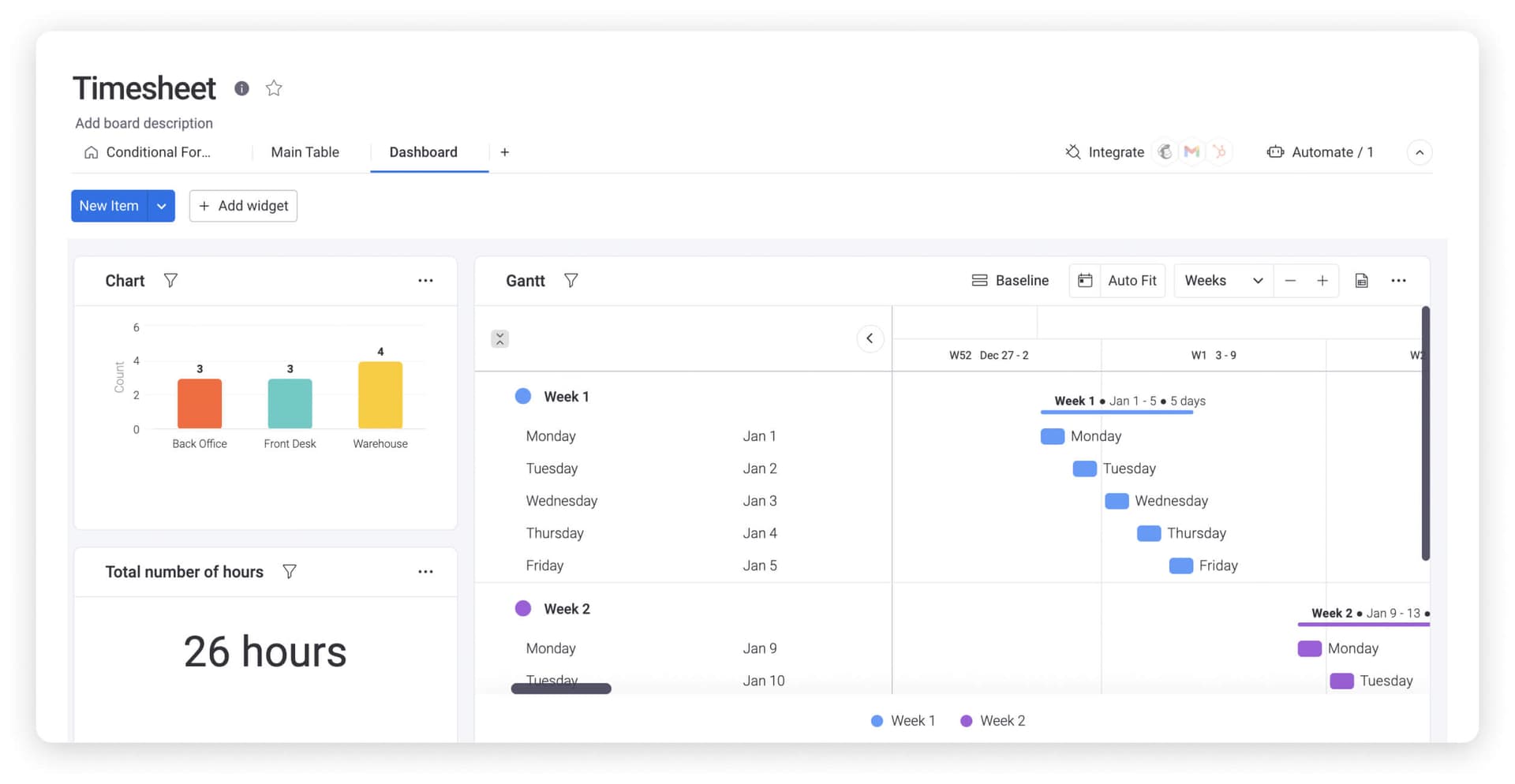
The company’s answer is its AI Work Platform, which it says is built to operate across departments rather than inside a single team. monday.com says the platform includes more than 15 native views, multi-step automations, cross-board workflows, dashboards, AI risk insights, and workload management. That mix is designed for organizations that need one system to connect strategy to execution, not a pile of disconnected point solutions.
This is the deeper product bet behind the comparison. If buyers move from Trello-style task tracking to monday.com-style operating structure, then product teams have to keep building for scale in the data model, permissions, workflow logic, and performance layer. The company is not just selling another interface. It is selling the idea that work can be orchestrated across an entire organization without losing control.
The timing reinforces that message. monday.com said in 2026 that it launched an AI Work Platform with Native Agents, and described those agents as able to do more than assist users, including operating on behalf of human teams. That is a meaningful jump in the product story. It signals a world where work software is not only recording tasks, but also taking part in the execution flow.
What the numbers say about the bet
The scale of the company’s business helps explain why this framing matters internally. In Q1 2026, monday.com reported revenue of $351.3 million, up 24% year over year, and said it had record net adds of customers with more than $500,000 in annual recurring revenue. In Q4 and full-year 2025, it reported 27% annual revenue growth, and said customers with more than $50,000 in ARR represented 41% of total ARR.
Those figures point to a customer base that is already moving upmarket. The company also said monday vibe was the fastest product to surpass $1 million in ARR in its history, another sign that it is trying to build new product lines on top of the core platform story. For employees, that matters because the success of the AI Work Platform is not abstract. It affects hiring priorities, roadmap pressure, and the level of reliability enterprise customers now expect.
The sales message is now about process maturity
For go-to-market teams, the Trello comparison is a guide to the conversation monday.com wants them to have. The old pitch for work management often revolved around cleaner boards or lower friction. The newer pitch is about complexity: when does a team need portfolio reporting, cross-department visibility, and automation that works across board boundaries?
That is a useful frame for sales reps because it turns a software comparison into a business diagnosis. If a prospect is still running a small team with a simple workflow, Trello can look sufficient. If the buyer is dealing with multiple departments, recurring leadership updates, and a growing pile of manual reporting, monday.com can position itself as the more mature operating layer. The difference is less about aesthetics and more about the cost of manual coordination.
Why engineering and product should care
The comparison also sends a clear internal message to product and engineering teams: scale is now part of the brand promise. To keep that promise believable, the underlying system has to handle more complex relationships between work, users, and reporting, while still feeling simple enough for everyday use. That is a difficult balance, especially when the company is layering in AI agents that are supposed to participate in work rather than merely summarize it.
The market context shows how competitive the arena has become. monday.com said it was recognized as a 2025 Gartner Magic Quadrant Leader for Collaborative Work Management for the third consecutive year, and that it was placed furthest for both Completeness of Vision and Ability to Execute. At the same time, Atlassian said it was also named a Leader in the same 2025 category, which makes clear that enterprise work management is not a one-company race.
Gartner defines collaborative work management as stand-alone software tools that provide task-driven workspaces to help users plan, coordinate, and automate work. That definition captures the center of the contest: the winner is not just the prettiest task board, but the platform that can support how teams actually coordinate once the work gets messy.
What this means for monday.com workers
For monday.com employees in Tel Aviv, New York, and across the company, the Trello comparison is really about identity. It says the company wants to be understood as the system that helps organizations grow up. That creates opportunity, because a platform story can support larger deals, deeper product usage, and more durable customer relationships.
It also raises the bar. Once monday.com tells the market it is an AI work platform serving more than 250,000 customers worldwide, the expectation is no longer just ease of use. Buyers will look for governance, automation, reliability, and clear reporting across departments. The company is betting that customers will eventually feel the limits of simpler task tools, and that when they do, monday.com will be the platform that looks like the next stage of maturity.
This article was produced by Prism’s automated news system from verified source data, official records, and press releases, then run through automated quality and moderation checks before publishing. The system is built and supervised by the people who set the standards it runs under. Read our full AI policy.
Know something we missed? Have a correction or additional information?
Submit a Tip