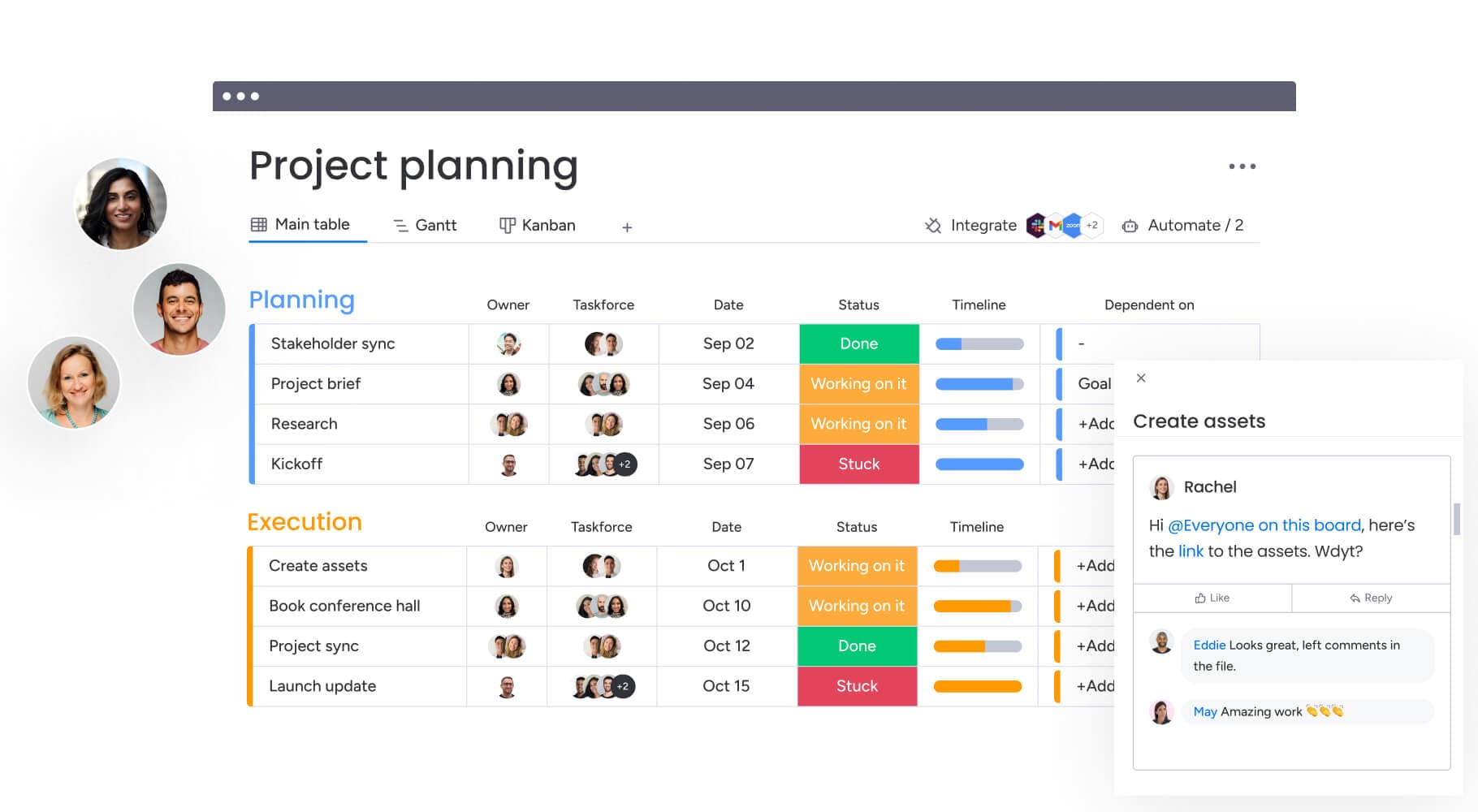
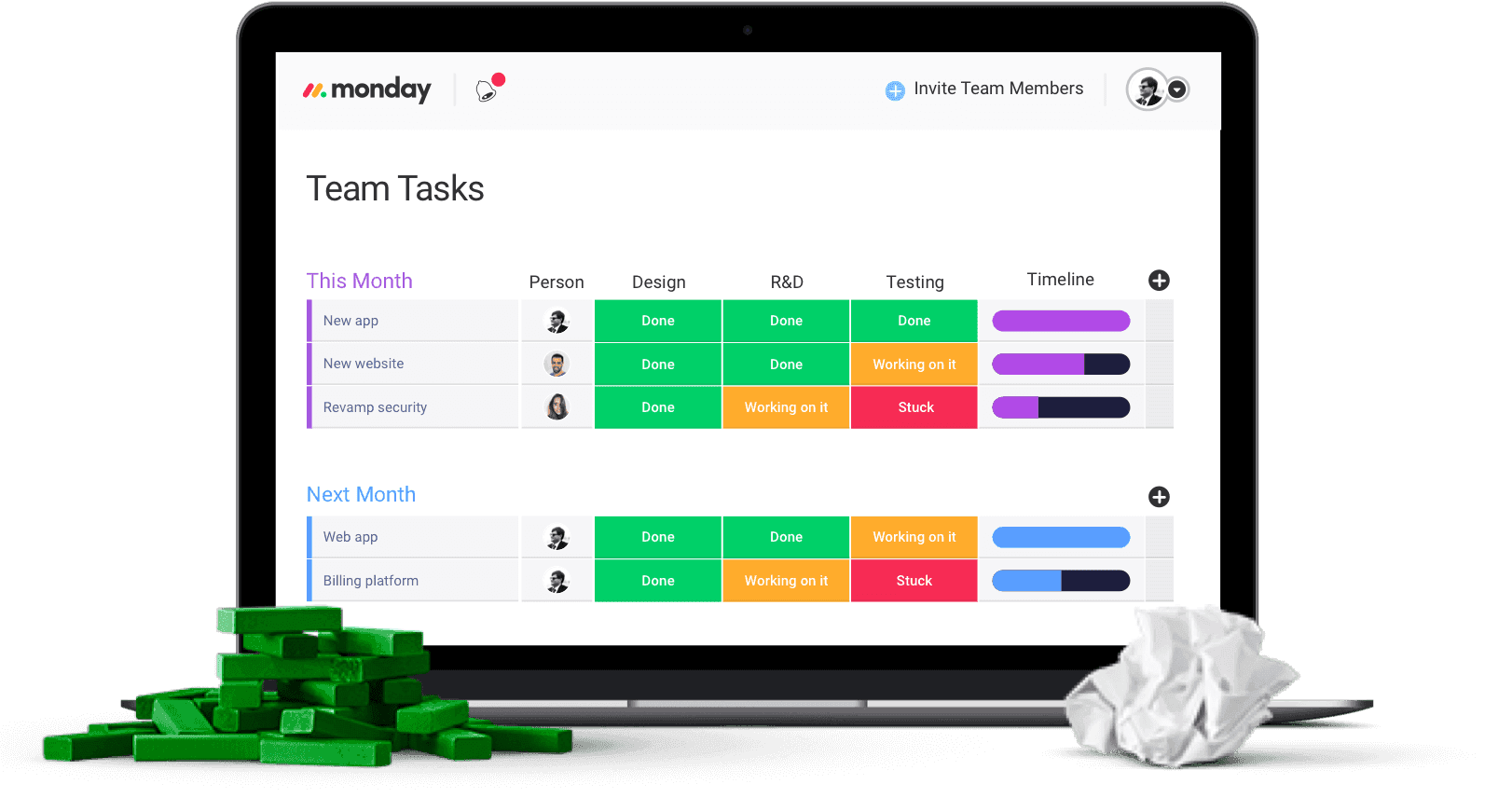
monday.com updates timesheet template to cut admin and improve visibility
Incomplete timesheets can distort staffing, billing and compliance, and monday.com is pitching a template that turns hours into visible data.
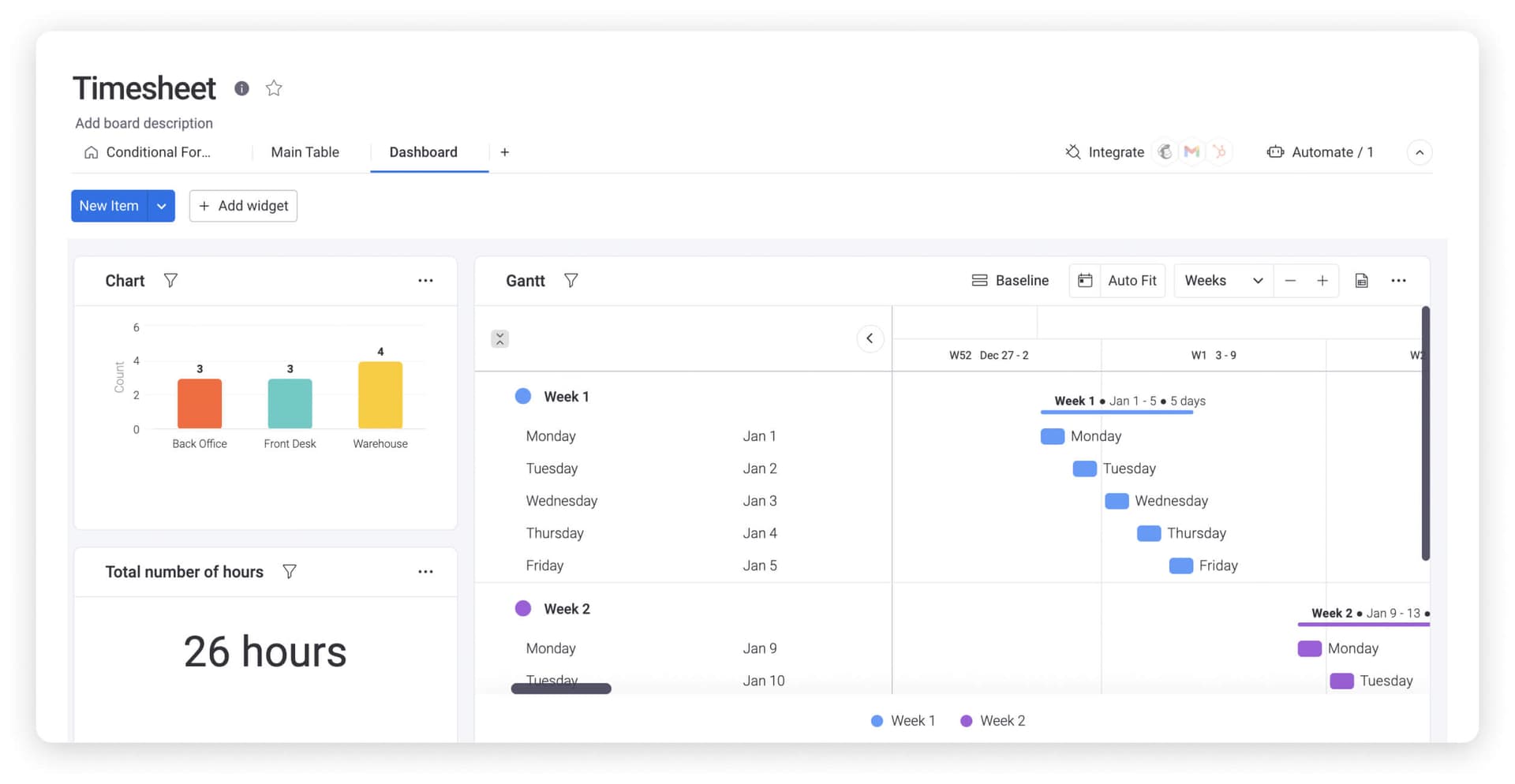
Incomplete timesheets can distort staffing decisions, inflate burnout risk and leave billing data too thin to trust. monday.com’s updated timesheet template is aimed at that problem, framing time tracking as an operational system rather than clerical busywork.
The template breaks time logging into daily, weekly, biweekly, monthly and project-based formats, each built for different schedules and pay cycles. It also lays out the fields that matter most in practice: employee name, date, start and end times, breaks, task descriptions, overtime, pay rate and approvals. That matters for teams that depend on distributed work, where hours can disappear into chat threads and side tasks unless they are captured in a structured way.

The compliance stakes are equally clear. The U.S. Department of Labor says covered employers must keep accurate records for each covered, nonexempt worker, including hours worked and wages earned. Under the Fair Labor Standards Act, those workers must also receive at least one and one-half times their regular rate for overtime hours over 40 in a workweek unless an exemption applies. That makes a timesheet more than a productivity tool. It is part of payroll, wage compliance and labor recordkeeping.
monday.com is tying that logic to its broader product stack. Its Time Tracking Column can be used to track billable hours and calculate a client’s total cost, and the data can be exported to Excel with the item name, the user who logged the time and total hours. Dashboards give managers a single view across boards so they can track progress, spot bottlenecks and report on what matters without switching between views. The company also says its AI-powered columns can analyze, summarize and generate content directly inside boards, adding another layer of automation around work that used to sit in spreadsheets.
That product direction comes as monday.com says more than 250,000 customers worldwide use its platform. In its 2025 annual report filed on March 13, 2026, the company said revenue reached $333.9 million in the fourth quarter, up 25% from a year earlier, and $1.23 billion for the full year. Customers with more than $50,000 in annual recurring revenue accounted for 41% of total ARR in the quarter, underscoring how much the company now depends on larger buyers that want clearer visibility into labor, utilization and cost. The timesheet update fits that pitch: the real value is not the log itself, but the staffing, billing and planning decisions it makes possible.
This article was produced by Prism’s automated news system from verified source data, official records, and press releases, then run through automated quality and moderation checks before publishing. The system is built and supervised by the people who set the standards it runs under. Read our full AI policy.
Know something we missed? Have a correction or additional information?
Submit a Tip