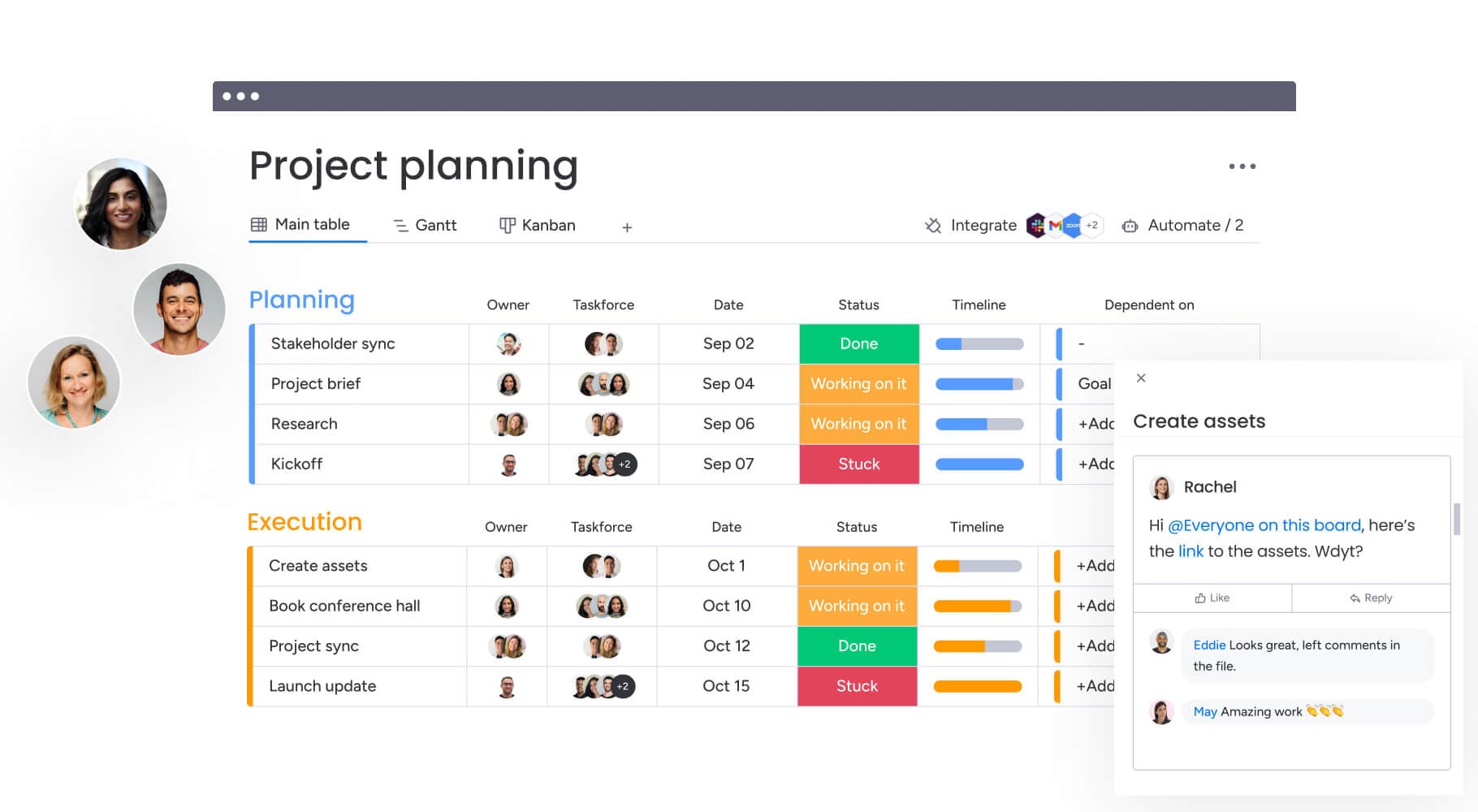
Monday.com guide reframes resource management as strategic capacity planning
Capacity planning is where strategy turns into choices, and monday.com’s own guidance says the safest teams leave a 20% buffer before overload turns into burnout.
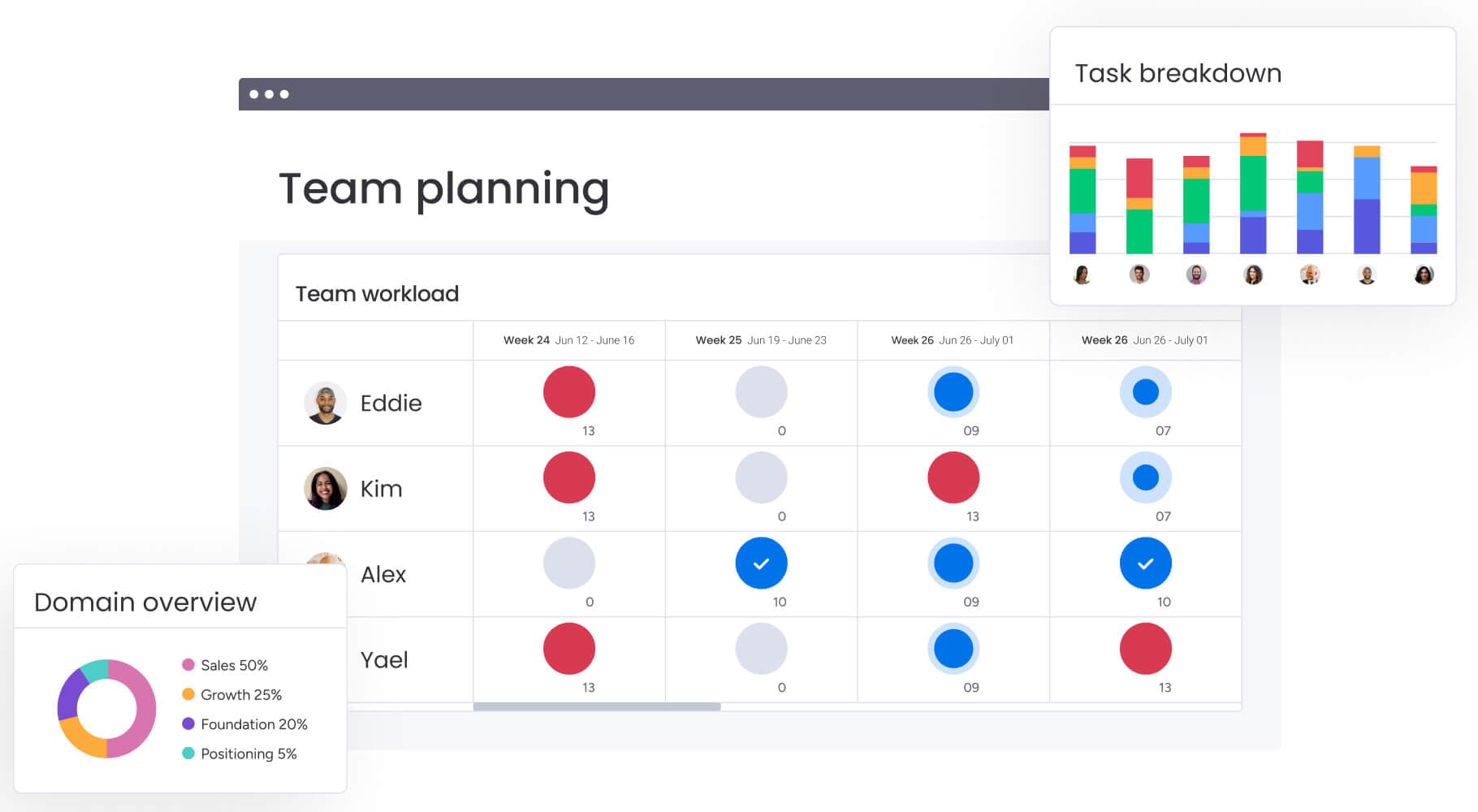
Resource management is the managerial maturity test
The clearest sign of a mature team is not how much work it can cram into a sprint. It is whether leaders can say, with confidence, who is doing what, when they will do it, and what gets delayed when capacity runs out. monday.com’s framing of resource management pushes hard in that direction: this is not admin, it is the discipline that connects strategy to execution.
That matters because the costs of getting it wrong are easy to miss until they are already baked into the schedule. Burnout, missed deadlines, and invisible overcommitment rarely show up in a planning doc. They show up later, when the same people are pulled across too many projects and the organization discovers that urgency was never the same thing as capacity.
Start with actual capacity, not wishful thinking
monday.com’s guidance is blunt about the first mistake teams make: they plan before they understand their real resources. The practical fix is to audit everything before building the framework, including people, skills, budgets, and assets. That forces a team to see where the gaps are before it makes promises it cannot keep.
The strongest version of this approach assigns work based on skills, availability, and business impact, not on who shouted the loudest in the room. That is a subtle but important shift for product leaders and engineering managers. It changes prioritization from a scramble into a deliberate tradeoff, which is exactly what capacity planning is supposed to do.
The 80 percent rule is really a resilience rule
One of the most useful recommendations in monday.com’s resource-management guidance is to target about 80 percent utilization. The missing 20 percent is not dead weight. It is the buffer that protects teams from the unexpected work that always arrives, from customer escalations to late-stage bugs to shifting sales priorities.
That buffer is also the difference between a team that looks busy and a team that can actually sustain performance. When every hour is booked, small disruptions become major slips. When the schedule has room to breathe, managers can absorb change without turning every surprise into a crisis.
Why capacity planning improves prioritization across teams
Capacity planning becomes powerful when it is shared across functions, not trapped inside one department. A product manager can use it to avoid overcommitting a design or engineering pod. An engineer can use it to understand why one shared specialist cannot support three launches at once. A sales leader can use it to pressure-test whether a customer promise is realistic before the deal is signed.
This is where the resource-management conversation gets more honest. Teams stop asking only, “Can we do this?” and start asking, “What do we need to delay to make this possible?” That is a better question because it exposes the tradeoffs that usually stay invisible until the calendar breaks.
monday.com’s own tools turn the concept into workflow
monday.com’s Enterprise resource-management stack reflects that same logic in product form. The Resource Directory is built to define resource attributes, the Resource planner allocates resources, and the Capacity manager brings multiple Resource planners into a single dashboard for a broader view of workload distribution. In other words, the platform is trying to make capacity visible enough that leaders do not have to reconstruct it from scattered spreadsheets.
The Workload widget adds another practical layer. Managers can set capacity based on either a work schedule or a custom setting, and the work-schedule option can reflect working hours, working days, and time off. That matters because a generic availability assumption is how plans drift away from reality long before anyone notices.
What this means for monday.com teams
For monday.com’s own product managers, resource planning is a direct lesson in sequencing. When multiple teams want the same people, the question is not who is most urgent in theory. It is which commitment creates the most value without forcing the rest of the roadmap into damage control.
For engineers, the takeaway is just as concrete. Shared dependencies are where capacity planning either saves the plan or exposes it early enough to change course. Knowing who is already at 80 percent and who has room to absorb surprise work makes tradeoffs less political and more operational.
For sales, the relevance is customer-facing. Larger buyers are rarely just asking for task tracking anymore. They are asking whether their organization can actually execute across projects, departments, and timelines, which is why capacity planning has become part of the sale rather than a back-office afterthought.
The bigger story fits monday.com’s growth
This focus also matches where monday.com is as a business. The company says more than 250,000 customers worldwide use its platform, and its 2025 revenue grew 27 percent for the full year. Fourth-quarter revenue reached $333.9 million, and customers with more than $50,000 in ARR represented 41 percent of total ARR.
That scale changes the meaning of a resource-management feature. At the low end, monday.com started as a work-management tool. At the higher end, with monday work management, monday dev, monday CRM, and monday service all pulling different kinds of work onto the platform, orchestration becomes the product story. The more work types the company sells, the more important it is to know how capacity gets allocated across them.
Why this is more than a productivity tip
The deeper lesson is that resource management is really about matching work to human and organizational limits. That is what separates a team that can absorb growth from one that looks successful right up until it collapses under its own commitments. If strategy is the promise, capacity planning is the proof.
That is why the best version of this practice is not about squeezing people harder. It is about making visible decisions, protecting enough slack to stay resilient, and choosing what not to do when the calendar is full. In a company like monday.com, where growth depends on helping other organizations coordinate more work, that kind of discipline is not optional. It is the operating system behind execution.
Know something we missed? Have a correction or additional information?
Submit a Tip