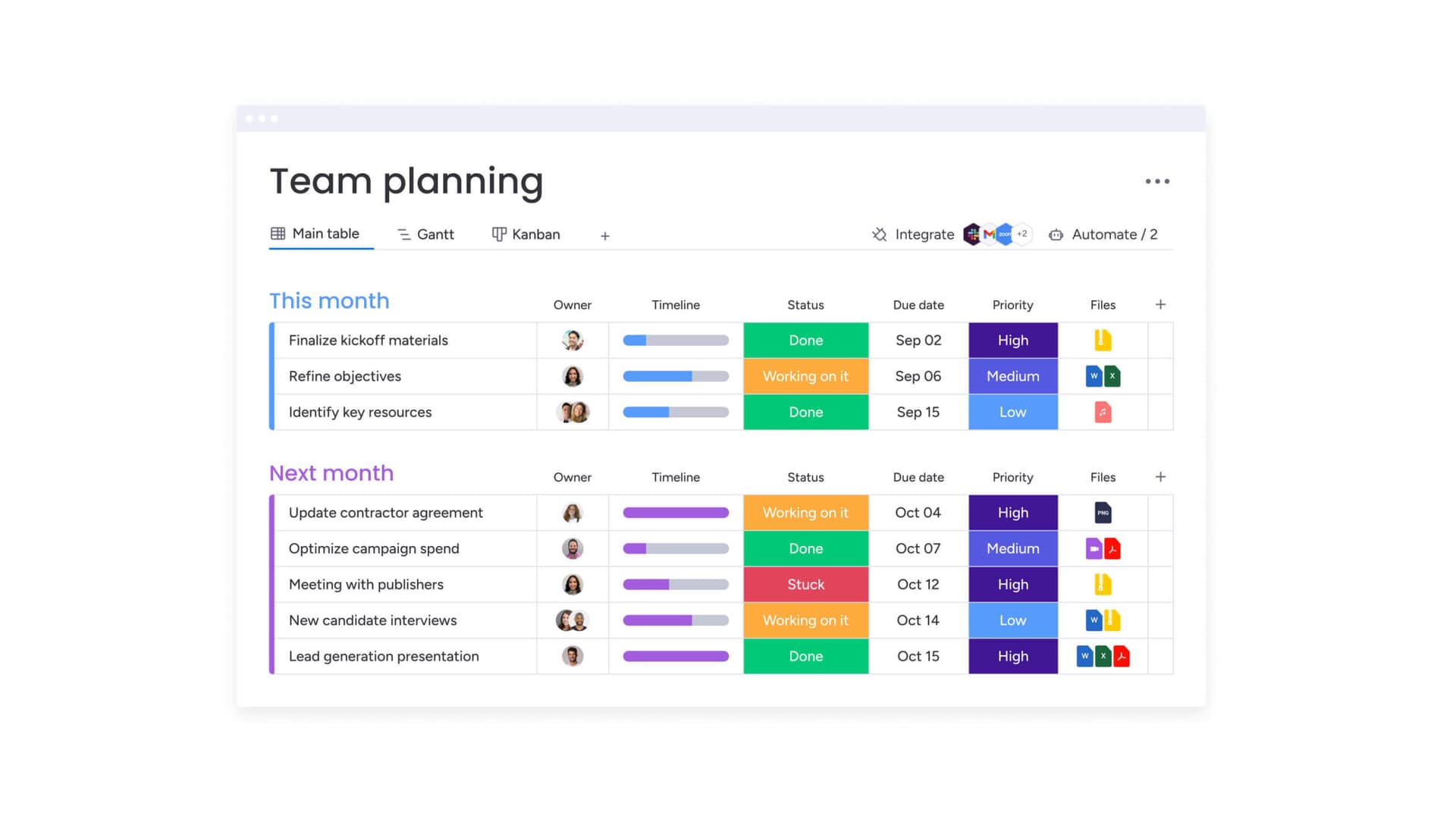
Monday.com guide shows how visual roadmaps align teams on strategy
A visual roadmap keeps monday.com teams aligned on strategy, not task noise, as AI, CRM, and enterprise bets broaden the product story.

Why a visual roadmap matters
A good roadmap at monday.com does one job first: it tells engineers, product managers, sales, and leadership where the product is headed without turning planning into a ticket dump. The company’s guide frames the roadmap as a strategic, outcome-oriented artifact, built around themes, goals, and major milestones, so teams can see direction without getting buried in execution noise.
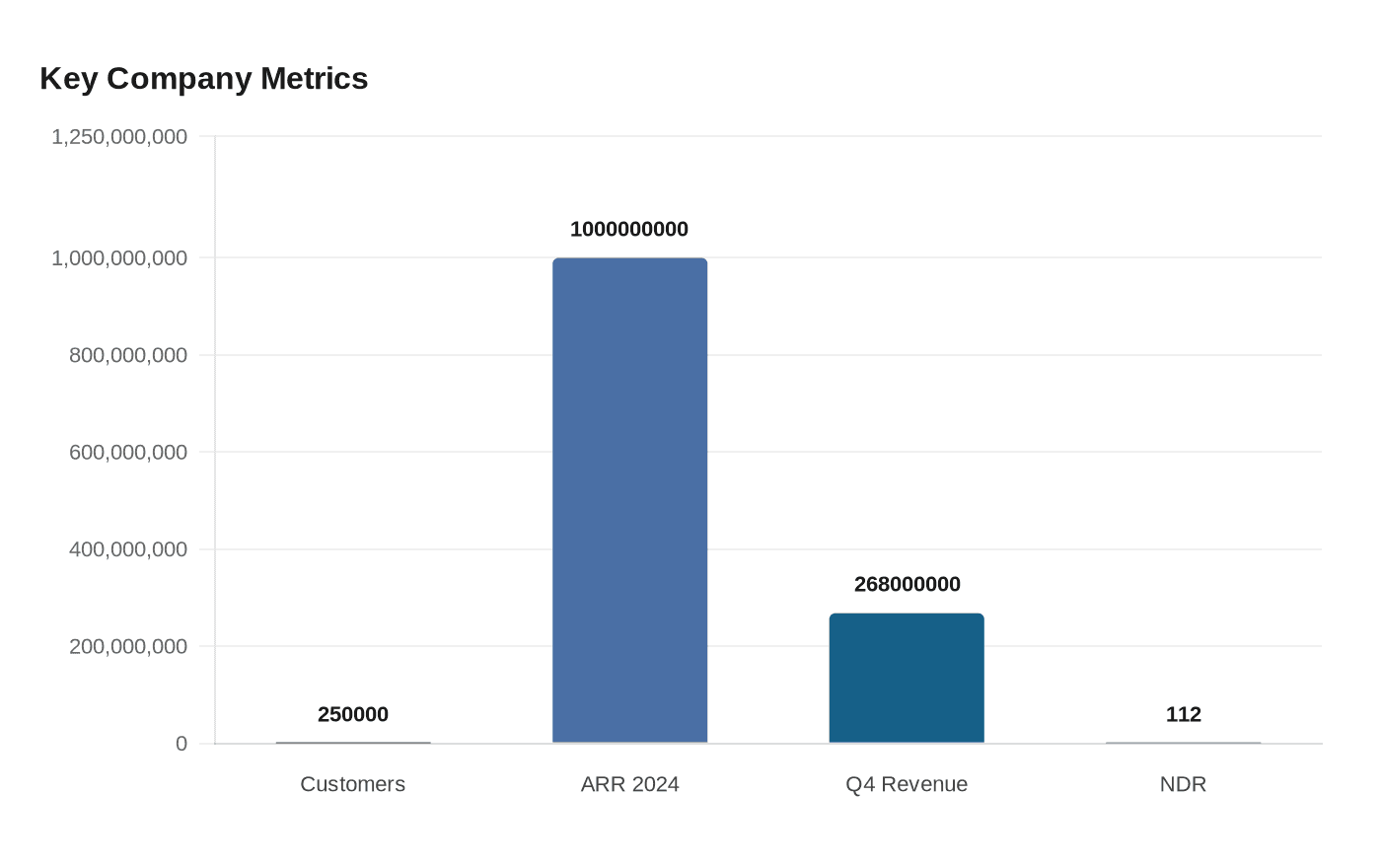
That distinction matters in a business that now serves more than 250,000 customers worldwide and has grown into a platform with real scale. monday.com said it reached $1 billion in annual recurring revenue in 2024, then followed with fourth-quarter revenue of $268.0 million, up 32% year over year, and net dollar retention of 112%. At that size, product decisions are no longer just about what gets built next. They are about how clearly the company can explain priorities across functions and to customers.
Roadmap, not backlog
The central lesson in monday.com’s guidance is simple: a roadmap is not a backlog. A backlog can hold detailed tickets, user stories, and task-level work. A roadmap should stay higher up, focused on vision, direction, goals, features, milestones, and deadlines at a high level. When it stays at that level, it becomes a shared strategic artifact instead of a second task board.
That difference is especially important in a company shipping across AI, integrations, and enterprise readiness at the same time. monday.com’s guidance says the strongest roadmaps connect product vision, prioritized themes and epics, and a visual living plan that gets updated regularly. In practice, that means the roadmap should be clear enough to guide decisions, but flexible enough to change when the market, customers, or engineering reality shifts.
A useful roadmap can take different shapes. Some teams will use a timeline-based view, while others will prefer a horizon-based model such as now-next-later. The form matters less than the function: it should show what is happening now, what is coming soon, and what sits farther out, without pretending the future is fixed.
What each team needs from it
For engineers, the value of a visual roadmap is context. It explains why the work matters and which bets are most important, which is different from simply knowing the next ticket in the queue. That context helps reduce the common frustration of building features without a clear line of sight to strategy.
For product managers, the roadmap is a sequencing tool. It helps explain tradeoffs, decide what moves first, and show how one initiative affects another. A strong roadmap makes those decisions visible instead of burying them in private conversations or one-off planning documents.
Sales teams use the roadmap differently, but just as critically. They need to answer customer questions about direction, maturity, and the next wave of value. In a customer conversation, a clear roadmap can be the difference between a confident explanation of product direction and an awkward promise that no one can back up.
Leadership gets another layer of value: a way to test whether the product story actually hangs together. If the roadmap is coherent, executives can see how themes connect to milestones and whether priorities match the company’s broader strategy. If it is not coherent, the gaps show up early, before they become delivery problems or customer confusion.
The discipline behind the visual layer
The best roadmaps in monday.com’s framing are not static documents. They are living plans that people can debate, update, and reference as priorities change. That is the real advantage of the visual layer: it gives cross-functional teams one place to align without forcing them into task-level detail every time a strategic decision comes up.
That discipline also prevents two common failures. If the roadmap becomes too detailed, it stops being a roadmap and turns into a second backlog. If it becomes too abstract, it loses its ability to guide real decisions. The middle ground is where it earns its keep, because it can carry enough structure to shape execution while remaining light enough to survive real-world change.
For monday.com, that middle ground is not academic. The company has publicly described its AI strategy as resting on three pillars, AI Blocks, Product Power-ups, and the Digital Workforce, then later expanded with monday agents, monday magic, monday vibe, monday sidekick, and monday campaigns. Those additions show a product surface that is broadening across AI, CRM, and enterprise capabilities rather than following a single-track feature story. A roadmap has to hold that complexity together.
Why roadmap clarity matters now
The company’s growth makes clarity even more important. monday.com said it is building an AI work platform where AI does not just assist but executes work, and that ambition raises the stakes for how product direction gets communicated internally. When a platform is moving from work management into agentic execution, roadmapping is not just a planning exercise. It becomes a way to align the company on what the platform is becoming.
That is also why the customer examples matter. Cloudinary said improving production boards helped reduce stakeholder questions, which is exactly what a strong visual roadmap should do at the company level too: cut down on unnecessary back-and-forth and make priorities legible. Zippo offered another useful contrast, saying its monthly product workbook took upwards of 60 hours to update before adopting monday.com. That kind of manual overhead is what happens when planning is trapped in static documents instead of a living system.
For a public company that just crossed the $1 billion ARR mark and posted 32% quarterly growth, those details are not cosmetic. They show how operational clarity can become part of product scale. When teams understand the roadmap, they spend less time decoding direction and more time shipping the right work.
What the best roadmaps actually communicate
A strong visual roadmap does more than organize tasks. It communicates intent. It shows which themes matter most, how milestones fit together, and where tradeoffs have already been made. In a company like monday.com, where product innovation, customer expectations, and enterprise needs all move at once, that shared view is what keeps the product story from fragmenting.
The point is not to predict every move months in advance. The point is to keep product, delivery, sales, and leadership pointed at the same horizon, even as the details shift. That is what makes a visual roadmap valuable: it gives monday.com teams one strategic language for a company that is scaling fast and changing its product surface just as quickly.
Know something we missed? Have a correction or additional information?
Submit a Tip