Monday.com guide treats product backlog as strategic priority tool
A backlog is only useful when it forces choices. monday.com’s guide turns it into a living filter for work, not a dumping ground for every ask.
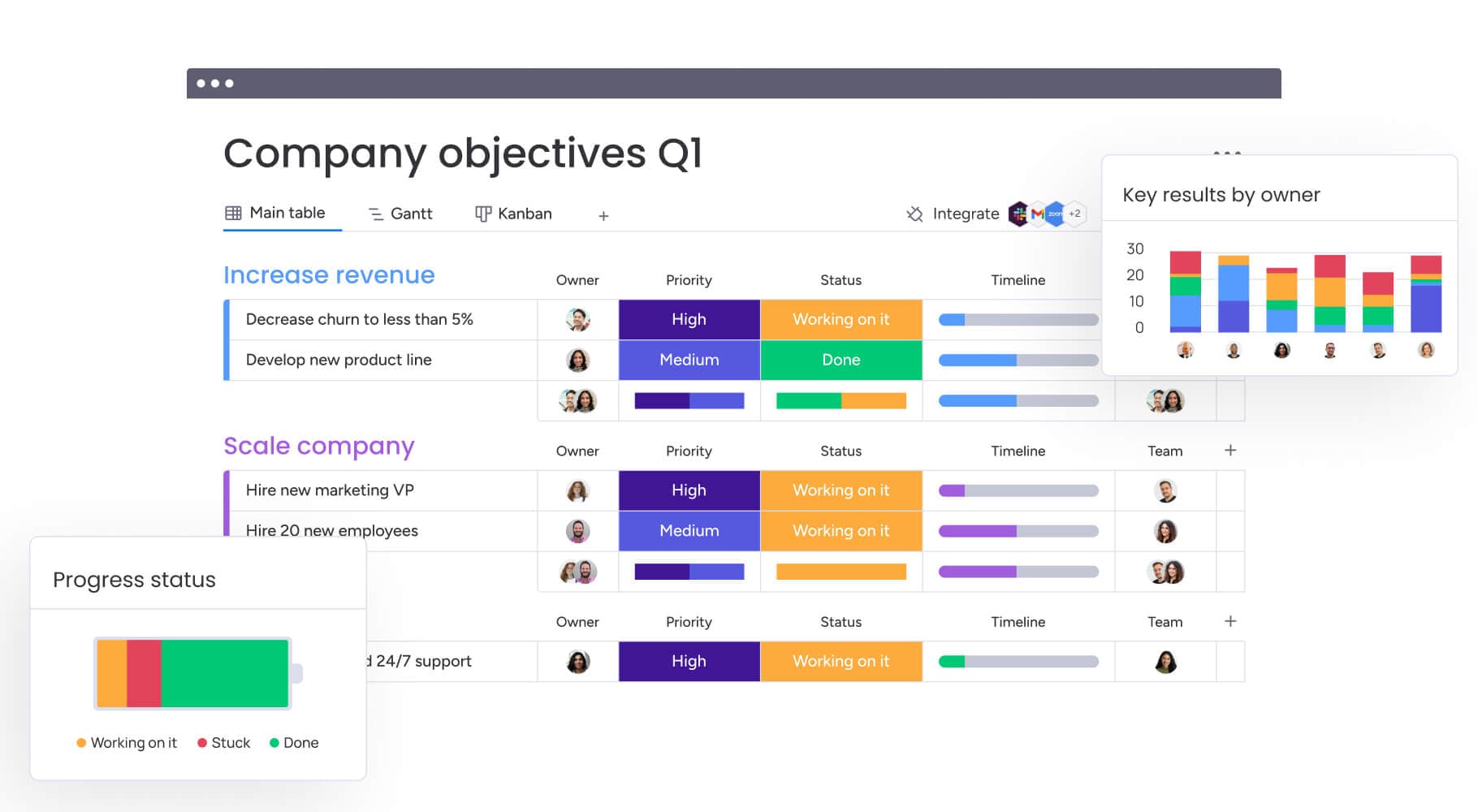
Backlog discipline is a cultural signal
A long list of requests is not a strategy, it is friction. At monday.com, the backlog works best when it acts as a decision tool, because the way a product team treats that list says a lot about how it handles pressure, tradeoffs, and hidden work.
That matters inside a company built around flexibility. Flexibility can help teams move fast, but without a disciplined backlog it can also turn into chaos, with stale ideas, unprioritized demands, and reactive work taking over the day.
What the backlog is supposed to do
From complex problem to ordered work
Scrum Guides defines a Product Backlog as an ordered list for a complex problem, and its refinement as ongoing work to add detail, order, and size to items. That framing is important because it pushes the backlog away from being a storage bin and toward being a working map of what the team is trying to solve.
Atlassian makes the same basic point in more operational terms: a product backlog is a prioritized list of work derived from the product roadmap and requirements, and the development team pulls from it based on capacity. That pull model matters because it keeps engineering from being shoved from one demand to the next, and it keeps product management responsible for sequencing work instead of simply collecting it.
Why pull beats push
In practice, a healthy backlog does more than list tasks. It gives engineers context for why a task matters, helps product managers connect discovery to delivery, and gives sales and customer-facing teams a reality check on which requests are likely to become real work.
That is where many backlogs fail. When the list is vague or bloated, the work that comes out of it tends to be vague or bloated too. The organization may still be busy, but it becomes harder to tell whether the team is solving the right problem or just maintaining motion.
How the backlog serves each team
For engineers, a good backlog reduces guesswork. Instead of seeing isolated tickets, they can understand the reason a task exists, how it fits a larger product plan, and what outcome it is supposed to support. That clarity lowers the chance of hidden work, especially the kind that appears late because the original request never got refined.
For product managers, the backlog is the bridge between discovery and delivery. It is where customer feedback, roadmap goals, technical constraints, and market shifts get translated into a sequence the team can actually build against. If that bridge is weak, strategy becomes a slide deck instead of a shipping plan.
For sales and customer-facing teams, the backlog is useful because it separates hope from commitment. It shows which asks are being seriously prepared, which ones are still ideas, and which ones do not yet fit the company’s priorities. That distinction matters when teams are trying to set expectations honestly with customers.
What refinement looks like in practice
The habits that keep a backlog alive
monday.com’s backlog guidance describes refinement as an ongoing process where product owners and development teams review, prioritize, estimate, and clarify backlog items before sprint planning. The key word is ongoing. A backlog that is not revisited regularly quickly turns into a graveyard of old assumptions.
The best teams treat refinement as a rhythm, not a cleanup project. They do a few things consistently:
- Break larger ideas into smaller, more precise items.
- Add enough description that the team understands the problem, not just the request.
- Reorder items as customer needs, market shifts, and technical constraints change.
- Estimate work so capacity decisions are grounded in reality.
- Remove or park items that no longer connect to outcomes.
That is how a backlog stays current. It remains visible enough to guide action, but flexible enough to adapt when new information arrives.
Why stale backlogs create hidden work
The danger of an overstuffed backlog is not just clutter. It creates hidden work, because teams spend time interpreting old requests, revisiting forgotten tradeoffs, and carrying items that no longer deserve attention. A bloated backlog can also make every new ask feel equally urgent, which is how product organizations drift into reactive mode.
A crisp backlog sends the opposite signal. It tells people what the team is trying to solve, what it is not solving yet, and why. That is the difference between a product org that chooses its work and one that absorbs whatever lands on its desk.
Why the stakes are rising at monday.com
The case for backlog discipline gets stronger as monday.com scales. In fiscal 2025, the company said it delivered 27% revenue growth and a 14% non-GAAP operating margin. It also said monday vibe was the fastest product to surpass $1 million in ARR in company history.
Those figures point to a company with more customers, more product motion, and more competing demands. monday.com said customers with more than $50,000 in ARR represented 41% of total ARR, and it recorded net adds of customers with more than $100,000 in ARR. As the customer base gets larger and more complex, the backlog has to absorb more signals without becoming a junk drawer.
That is especially relevant for a company that describes itself as the “AI work platform that turns strategy into execution.” If strategy is supposed to become execution, the backlog is one of the first places that promise has to hold up under pressure.
The real test of priority
The healthiest backlog is not the biggest one. It is the one that changes as the team learns, stays tied to outcomes, and resists the urge to store every idea forever. Scrum, Atlassian, and monday.com all point to the same basic truth: the backlog is not a parking lot, it is an active management tool.
At monday.com, that means the backlog should help the company avoid building for volume and instead build for judgment. When the list is crisp, current, and disciplined, it becomes a sign that the team knows what it is solving and why that work should come next.
Know something we missed? Have a correction or additional information?
Submit a Tip