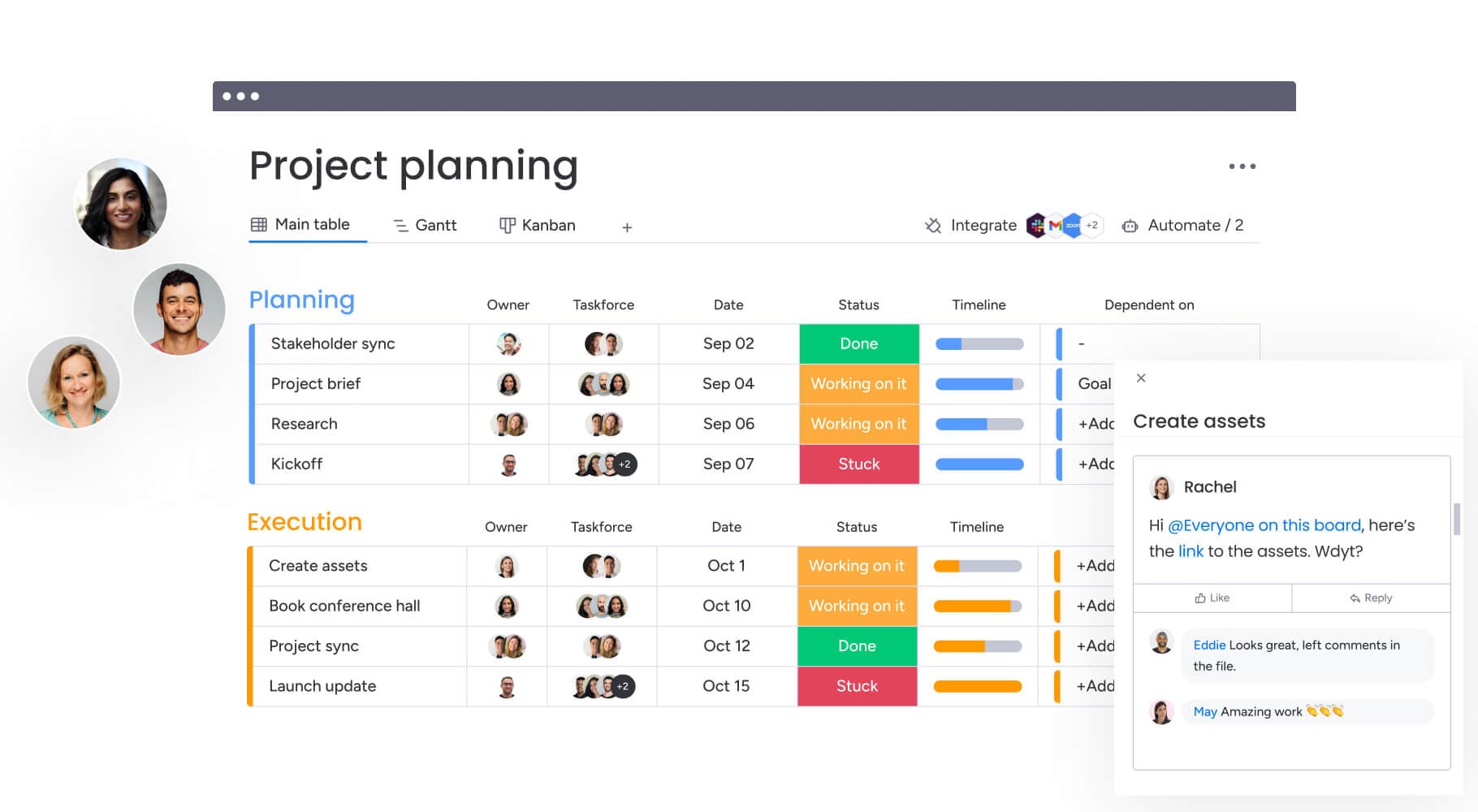
Monday.com shows project checklists can improve execution, ownership, and visibility
The best project checklist is not a memory aid. It is a quality gate that stops bad handoffs, missed approvals, and budget slips before they spread.
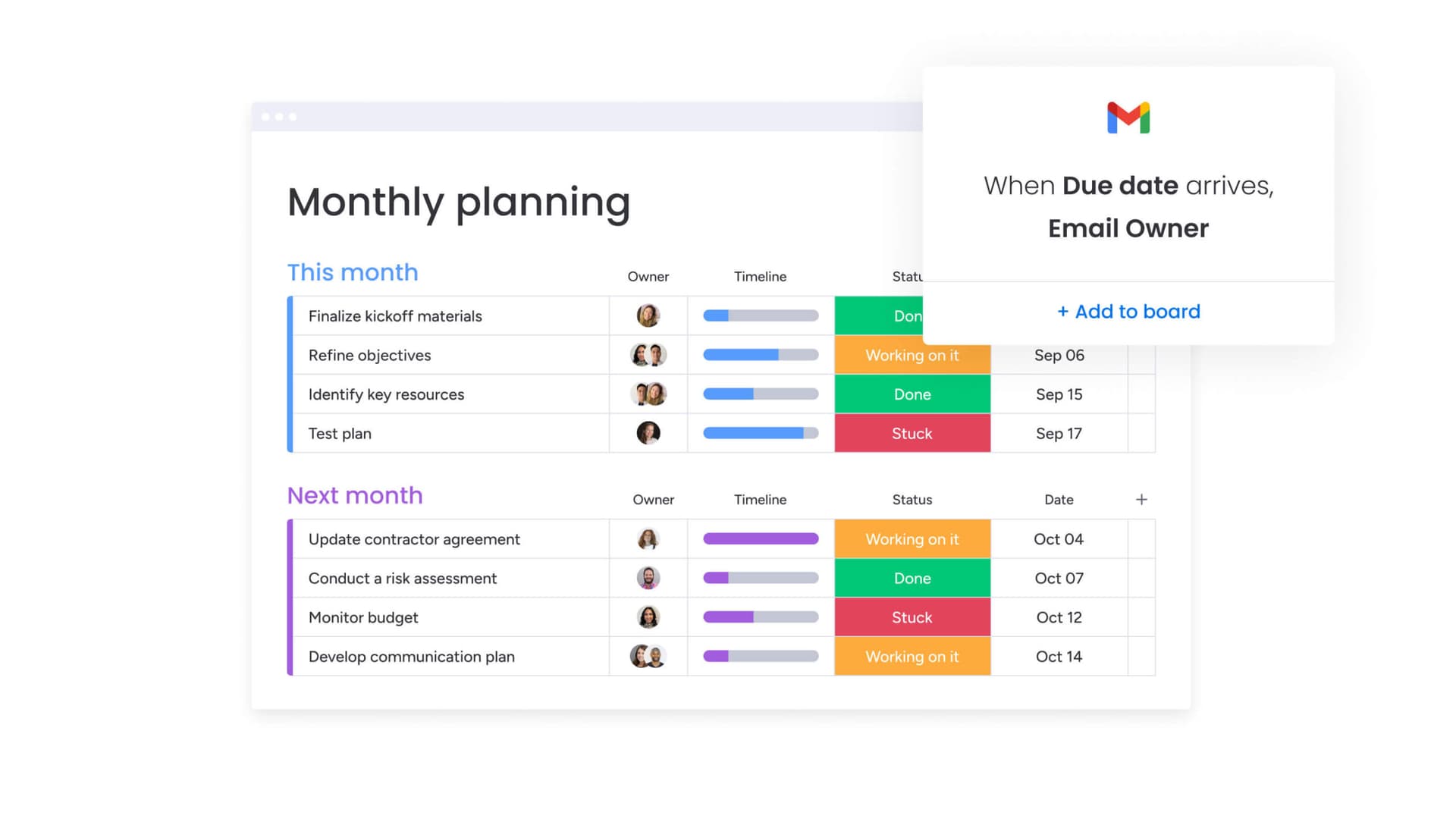
Why the checklist matters
The best project checklist is not a memory aid. It is a quality-control system that catches errors before they turn into rework, delays, or a launch that looks finished but is not actually complete.

That is the useful twist in monday.com’s checklist guidance. The problem it is solving is not forgetfulness in the abstract. It is the familiar drift that happens when projects get busy and critical steps like approvals, budget checks, and handoffs quietly disappear from view. The answer is to treat the checklist as execution infrastructure, with every phase of the project made visible and measurable from initiation through closure.
That means the work starts with the project charter and does not stop at launch. A serious checklist forces a team to map stakeholders, log initial risks, confirm resources, set timelines, track dependencies, and document lessons learned at the end. The point is not to stack up tasks. The point is to make sure the project can survive contact with reality.
From vague tasks to owned work
The strongest part of the checklist logic is its insistence on specificity. A vague instruction like “improve the website” creates the illusion of progress, but it leaves too much room for assumptions, missed approvals, and unclear ownership. A useful checklist turns that into defined steps with named responsibility and a clear way to review success.
That matters because checklists work best when each item is both concrete and owned by someone. If no one is responsible for a step, it becomes easy to assume someone else handled it. If the task is written as an aspiration instead of a checkpoint, the team can talk about it for weeks without actually reducing risk.
This is where the format becomes a management tool rather than a list. A product team can use it to make sure onboarding changes are approved, tested, and rolled out in order. An engineering team can use it to add risk checkpoints and quality gates before a release ships. A sales team can use it to show a prospect that the platform supports operational discipline, not just status visibility.
What monday.com is really selling
That logic fits monday.com unusually well because the company now describes itself in investor materials as an AI work platform that turns strategy into execution. The checklist article is not just a content idea; it reflects the same operating model the company is trying to sell.
The numbers behind the business make that clearer. monday.com reported fourth-quarter 2025 revenue of $333.9 million, up 25% year over year, and full-year 2025 revenue growth of 27%, with a 14% non-GAAP operating margin. It also said it ended the period with more than 250,000 customers, 4,281 customers above $50,000 in annual recurring revenue, and 3,155 employees as of December 31, 2025. Customers above $50,000 in ARR represented 41% of total ARR.
Those figures matter because they show a company that is no longer selling a nice dashboard for small teams. It is selling a system that enterprises are willing to pay for when execution discipline becomes expensive enough to matter. The company also said monday vibe was the fastest product in its history to surpass $1 million in ARR, which is a useful signal that the market is rewarding tools that help teams move from idea to delivery faster.
For monday.com employees, that is the real takeaway. A checklist is not a small productivity feature sitting on the edge of the product. It is part of the broader promise that work can be made more reliable if the platform keeps the right steps from falling through the cracks.
The quality-control tradition behind the idea
monday.com’s checklist framing also sits inside a much older management tradition. The Project Management Institute describes project quality management as a discipline built around planning, assurance, and control. It also emphasizes that quality is best assured when processes are aligned with organizational goals. That is exactly the logic behind a strong checklist: it makes the process visible enough to control, and disciplined enough to serve the larger objective.
The same pattern shows up in high-stakes work outside software. The World Health Organization’s Surgical Safety Checklist was developed through broad international consultation and built as a 19-item checklist. WHO says it was designed to reduce errors and adverse events while improving teamwork and communication, and that it is now used by a majority of surgical providers around the world.
That history matters because it strips away the usual complaint that checklists are bureaucratic or childish. In the right setting, a checklist is how a team forces the right conversation before the cost of being wrong gets too high. Harvard Medical School has highlighted research showing that a simple surgical checklist can reduce deaths and complications. In other words, the tool is simple because the work is hard.
What strong operators do differently
The monday.com checklist model is most useful when it changes how teams think about handoffs. Good operators do not use it to count tasks. They use it to prevent quality failures from spreading across teams.
A few practical examples show why:
- In a product launch, the checklist makes sure legal, design, support, and go-to-market approvals are complete before the feature goes live.
- In an implementation, it prevents the team from assuming the customer was trained, the data was migrated, and the success criteria were agreed to when none of that is yet true.
- In a client deliverable, it catches the small omissions that can damage trust, like missing sign-off, an unreviewed dependency, or a timeline that was never confirmed with stakeholders.
That is why the best checklist is not about remembering tasks. It is about making failure visible early, when the fix is still cheap. For a company built on work management, that is not a side lesson. It is the operating principle that decides whether strategy turns into execution or just more motion.
Know something we missed? Have a correction or additional information?
Submit a Tip