Chicago minimum wage rises July 1, Target workers see schedule rules shift
Chicago and Cook County wage floors rise July 1, and many Target workers should see the change on the first paycheck that includes those hours. Chicago also tightens schedule rules.
%2Fcdn.vox-cdn.com%2Fuploads%2Fchorus_asset%2Ffile%2F23664453%2FIMG_0459__1_.jpg&w=1920&q=75)
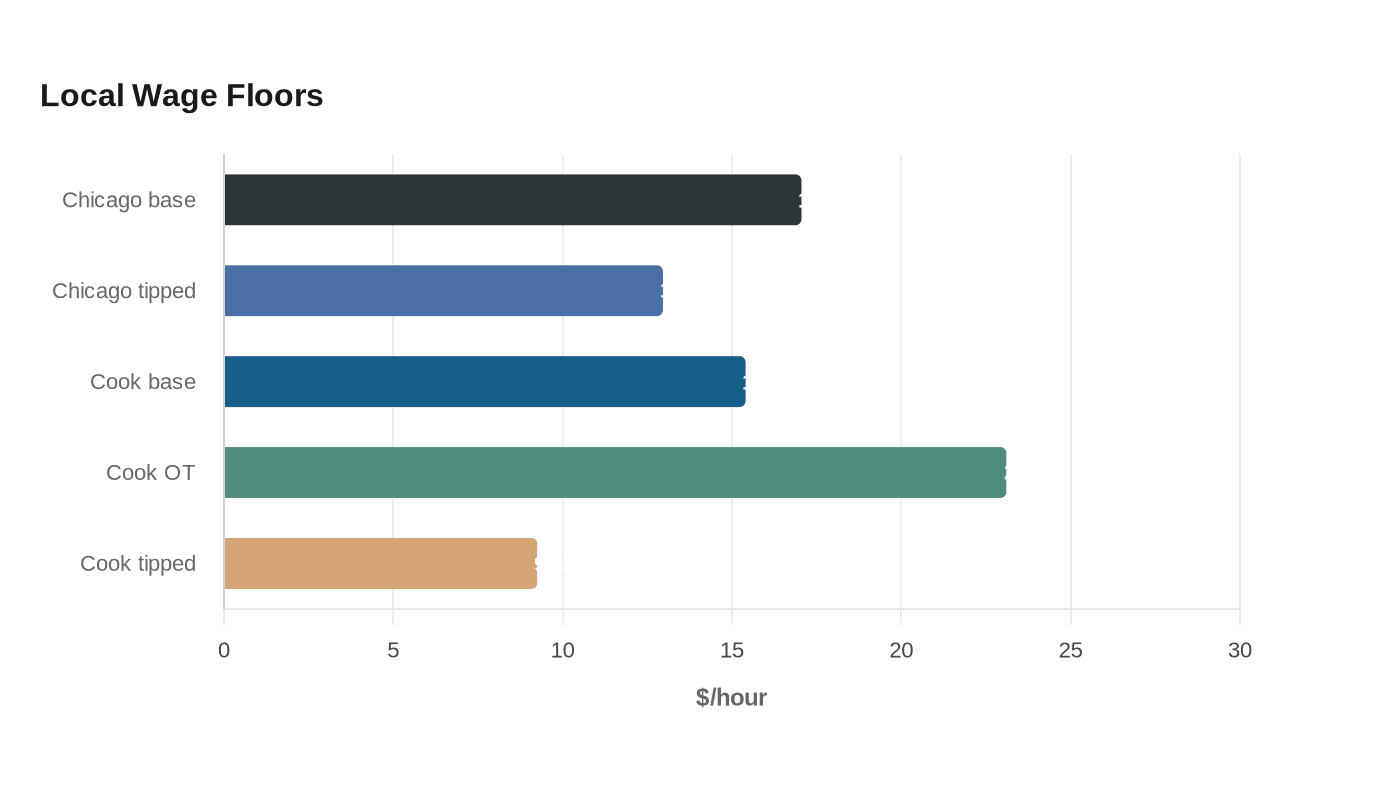
Target workers in Chicago and Cook County should see the cleanest effect of the July 1 wage change on the first paycheck that includes hours worked after the new rates take effect. In Chicago, employers with four or more employees must pay at least $17.05 an hour, with tipped workers at $12.96. In Cook County, the floor becomes $15.40 for non-tipped workers, $23.10 for overtime and $9.25 for tipped staff. The practical check is straightforward: compare the hourly rate in the posting or offer, the hours shown on the schedule and the wage line on the paystub.
The Chicago change reaches more than base pay. The city says its Fair Workweek rules cover workers in Building Services, Healthcare, Hotels, Manufacturing, Restaurants, Retail and Warehouse Services when they earn $33.85 an hour or less, or $64,945.55 a year or less, and the employer has at least 100 employees globally. Restaurants face a separate threshold of 250 employees and 30 locations. For a large retailer like Target, that puts many hourly team members in the zone where predictable scheduling, notice requirements and compensation for schedule changes can matter as much as the wage floor itself.
Chicago says the July 1 update also comes with enhanced Fair Workweek requirements and the full establishment of paid leave and paid sick and safe leave rights. The city’s annual minimum wage increase is tied to the Consumer Price Index or 2.5%, whichever is lower, which means the rate keeps moving even when hourly jobs and staffing plans stay in flux. Cook County’s ordinance, first passed by the county board on Oct. 26, 2016, carries its own July 1 increase and a rule that would set the county wage at the highest of federal, Illinois or county minimum wage if unemployment rises above 8.5%.
That is where the store-level consequences start to show up. Higher wage floors can affect which location gets the next opening, how a district divides hours between city and suburban stores and whether managers steer workers toward one site instead of another when labor budgets tighten. At Target, which promotes market-leading wages and benefits in recruiting, local wage law is not a side issue. It is part of the staffing math, and in the Chicago area the line between city and county can decide both pay and predictability.
This article was produced by Prism’s automated news system from verified source data, official records, and press releases, then run through automated quality and moderation checks before publishing. The system is built and supervised by the people who set the standards it runs under. Read our full AI policy.
Know something we missed? Have a correction or additional information?
Submit a Tip