Philadelphia fair chance hiring update raises compliance stakes for Target stores
Philadelphia’s fair-chance update can change how Target hires before a candidate ever reaches a background check. For store leaders, the risk is simple: one bad notice or one early question can become a complaint.
If you apply for a Target job in Philadelphia, the biggest compliance risk is not what the background check finds. It is whether the store follows the city’s fair-chance rules before and after that check, because those steps can determine who gets interviewed, who gets a conditional offer, and who gets ruled out too soon.
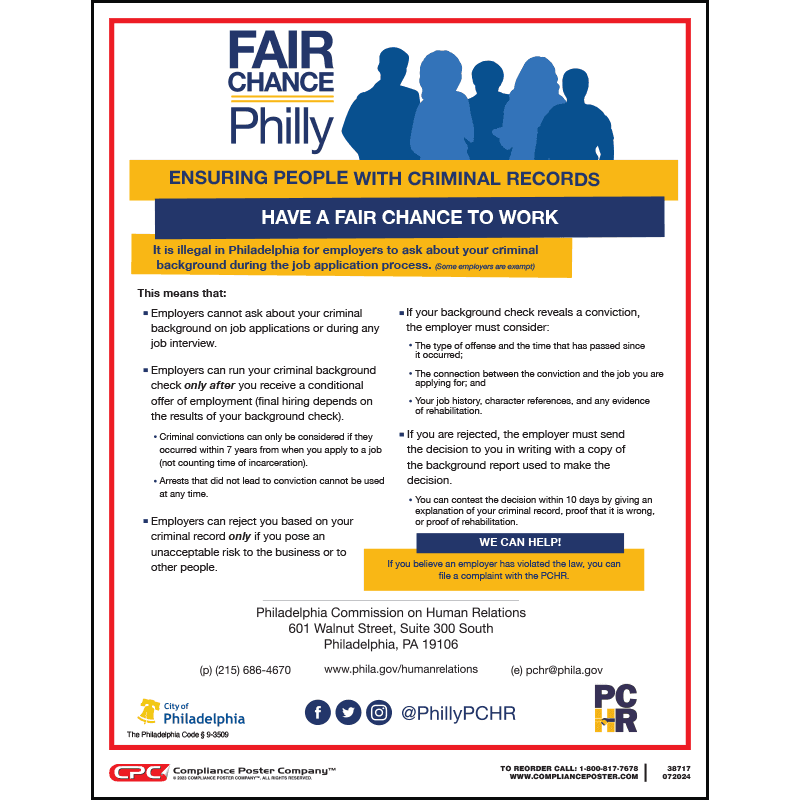
Philadelphia’s amended Fair Criminal Record Screening Standards Ordinance was enacted on October 8, 2025 and became effective on January 6, 2026. The city’s Commission on Human Relations says there are new requirements for employers under the Fair Chance Hiring law, and its public poster says it is illegal for employers to ask about criminal background during the job application process. That matters for retail hiring because stores often move fast, but the ordinance is built to slow down any reflexive screening based on a record before the applicant has been properly considered.

What changed for hiring teams
The most important shift for recruiters and store managers is timing. Under Philadelphia’s rules, employers cannot start with criminal history questions in the application process, and they must give prescribed notices before taking adverse action based on criminal history. The 2026 amendments also require that when an employer gives notice of intent to conduct a criminal background check, the notice must say the check will include an individualized assessment based on the specific record, job duties, and job requirements.
That is not just paperwork. It changes how a hiring conversation is framed at the store level. A leader who uses a generic national screening script, or who treats the background check as a simple yes-or-no filter, can create a problem in Philadelphia even if the same workflow works elsewhere in the country.
Where Target’s process intersects with the city rules
Target already uses a formal screening system, which is why local rule changes matter so much. Target says all job offers are contingent on successful completion of a pre-employment screening process that includes a background check, and that the check is initiated after a conditional job offer and managed by Accurate Background. Target also said in 2018 that it had been conducting regular criminal background checks as part of hiring for more than 10 years.
For Philadelphia stores, that means the company’s standard process has to fit inside a stricter local framework. The sequence matters: no criminal-history questions in the application stage, no premature move to background screening language, and no adverse decision until the applicant has had a chance to respond. If a candidate is screened out after the check, the city rules require that the person be allowed to explain or dispute the information before a final adverse decision is made.
The operational traps for multistate retailers
This is where retailers with large, standardized hiring systems usually stumble. The most common mistake is assuming the corporate template is enough everywhere. In Philadelphia, it may not be.
Watch for these pressure points:
- Job ads that mention a background check too early, which can trigger disclosure duties.
- Managers asking about arrests, records, or pending matters during the application conversation.
- Using the same rejection or pre-adverse-action notice across states without checking Philadelphia’s required language.
- Treating the background check as a shortcut instead of a process that requires individualized review.
- Failing to train store leaders on what they can say when a candidate asks why a background check is being requested.
Littler has said the 2026 amendments require businesses operating in Philadelphia to revise required notices to applicants. Ogletree Deakins likewise flagged that the Philadelphia Commission on Human Relations has now published a notice tied to the amendments, but has not fully clarified how that notice fits into the new requirements. That uncertainty is exactly the kind of thing that creates compliance mistakes at the store level, where hiring happens quickly and often under pressure.
Why the stakes are higher than a normal policy update
Philadelphia gives individuals a private right of action, which raises the cost of a technical error. The city also provides a complaint process for criminal record discrimination in employment, and the Commission on Human Relations says it administers the Fair Chance Hiring law and investigates complaints of discrimination and civil-rights violations.
For Target, the scale makes the risk more operational than theoretical. A small mistake in one store can become a pattern if the same flawed checklist is used across multiple locations. In a retailer with hundreds of thousands of employees, even a modest compliance gap can touch a lot of hiring decisions, especially in frontline roles where turnover is high and managers are moving fast to fill shifts.
What Target leaders should do now
The practical response is not to slow hiring to a crawl. It is to make sure the Philadelphia process is built into the front end of hiring, not patched on after a decision has already been made. Recruiters, HR partners, and ETLs should be using location-specific scripts and notices, with a clear handoff point for when a conditional offer has been issued and the background check can begin.
A strong compliance floor in Philadelphia should include:
- A job application process that avoids criminal-background questions.
- Clear notice language that matches the city’s current requirements.
- An individualized assessment step before any adverse action tied to a record.
- A documented chance for the applicant to explain or dispute information.
- Training for store leaders so they know when a local rule overrides a national habit.
The broader lesson goes beyond Philadelphia stores. Fair-chance hiring is becoming more structured, more visible, and more enforceable, and retailers that hire at scale need processes that can flex by city without losing speed. For Target, the takeaway is straightforward: a background check is no longer just a vendor step after a conditional offer. In Philadelphia, it is part of a legal sequence that can shape who gets in the door at all.
This article was produced by Prism’s automated news system from verified source data, official records, and press releases, then run through automated quality and moderation checks before publishing. The system is built and supervised by the people who set the standards it runs under. Read our full AI policy.
Know something we missed? Have a correction or additional information?
Submit a Tip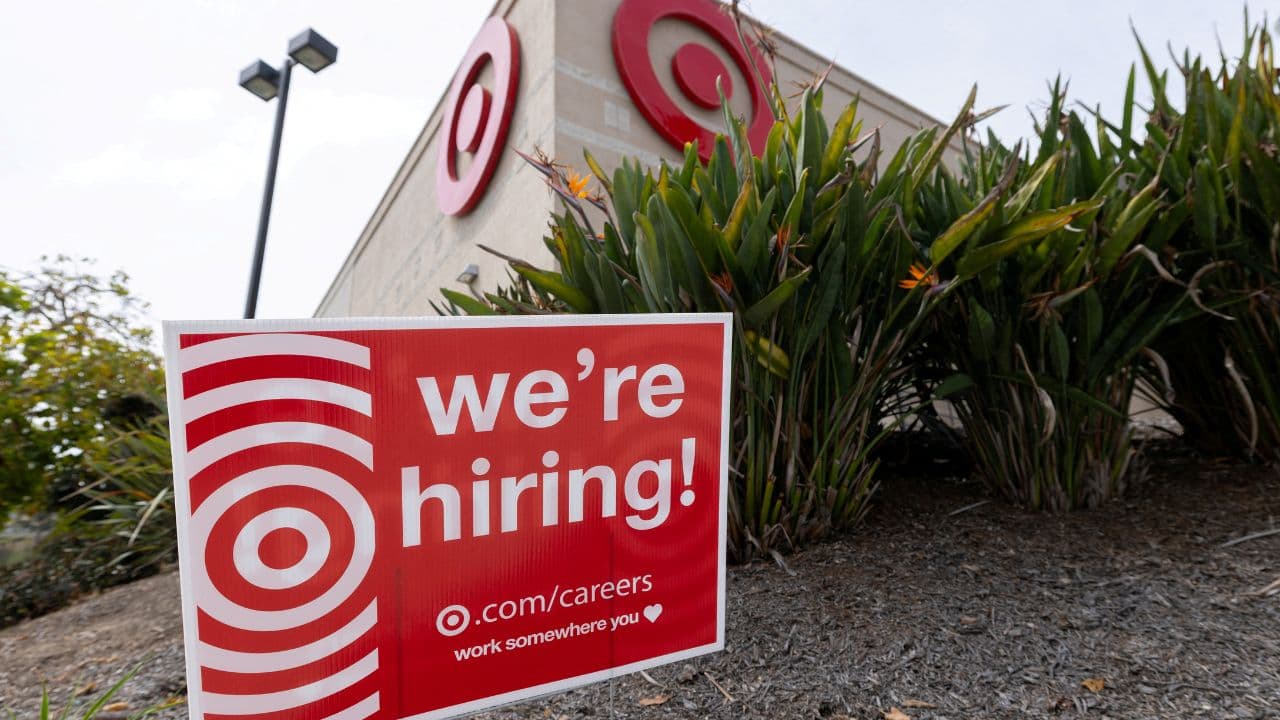

%2Fcdn.vox-cdn.com%2Fuploads%2Fchorus_asset%2Ffile%2F23664453%2FIMG_0459__1_.jpg&w=1920&q=75)