Target hiring outlook steadies as weekly jobless claims ease slightly
Fewer layoffs mean Target may fill shifts more easily, but a cooler labor market could also give managers a little more leverage on staffing.
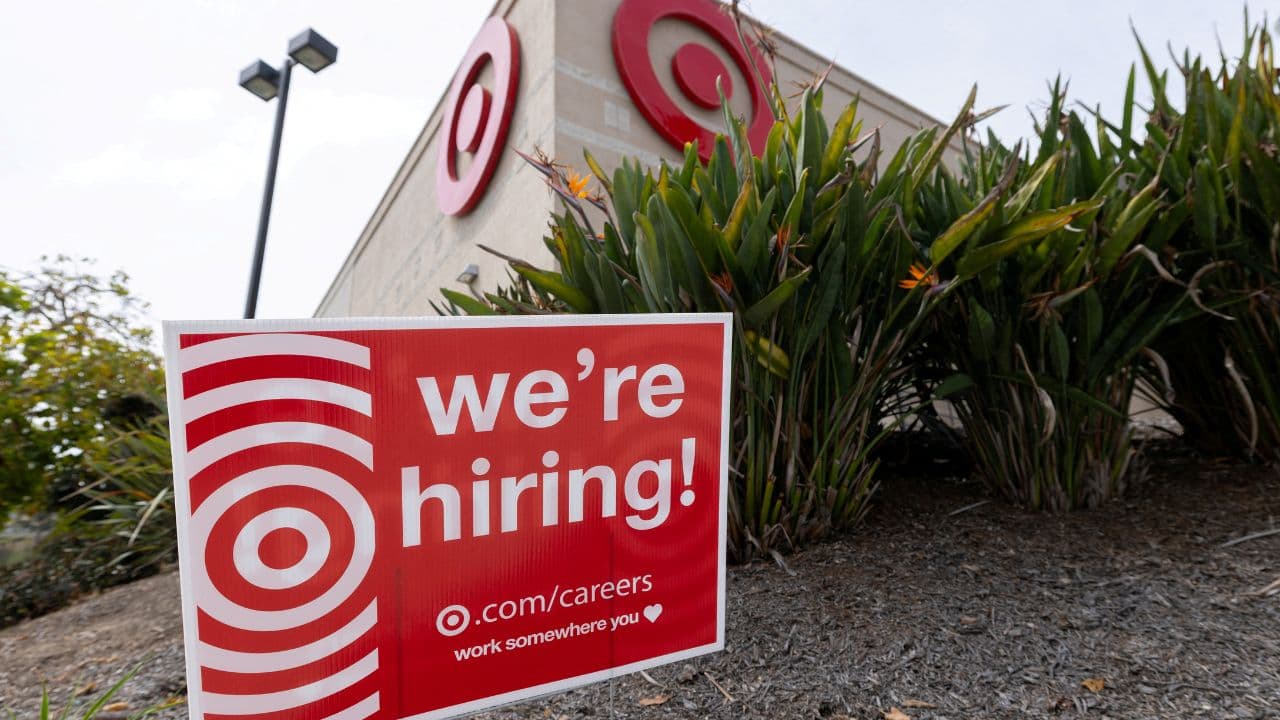
Target’s store leaders may have a little less urgency at the hiring table, but not enough to relax. Weekly jobless claims fell to 226,000 for the week ended June 13, a sign the labor market is still healthy even as it cools from earlier lows. For Target, that usually translates into a more manageable applicant pool for seasonal and part-time roles, while keeping pressure on managers to hold onto good workers with schedules that actually work.
The Labor Department said initial claims dropped by 4,000 from the previous week’s revised level of 230,000, while the four-week moving average edged up to 223,250. The insured unemployment rate held at 1.2% for the week ended June 6. Taken together, the numbers suggest fewer outright layoffs but a labor market that is no longer running hot, which matters in retail because store staffing depends on both the number of people looking for work and how many hours the business needs to cover.

For Target team leads and executive team leaders, that mix could show up first in the usual places: applicant flow, shift coverage, and the speed of onboarding. A steadier labor market can make it easier to fill openings for cashiers, fulfillment, and salesfloor roles heading into busier seasonal periods. It can also give managers a bit more room to be selective, especially when they are trying to match people to the right hours rather than simply getting any warm body on the schedule.
But a softer labor market does not erase the need to compete. Target says its U.S. hourly team members in stores and supply chain facilities have a starting wage range of $15 to $24 an hour, depending on role and location. The company also says seasonal team members get flexible schedules, competitive pay, team member discounts and benefits starting on day one. In a market where layoffs remain limited and many workers still have options, those kinds of retention tools can matter as much as recruitment ads.
That is especially true for a chain with more than 2,000 stores, more than 60 supply chain facilities and an On-Demand store workforce of about 43,000 team members. Target says stores fulfill more than 97% of total merchandise sales, which makes front-end coverage, fulfillment speed and weekend availability more than staffing headaches. If labor conditions keep cooling without cracking, the first thing employees are likely to notice is not a dramatic shift in job security. It is a tighter but steadier hiring environment, where managers may have more leverage on hours and scheduling, but still need to keep teams engaged to avoid churn before the next seasonal push.
This article was produced by Prism’s automated news system from verified source data, official records, and press releases, then run through automated quality and moderation checks before publishing. The system is built and supervised by the people who set the standards it runs under. Read our full AI policy.
Know something we missed? Have a correction or additional information?
Submit a Tip

%2Fcdn.vox-cdn.com%2Fuploads%2Fchorus_asset%2Ffile%2F23664453%2FIMG_0459__1_.jpg&w=1920&q=75)