Target faces earlier inventory pressure as Port of Los Angeles imports surge
A May cargo surge at Los Angeles pushed school-supply freight earlier, adding backroom congestion and timing pressure for Target teams before summer shopping peaks.

Containers kept piling into the Port of Los Angeles in May, and that pressure does not stop at the dock. For Target store teams, the real impact shows up later as earlier receiving, tighter backroom space, and a shorter runway to get seasonal goods onto the floor before demand hits. The port handled 840,165 TEUs in May 2026, up 17% from a year earlier, while loaded imports rose 26% to 449,370 TEUs.
The mix matters as much as the volume. Retailers were moving plastic school supplies and other seasonal goods early, trying to get ahead of higher fuel costs tied to shipping disruptions before July 1. That kind of front-loading can help keep value items in stock, but it also compresses the work for store teams, who have to absorb freight without losing scan accuracy, keep the stockroom under control, and reset shelves on deadline.
When merchandise lands sooner than planned, the pressure shifts to the people managing flow inside the building. ETLs and team leads have to balance freight handling, replenishment, and fulfillment priorities while the sales floor is still carrying summer sets. If the inbound pace changes again later in the season, displays and transitions can move fast, and communication between the store and supply chain becomes the difference between a clean set and a messy one.

Target has been leaning harder into that operational discipline. In its Q1 2026 results, the company reported net sales of $25.4 billion, comparable sales growth of 5.6%, and inventory turns that improved more than 10% year over year. Target also said it expected about $5 billion in capital expenditures in 2026, with money going into supply chain and technology projects, a sign that the company sees timing and flow as central to execution, not just cost control.
That timing is especially important in back-to-school, where the season has been starting earlier on the calendar. Gartner analyst Kassi Socha said last year that shopping began as early as Memorial Day weekend, and Target has already built its seasonal playbook around that shift. In its 2025 back-to-school plans, the company said it would hold 2024 prices on key school supplies, keep 20 must-have items under $20, and hold the backpack price at $5, with Target Circle Week set for July 6-12 and early access for Target Circle 360 members beginning July 5.
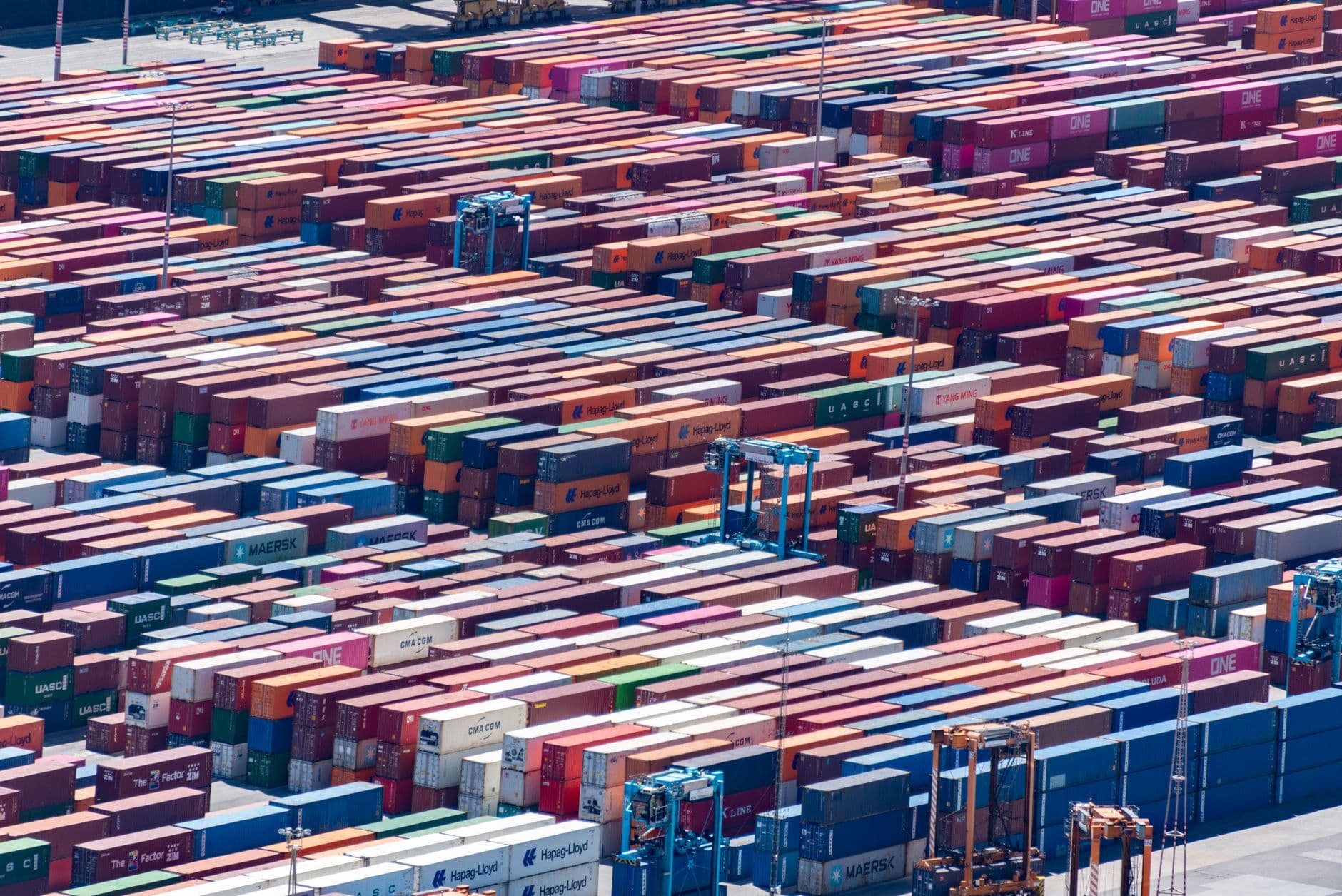
Through the first five months of 2026, the Port of Los Angeles had handled 4,119,869 TEUs, 1.4% ahead of the same period in 2025. For Target, that means the season starts long before shoppers see it on the endcaps: it starts with containers, DC flow, shelf-set deadlines, and the labor needed to keep value goods moving on time.
This article was produced by Prism’s automated news system from verified source data, official records, and press releases, then run through automated quality and moderation checks before publishing. The system is built and supervised by the people who set the standards it runs under. Read our full AI policy.
Know something we missed? Have a correction or additional information?
Submit a Tip
%2Fcdn.vox-cdn.com%2Fuploads%2Fchorus_asset%2Ffile%2F23664453%2FIMG_0459__1_.jpg&w=1920&q=75)