Dollar Tree results underscore consumers’ focus on affordability and convenience
Dollar Tree’s gains show shoppers still reward low prices, but also faster, simpler trips. For Target teams, that means sharper basics, better adjacencies and cleaner shelves.
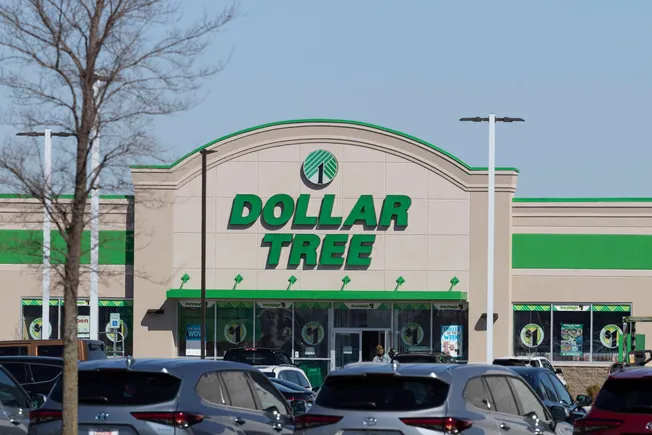
Dollar Tree’s latest quarter is another reminder that affordability is only part of the value equation. Shoppers are also rewarding retailers that make the trip feel faster, simpler and more predictable, a pattern Target store and merchandising teams cannot ignore as budget pressure keeps shaping how guests shop.
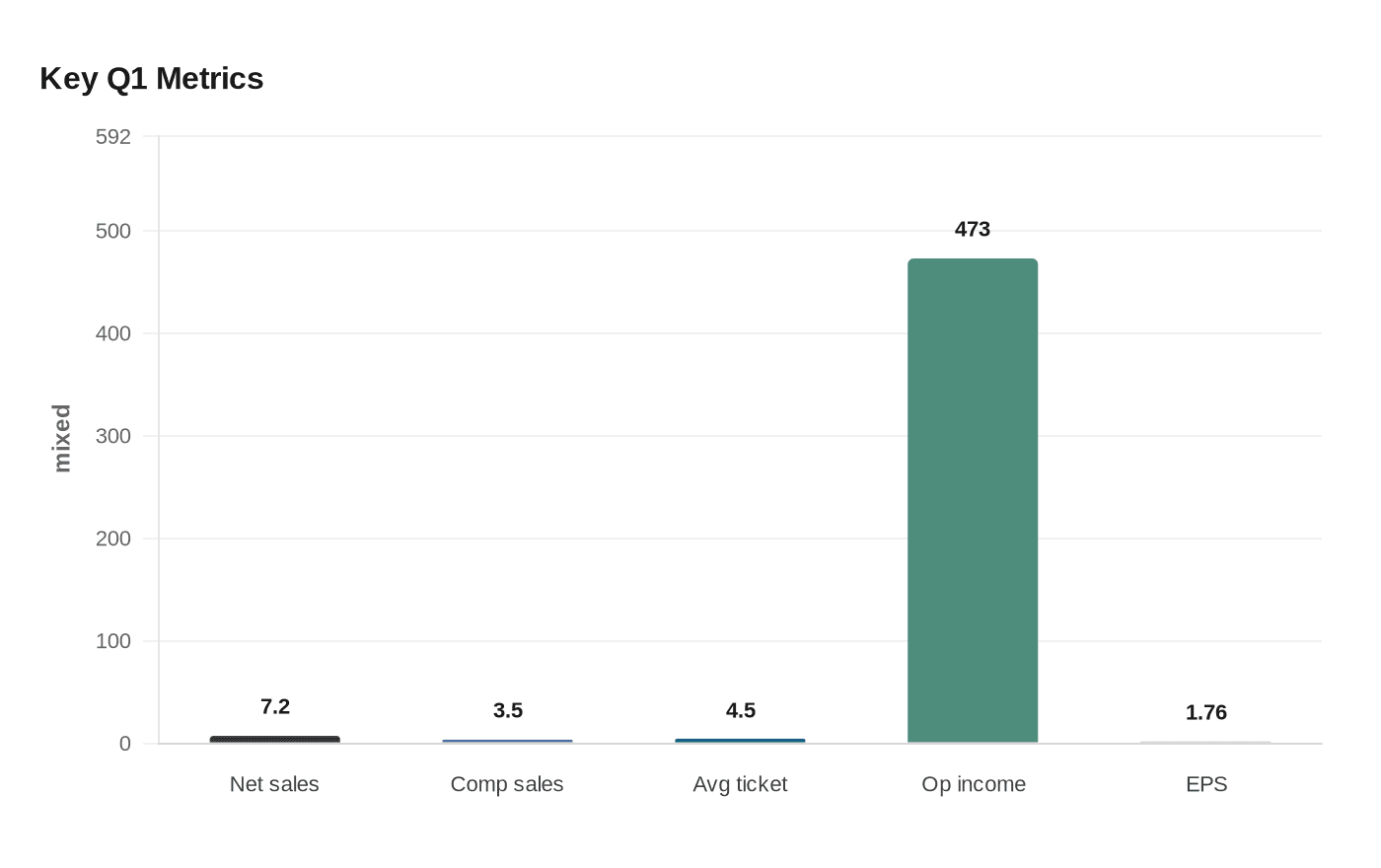
Dollar Tree said first-quarter net sales rose 7.2% year over year to $5.0 billion, while comparable store net sales increased 3.5% and average ticket rose 4.5%. Operating income came in at $473 million, diluted earnings per share were $1.76, and adjusted diluted EPS was $1.74. Gross profit margin improved by 120 basis points, helped by lower freight costs and lower shrink, even as higher tariff costs and more markdowns pushed back against some of that progress.

The company’s assortment still leans heavily into the low end of the basket. Dollar Tree said about 85% of its sales mix remains at $2 or less, with an average unit price a little above $1.50. It opened 113 new Dollar Tree stores in the quarter, ended with 9,382 stores across its U.S. and Canada banners, and said it had converted or added about 630 stores to its multi-price format, bringing that total to roughly 5,900 stores.
For Target leaders on the floor, the takeaway is not that Dollar Tree competes head-to-head with Target in every aisle. It is that guests who are watching gas, groceries and household basics are less forgiving of cluttered pricing, weak in-stock performance or slow checkout. Trip efficiency now matters as much as shelf price: the right pack sizes, better adjacencies, clear signage, fast recovery and dependable basics all shape whether a guest feels a stop was worth the effort.
That pressure helps explain why Target has been pushing its own reset. On March 3, 2026, the company said it would invest an incremental $2 billion this year, including more than $1 billion in additional capital expenditures and $1 billion in additional operating investments, with more payroll, training, technology and store floor-plan changes aimed at making shopping easier and more personalized. In its first quarter, Target reported net sales growth of 6.7%, comparable sales growth of 5.6% and comparable traffic growth of 4.4%. CEO Michael Fiddelke said the company sees much more work ahead and needs to stay disciplined and flexible in an uncertain operating environment.
Dollar Tree also raised its full-year 2026 adjusted EPS outlook to $6.70 to $7.10 from $6.50 to $6.90, returned $595 million to shareholders through share repurchases in the quarter and another $98 million quarter-to-date, and said it will hold its annual shareholder meeting virtually on June 16 at 9:00 a.m. Eastern time. The message behind all of it is clear: value still wins, but value now includes a trip that feels efficient from entrance to checkout.
This article was produced by Prism’s automated news system from verified source data, official records, and press releases, then run through automated quality and moderation checks before publishing. The system is built and supervised by the people who set the standards it runs under. Read our full AI policy.
Know something we missed? Have a correction or additional information?
Submit a Tip